
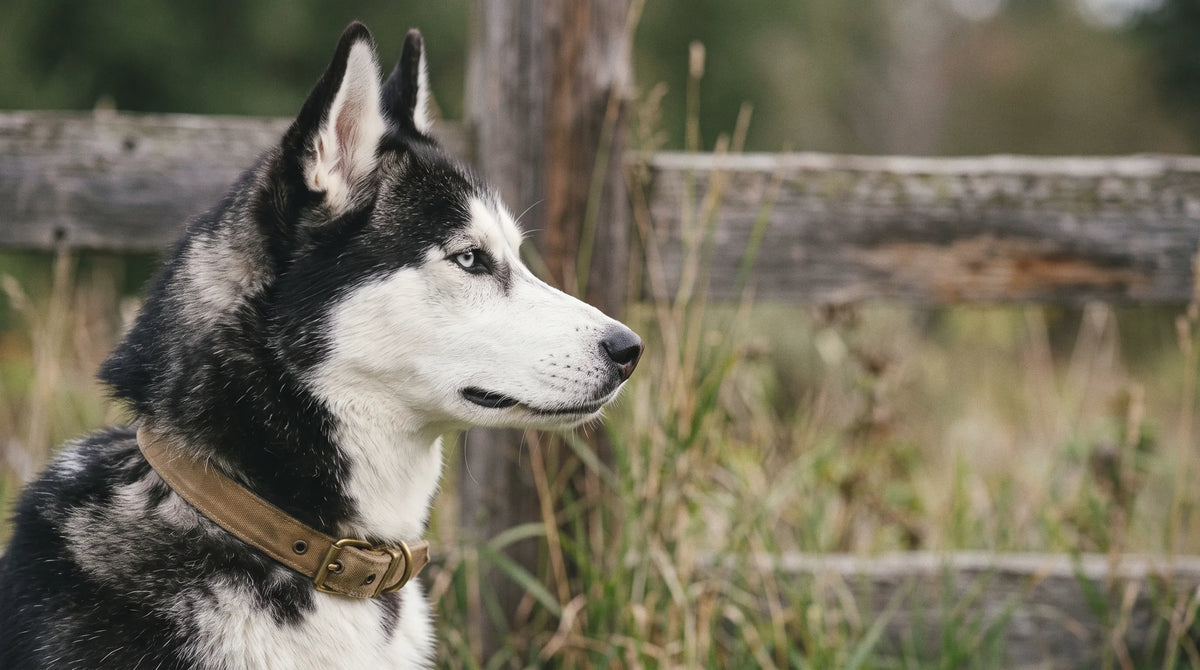
Alaskan Husky
- Medium
Bred for the trail, not the show ring, the Alaskan Husky is a strong-willed, hardworking sled dog. Give this medium-sized athlete real work and steady exercise, and you get a calm, devoted family housemate.
- Height
- 20 to 24
- inches at the shoulder
- Weight
- 40 to 75
- pounds, adult
- Life expectancy
- 10 to 15
- years, median 12.5
- Senior from
- 9.4
- years, about
Senior starts in the last quarter of a breed's expected lifespan, following the 2019 AAHA canine life stage guidelines. Individual dogs vary.
About the breed
- Origin
- United States
The Alaskan Husky is a strong-willed, confident, hardworking dog that was born to run. Bred for performance rather than appearance, these dogs can look quite different from one another, though most are medium-sized (about 20 to 24 inches tall and 40 to 75 pounds) with prick ears. Their typical lifespan is 10 to 15 years.
Used to working in a group, the Alaskan Husky has a strong pack mentality. These dogs are dedicated to their people, love being part of a family, and prefer not to be left alone, which makes them a good fit for active households.
The breed traces back to native dogs of the far north, including the Inuit and Interior Village dogs. Breeders crossed those foundation dogs with purebreds such as the Alaskan Malamute, Siberian Husky, Pointer, and Saluki to build animals made for speed and endurance.
Humans have used dogs to pull sleds for more than 15,000 years, and sled dogs had their North American heyday during the gold rush of the late 1800s and early 1900s, when gold seekers relied on them to move people and supplies across frozen terrain. Today the Alaskan Husky is the preferred dog of sprint and distance mushers in the north.
Care
The routines that matter most for this breed. Open one at a time.
Nutrition
Alaskan Huskies do well on a high-quality diet formulated for their life stage. Working dogs often need their diets adjusted by season, with more protein during the winter months when they are pulling sleds and less in summer when they are less active.
Keep an eye on food intake so your dog stays at a healthy weight. Measure portions to avoid overfeeding, and limit treats to no more than 10% of daily calories.
Grooming
Brushing an Alaskan Husky's coat once or twice a week keeps it clean and healthy. During seasonal shedding, more frequent brushing with a pin brush helps remove the old coat.
Regular nail trims should also be part of the routine. Nails that grow too long can cause pain and make running or walking difficult.
Good dental hygiene supports long-term health. Dental disease is one of the most common conditions in adult dogs, so alongside professional cleanings, set up an at-home routine with regular teeth brushing and veterinarian-recommended dental chews.
Exercise
Alaskan Huskies need a lot of physical exercise. Bred to pull sleds, they stay happiest when they have a job to do, and they are at their best showing off their natural skills during winter sports such as sledding, skijoring (pulling a skier), and carting.
When those activities are not an option, long walks and runs will do the job. Without enough exercise, they may turn to unwanted behaviors such as chewing or digging, so plan for daily activity.
Basic obedience work gives them much-needed mental exercise too, which helps keep a bored, energetic dog settled at home.
Training
Alaskan Huskies can be very strong-willed. To counter stubborn tendencies, start consistent, firm but gentle training during puppyhood.
Reward-based methods using treats and favorite toys work well for this breed. With enough exercise and steady guidance, these social, pack-minded dogs make calm, devoted housemates that fit well into active families.
Health conditions
3 conditions are documented for the Alaskan Husky.
A predisposition is not a diagnosis. Ask your vet which screenings make sense for your dog's age.
- Alaskan Husky EncephalopathyNervous System & Behavioral
- Day BlindnessEye
- GM1 GangliosidosisNervous System & Behavioral

Longevity & Vitality soft chew
Longevity & Vitality is a daily chew built on five active ingredients. Each chew carries Turkey Tail at 600mg, Curcuvet® curcumin at 75mg, Quercefit® quercetin at 40mg, Fibalance® at 275mg and EpiCor® at 50mg. The daily serving follows your dog's weight, from half a chew to three.
