
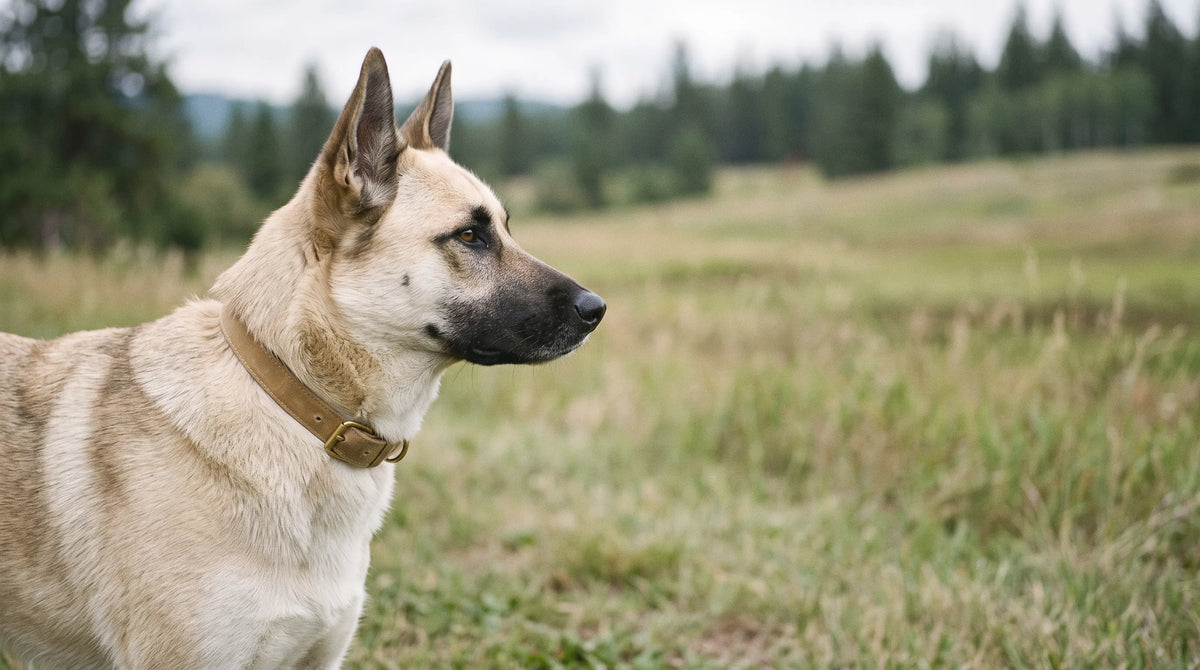
Canaan Dog
- Medium
- Herding Group
- Popularity rank 193
The Canaan Dog is an alert, confident herder from Israel, lean and quick on its feet with upright ears and a watchful gaze. Ancient and clever, it bonds closely with its family while staying reserved with strangers.
- Height
- 19 to 24
- inches at the shoulder
- Weight
- 35 to 55
- pounds, adult
- Life expectancy
- 12 to 15
- years, median 13.5
- Senior from
- 10.1
- years, about
Senior starts in the last quarter of a breed's expected lifespan, following the 2019 AAHA canine life stage guidelines. Individual dogs vary.
About the breed
- Temperament
- Alert, vigilant, confident
- Coat
- Double, Smooth, short
- Origin
- Israel
- Recognized
- 1997
2015: rank 170, 2016: rank 181, 2017: rank 175, 2018: rank 179, 2019: rank 181, 2020: rank 184, 2021: rank 187, 2022: rank 187, 2023: rank 191, 2024: rank 195, 2025: rank 193
The Canaan Dog is a lean, medium-size herding breed standing 19 to 24 inches at the shoulder and weighing 35 to 55 pounds. The straight, harsh coat comes in various colors and patterns, and erect ears with dark almond eyes give the dog an inquisitive, watchful look. Canaans move at a brisk, natural trot and typically live 12 to 15 years.
The breed has ancient roots dating to roughly 2200 to 2000 BCE and is the national dog of Israel. Its ancestors, the Pariah Dogs, worked as livestock guardians and herders, and that history still shapes the breed today.
Canaans are clever, confident, territorial, and reserved with strangers. They form close bonds but can be strong-willed, so they suit experienced owners who use calm, consistent training.
Temperament and needs
Scored 1 to 5 for the breed overall. Individual dogs vary.
- Affectionate with family3 out of 5
- Good with young children3 out of 5
- Good with other dogs3 out of 5
- Openness to strangers3 out of 5
- Playfulness3 out of 5
- Watchdog and protective nature4 out of 5
- Adaptability3 out of 5
- Trainability4 out of 5
- Energy level3 out of 5
- Mental stimulation needs3 out of 5
- Barking level5 out of 5
- Shedding4 out of 5
- Grooming frequency2 out of 5
- Drooling1 out of 5
Care
The routines that matter most for this breed. Open one at a time.
Nutrition
The Canaan Dog does well on a high-quality dog food, whether commercially made or home-prepared under your veterinarian's supervision and approval. Match the diet to the dog's age and any health concerns, and keep clean, fresh water available at all times.
Some Canaans are prone to gaining weight, especially as they age, so watch calorie intake and body condition. Treats are useful for training, but too many add up, so keep them modest. It also helps to learn which human foods are safe for dogs and which are not.
A typical feeding routine looks like this:
- Adults: two meals a day, one in the morning and one in the evening
- Puppies: smaller meals more often, up to three or four times a day
How much to feed depends on weight, body condition, lifestyle, and health, so use the guidance on the food packaging as a starting point and talk to your veterinarian about portions. Dogs on a complete, approved diet get the nutrients they need and do not require extra supplements; only add one if your veterinarian recommends it.
Grooming
Canaans tend to stay clean and need baths less often than many active breeds. When your dog gets especially dirty after a day outside, wash with a dog-friendly shampoo.
The double coat has a harsh, flat outer layer and a softer undercoat. The hair is straight and not prone to matting, which keeps upkeep simple. The coat sheds heavily at least once a year; brushing every few days during that season clears loose hair and keeps the coat healthy. Outside the shedding season, a weekly brushing manages the moderate shedding and keeps the coat in good shape.
Trim the nails regularly if they do not wear down on their own, since overly long nails cause discomfort. Brush the teeth at home and schedule professional cleanings to support good dental health. Ask your vet how and how often to clean your dog's ears, and stay alert for redness, debris, or odor.
Exercise
Canaans need a moderate amount of exercise, about an hour a day, and adapt to various living situations when they get their daily outings. Daily walks keep them content, and dog sports give their energy a good outlet. Always keep this breed on a leash or in a secure, fenced area.
They are athletic and versatile, and do well at obedience, tracking, herding, agility, nose work, carting, and coursing ability tests. Though they are a herding breed, Canaans do not carry the endless drive of some other herders; once their energy is spent, they are happy to nap through a good chunk of the day.
Because they are so intelligent, Canaans may bark a lot or dig up the yard when bored. Keeping the mind busy is the best way to head off unwanted behavior, so provide plenty of mental stimulation through training sessions, playtime, and interactive toys.
Training
Canaan Dogs are sensitive, affectionate, and highly intelligent, and they readily take to training. A strong drive for self-preservation and a well-developed sense of territory make them mistrustful of strange people, strange dogs, and new environments, so early socialization and puppy classes are a must. This work should begin with the breeder and continue with the new owner.
They learn quickly but can also be stubborn and independent. Keep sessions short, upbeat, and not too repetitive, and rely on positive reinforcement with treats and praise. Harsh methods work against the Canaan's sensitive nature.
With patient socialization and slow introductions, Canaans can get along well with children and other pets. Their intelligence and willfulness make them best suited to owners who enjoy training and can set a calm, consistent tone at home and in public.
Health conditions
3 conditions are documented for the Canaan Dog.
A predisposition is not a diagnosis. Ask your vet which screenings make sense for your dog's age.
- Hip DysplasiaBone & Joint
- Patellar LuxationBone & Joint
- Progressive Retinal AtrophyEye


Sources
Thank you. Your report is in, and we will check this page.
Longevity & Vitality soft chew
Longevity & Vitality is a daily chew built on five active ingredients. Each chew carries Turkey Tail at 600mg, Curcuvet® curcumin at 75mg, Quercefit® quercetin at 40mg, Fibalance® at 275mg and EpiCor® at 50mg. The daily serving follows your dog's weight, from half a chew to three.
