

Finnish Lapphund
- Medium
- Herding Group
- Popularity rank 127
The Finnish Lapphund is a medium-sized Nordic herding dog from Finland, built for reindeer work and harsh Arctic weather. Beneath the thick double coat, the breed is friendly, alert, and agile, and stands 16 to 21 inches.
- Height
- 16 to 21
- inches at the shoulder
- Weight
- 33 to 53
- pounds, adult
- Life expectancy
- 12 to 15
- years, median 13.5
- Senior from
- 10.1
- years, about
Senior starts in the last quarter of a breed's expected lifespan, following the 2019 AAHA canine life stage guidelines. Individual dogs vary.
About the breed
- Temperament
- Alert, friendly, agile
- Coat
- Double, medium
- Origin
- Finland
- Recognized
- 2011
2015: rank 169, 2016: rank 173, 2017: rank 173, 2018: rank 161, 2019: rank 167, 2020: rank 165, 2021: rank 168, 2022: rank 167, 2023: rank 135, 2024: rank 129, 2025: rank 127
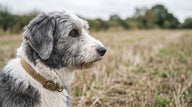
The Finnish Lapphund, or Lappy for short, is a medium-sized herding dog that stands 16 to 21 inches tall and weighs 33 to 53 pounds. The breed has a sweet spitz-like face and a profusely coated tail that curves over the back. Though medium-sized, the ample coat often makes it look larger.
Lappies are quick and muscular for their size, moving rapidly from a trot to a gallop. Finnish Lapphunds are friendly and gentle at home, and somewhat wary of strangers without being shy. A startle reflex developed around reindeer means Finnish Lapphunds may spook easily but usually recover quickly.
The breed comes from the Sami, or Lapp, people of Lapland, a region near the Arctic Circle spanning parts of Sweden, Finland, Norway, and Russia. The Sami bred a thick-coated dog to hunt reindeer, a job that demanded a courageous and swift dog. As the Sami became reindeer herders, their dogs followed, serving as herders, guardians, and companions.
The breed standard was recognized in 2011, and modern Lappies keep the poise, strength, and control of their reindeer-herding predecessors.
Temperament and needs
Scored 1 to 5 for the breed overall. Individual dogs vary.
- Affectionate with family5 out of 5
- Good with young children4 out of 5
- Good with other dogs3 out of 5
- Openness to strangers4 out of 5
- Playfulness3 out of 5
- Watchdog and protective nature3 out of 5
- Adaptability4 out of 5
- Trainability4 out of 5
- Energy level3 out of 5
- Mental stimulation needs3 out of 5
- Barking level5 out of 5
- Shedding4 out of 5
- Grooming frequency2 out of 5
- Drooling2 out of 5
Care
The routines that matter most for this breed. Open one at a time.
Nutrition
A high-quality dog food matched to your Lappy's life stage, whether puppy, adult, or senior, gives them the nutrients they need. Match the food to age, activity level, and any health concerns, and monitor portions and treats to avoid weight gain as they age.
Treats are a useful training aid, but should never make up more than 10% of daily calories, since too many can lead to obesity. Give table scraps sparingly, if at all, and avoid cooked bones.
Most adult Lappies eat two meals a day, one in the morning and one in the evening. Puppies have a higher metabolism, so a midday feeding for three meals total usually helps. Your vet can set the right schedule and feeding amount for your dog's age.
The label on your dog's food gives a general guide to portions based on weight, but your veterinarian can tailor advice to your dog's body condition, lifestyle, and health needs. A Lappy eating a complete and balanced food shouldn't need anything extra. If your vet recommends a supplement to address a specific need, talk with them before adding anything new to the diet.
Grooming
The Finnish Lapphund has a double coat, with a smooth, water-repellent outer layer over a soft, dense undercoat. Despite its thickness, it needs fairly little care. Weekly brushing, daily during shedding season, removes dirt and loose hair and keeps the coat in good shape. Puppies may need more frequent combing until the adult coat comes in and the texture changes.
Shedding peaks once or twice a year, usually in spring and fall. Pay special attention to spots prone to matting, such as behind the ears and under the legs. Never shave a Lappy, since the coat helps keep them cool in warm weather and warm in cold.
Finnish Lapphunds have little body odor, so monthly bathing is generally sufficient. Too many baths can strip the skin of healthy oils, and a gentle oatmeal shampoo hydrates without stripping them.
Trim the nails regularly, as overly long nails can hurt and make walking and running harder. Brush the teeth at home and schedule professional dental cleanings to support long-term health. Ask your vet which ear-cleaning products to use, and call them if you notice redness, odor, pain, itchiness, or head shaking. Because the breed can be affected by eye conditions, contact your veterinarian if you see changes such as discharge, redness, or cloudiness.
Exercise
Finnish Lapphunds are calm dogs with moderate exercise needs, about 60 to 90 minutes a day. A long, brisk daily walk usually keeps them healthy and content, and a half-hour play session with you and a ball, or with another dog, also does the job. Lappies tend not to exercise themselves, so they rely on you to get them moving.
As a herding breed, many Lappies enjoy herding trials, and they also do well at agility, obedience, rally, and tracking. These activities give the mental work this intelligent breed appreciates.
Their herding instinct means they happily chase whatever crosses their path, so all outdoor exercise should happen on a leash or within a securely fenced area, away from squirrels, rabbits, and cats. Lappies are also vocal herders, and removing them from work doesn't remove the trait. Barking is how they communicate on the job, so expect a highly communicative dog, which can make apartment living a poor fit and suits a detached home without close neighbors.
Training
Early socialization and puppy training classes are recommended. Gently expose your Lappy puppy to a wide variety of people, places, animals, and situations during their first 16 weeks, roughly 7 weeks to 4 months, to help them grow into a well-adjusted, well-mannered companion. Ask your veterinarian for age-appropriate activities.
Like other herding breeds, the Finnish Lapphund is intelligent and quick to learn, but also independent and sometimes strong-willed. That stubborn streak can make training harder, so early, consistent training helps curb the breed's less desirable habits. Lappies respond well to positive, rewards-based training, which doubles as mental and physical exercise.
Finnish Lapphunds can become bored and destructive when left alone for long periods, so they suit households that can provide regular company.
Sweet-tempered and affectionate, Lappies do well with family members of all ages when socialized young, though children should learn how to interact with dogs safely, and you should always supervise those interactions. They typically get along with other dogs, though a mature Lappy adopted into a home that already has pets may need extra help adjusting.
Health conditions
6 conditions are documented for the Finnish Lapphund.
A predisposition is not a diagnosis. Ask your vet which screenings make sense for your dog's age.
- Canine Multifocal Retinopathy, cmr3Eye
- Elbow DysplasiaBone & Joint
- Hip DysplasiaBone & Joint
- Pompe's DiseaseMuscle
- Progressive Retinal AtrophyEye
Show all 6 conditions Show fewer


Sources
Thank you. Your report is in, and we will check this page.
Longevity & Vitality soft chew
Longevity & Vitality is a daily chew built on five active ingredients. Each chew carries Turkey Tail at 600mg, Curcuvet® curcumin at 75mg, Quercefit® quercetin at 40mg, Fibalance® at 275mg and EpiCor® at 50mg. The daily serving follows your dog's weight, from half a chew to three.
