

Finnish Spitz
- Medium
- Non-Sporting Group
- Popularity rank 194
The Finnish Spitz is a medium-sized Nordic breed with a foxy face, prick ears, and a curling plumed tail. Good-natured, lively, and vocal, this hunting dog needs daily activity and regular household interaction.
- Height
- 15.5 to 20
- inches at the shoulder
- Weight
- 20 to 33
- pounds, adult
- Life expectancy
- 13 to 15
- years, median 14
- Senior from
- 10.5
- years, about
Senior starts in the last quarter of a breed's expected lifespan, following the 2019 AAHA canine life stage guidelines. Individual dogs vary.
About the breed
- Temperament
- Good-natured, friendly, lively
- Coat
- Double, medium
- Origin
- Finland
- Recognized
- 1991
2015: rank 178, 2016: rank 179, 2017: rank 177, 2018: rank 184, 2019: rank 185, 2020: rank 187, 2021: rank 191, 2022: rank 188, 2023: rank 194, 2024: rank 194, 2025: rank 194
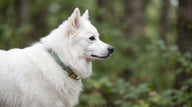
The Finnish Spitz is a balanced, squarely built medium breed that stands 15.5 to 20 inches at the shoulder and weighs 20 to 33 pounds. A foxy face, prick ears, a lively expression, and a curving plumed tail that sweeps over the back make them easy to recognize. Their dense, golden-red double coat is never one flat shade, which gives the breed its signature glow.
Finkies are good-natured, friendly, and lively, with a bold, brisk gait. They are intelligent, sensitive, and alert watchdogs that remain wary but not shy with strangers. This is a vocal breed: in Finland, owners hold contests to crown a King Barker, and true fans are more delighted than annoyed by the yodeling.
Native to Finland, where they are called Suomenpystykorva, the breed arrived roughly 3,000 years ago and worked as all-purpose hunters before specializing in game birds. They reached the United States in the 1960s and belong to the Non-Sporting Group. Like other spitz breeds, they can be strong-willed and independent.
Temperament and needs
Scored 1 to 5 for the breed overall. Individual dogs vary.
- Affectionate with family5 out of 5
- Good with young children5 out of 5
- Good with other dogs4 out of 5
- Openness to strangers3 out of 5
- Playfulness3 out of 5
- Watchdog and protective nature3 out of 5
- Adaptability4 out of 5
- Trainability3 out of 5
- Energy level5 out of 5
- Mental stimulation needs4 out of 5
- Barking level5 out of 5
- Shedding3 out of 5
- Grooming frequency2 out of 5
- Drooling2 out of 5
Care
The routines that matter most for this breed. Open one at a time.
Nutrition
The Finnish Spitz has an efficient metabolism, so even though they are highly active, overfeeding can lead to weight gain fairly quickly. Choose a high-quality dog food matched to their life stage (puppy, adult, or senior), and look for formulas suited to active breeds. Keeping treats to no more than 10 percent of daily calories helps maintain a healthy weight. Give table scraps sparingly if at all, and avoid cooked bones and high-fat foods.
Feed adult Finnish Spitz dogs twice a day, morning and evening. Puppies should eat three to four times a day to reduce the risk of hypoglycemia (low blood glucose). Follow the feeding guidelines on the packaging, which suggest amounts based on weight, and ask your veterinarian for advice tailored to your dog's age, health, lifestyle, and weight.
Once your puppy reaches one year old, transition slowly to a high-quality, small-breed adult formula. Adult food has fewer calories than puppy food, which helps prevent unwanted weight gain. A healthy Finnish Spitz on a complete and balanced diet usually does not need supplements, but your vet may suggest dog-safe options for your individual dog. Always talk to your vet before adding any supplement.
Grooming
Some owners call the Finnish Spitz a wash-and-wear breed. The double coat is a short, soft, dense undercoat covered by long, straight, harshly textured guard hairs. Most of the time it needs little more than a weekly brushing, and the breed standard calls for the coat to stay natural, with no trimming except under the pads of the feet or around the eyes.
The Finnish Spitz sheds seasonally twice a year, in spring and fall. During those weeks, daily brushing (or a bath followed by a cool blow-dry and a good comb and slicker brush) helps pull out the loose undercoat. Skip hot blow-drying, which dries out the outer coat. Shedding tends to be heavier in an intact female, while a spayed female's coat can grow softer and denser and need more grooming.
Bathe your Finkie with a dog-friendly shampoo and conditioner a few times a year, or whenever they get particularly dirty. Clean the ears after swimming or a bath and make sure the canals are dry, and check the eyes regularly, talking to your vet about any discharge, redness, odor, or other changes. For oral hygiene, brush the teeth daily with a dog-safe toothpaste (never human toothpaste, which can be toxic to dogs) and ask your vet about professional dental cleanings.
Exercise
Finnish Spitz were bred to hunt all day in dense woods, and they kept the speed and stamina to match. They need a good amount of daily exercise, such as long leashed walks or runs, to stay satisfied. A secure, solidly fenced yard is a must, because a Finn without one can run for hours.
Their hunting background also means a strong prey drive: they will chase rabbits, squirrels, cats, and other animals, so keep your dog leashed or fenced so they cannot take off after something. Sports that show off their speed and stamina suit them well, including obedience, flyball, rally, and lure coursing, and these outlets give their active minds the work they crave.
Expect a talkative dog. The breed was historically trained to bark at small and large game, so they readily bark to alert the family to anything new or approaching. If you live in an apartment or near neighbors, plan to teach your Finkie when barking is and is not wanted; positive, consistent training can help quiet them.
Training
The Finnish Spitz is intelligent, which can make training a challenge. Keep sessions short, upbeat, and generous with praise, treats, and favorite toys, and they will let you know when they have had enough. Because they love spending time with their people, training is also a fun way to bond. Early socialization and puppy classes are recommended for a new pup.
Described as brave but cautious, Finns can be aloof and reserved with strangers, so early, ongoing socialization matters. Though they began as hunting dogs, they make good family companions today, getting along with children and other pets when socialized from puppyhood. Patience and a positive, reward-based approach bring out their best.
Health conditions
4 conditions are documented for the Finnish Spitz.
A predisposition is not a diagnosis. Ask your vet which screenings make sense for your dog's age.
- Hip DysplasiaBone & Joint
- Idiopathic epilepsy, including epilepsy of unknown originNervous System & Behavioral
- Immune-Mediated Hemolytic AnemiaBlood
- Patellar LuxationBone & Joint
Sources
Thank you. Your report is in, and we will check this page.
Longevity & Vitality soft chew
Longevity & Vitality is a daily chew built on five active ingredients. Each chew carries Turkey Tail at 600mg, Curcuvet® curcumin at 75mg, Quercefit® quercetin at 40mg, Fibalance® at 275mg and EpiCor® at 50mg. The daily serving follows your dog's weight, from half a chew to three.
