

Glen Of Imaal Terrier
- Small
- Terrier Group
- Popularity rank 165
Low-slung and sturdy, the Glen of Imaal Terrier is an Irish farm dog with a big personality in a small frame. Spirited yet gentle, this rare terrier is calmer and more easygoing than most of its kind.
- Height
- 12.5 to 14
- inches at the shoulder
- Weight
- 32 to 40
- pounds, adult
- Life expectancy
- 10 to 15
- years, median 12.5
- Senior from
- 9.4
- years, about
Senior starts in the last quarter of a breed's expected lifespan, following the 2019 AAHA canine life stage guidelines. Individual dogs vary.
About the breed
- Temperament
- Spirited, gentle, bold
- Coat
- Wiry, medium
- Origin
- Ireland
- Recognized
- 2004
2015: rank 168, 2016: rank 180, 2017: rank 158, 2018: rank 174, 2019: rank 170, 2020: rank 169, 2021: rank 175, 2022: rank 169, 2023: rank 170, 2024: rank 176, 2025: rank 165
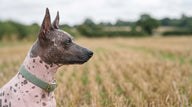
The Glen of Imaal Terrier is a scruffy, sturdy, low-slung terrier that stands 12.5 to 14 inches at the shoulder and weighs 32 to 40 pounds. Nothing about a Glen is fussed-over: the wiry coat, broad head, and slightly bowed front legs point to a working farm dog. The body is unusual, longer than it is tall, and the breed standard says these dogs should give the impression of great substance for their size.
The breed originated in Ireland as a hearty worker and companion, hunting vermin and driving out larger animals like badgers and foxes. It is less well-known than some other Irish terriers, such as the Soft Coated Wheaten or the Kerry Blue. The Glen was recognized as a breed in 2004.
Glens are spirited, gentle, and bold, along with inquisitive, clever, and affectionate. Their energy is moderate: they are ready for a hike or a walk, but they also have an off switch and settle on the couch. Compared with other terriers, the Glen has a calmer disposition, sometimes described as stoic.
Temperament and needs
Scored 1 to 5 for the breed overall. Individual dogs vary.
- Affectionate with family5 out of 5
- Good with young children3 out of 5
- Good with other dogs3 out of 5
- Openness to strangers3 out of 5
- Playfulness3 out of 5
- Watchdog and protective nature3 out of 5
- Adaptability4 out of 5
- Trainability3 out of 5
- Energy level3 out of 5
- Mental stimulation needs3 out of 5
- Barking level2 out of 5
- Shedding2 out of 5
- Grooming frequency3 out of 5
- Drooling2 out of 5
Care
The routines that matter most for this breed. Open one at a time.
Nutrition
Feed your Glen a high-quality dog food matched to its age and activity level. To find the right amount, use the feeding chart on the packaging, which lists the total daily portion by weight. Keep clean, fresh water available at all times, and check with your vet if you have questions about your dog's weight or diet.
Most adult dogs eat twice a day, morning and evening. Puppies usually do better on more frequent meals to help keep blood sugar steady, so work with your vet to set a schedule that fits your dog. If your Glen eats too quickly, a slow feeder or puzzle feeder slows it down and adds a little mental work at mealtimes.
Treats help with training, but too many can lead to weight gain, so monitor how much you feed and reduce portions if your dog gains weight. A healthy Glen on a complete diet is unlikely to need supplements. If you want to address a health concern with one, ask your vet first, and never add a supplement without speaking to them.
Grooming
The Glen has a weather-resistant double coat: a rough, coarse outer coat over a soft undercoat. The harsh outer coat protects the skin from dirt and the elements, so this breed does not need frequent baths. Bathe only when your dog gets very dirty or smelly.
Brush the coat moderately each week to keep the furnishings (the softer hair around the ears, neck, legs, and belly) from matting. An undercoat rake or comb captures dead hair from the soft undercoat and prevents mats, which are painful and hard to remove. Start a grooming routine early so your dog accepts it readily. Because Glens are a dwarf breed, a small but sturdy grooming table is a worthwhile investment.
Like most double-coated terriers, Glens should be hand-stripped two or three times a year, which removes the dead outer coat by hand over time. Do not trim the coat with scissors or shave it, since that can damage it. Done consistently, brushing and stripping keep shedding very low.
Trim the nails regularly and check the ears weekly for debris or wax. Ear infections are not uncommon, especially when the ear is not dried after a bath or swim, so watch for odor, redness, discharge, or pain and contact your vet if you notice changes. When grooming, also examine the eyes for redness, discharge, cloudiness, or swelling, and call your vet if you see these signs or any change in vision.
Exercise
A little more laid-back than the typical terrier, the Glen needs a fair amount of moderate exercise to stay healthy and happy. Take a walk together or play in the backyard, then allow your Glen time to rest. They also enjoy dog sports such as earthdog trials, agility, tracking, and obedience.
As a dwarf breed with slightly curved front legs, Glens should not be rushed into strenuous activity. Protect a growing puppy's front legs and joints: keep pups from jumping off couches or going down steep stairs, since growth plates need time to close before any jumping or climbing. Going down stairs is harder on the front legs than going up. Some breeders keep pups away from stairs and jumping until at least 9 months, when the growth plates close, sometime between 9 and 12 months.
Because terriers are curious and carry a prey drive, keep your Glen on a leash or in a fenced yard so it does not chase small critters like squirrels. Unlike many terriers, the Glen is typically a quiet companion: it was bred to work silently, though it will still bark on occasion.
Training
Glens are versatile, trainable, and very smart, and they learn quickly. Like most terriers, they have plenty of character: brave, sometimes stubborn, and keenly interested in small furry critters. They may get bored with repetition, so keep sessions short. Five minutes two or three times a day beats one 30-minute session. Early socialization and puppy classes help a Glen grow into a well-mannered, well-adjusted adult.
Positive reinforcement is the approach to use. Figure out what motivates your Glen and engage its mind, since these dogs are smart problem-solvers. Remember the breed's history: Glens worked independently to dispatch badgers, rather than alongside a handler like a herding breed, so do not be surprised if a first request meets resistance. Consistency, repetition, and a high-value reward matter in every session.
Glens love people, though they usually do not get chummy with other dogs. Their playful energy can make them good for families with children, but interactions must be supervised, since a hefty Glen can bowl over a young child in its enthusiasm. For homes with other pets, early socialization is key because of the prey drive: small rodents, cats, or similar pets can be a challenge.
Health conditions
2 conditions are documented for the Glen Of Imaal Terrier.
A predisposition is not a diagnosis. Ask your vet which screenings make sense for your dog's age.
- Hip and Elbow DysplasiaBone & Joint
- Progressive Retinal AtrophyEye


Sources
- American Kennel Club: Glen of Imaal Terrier
- PetMD: Glen of Imaal Terrier
- Wisdom Panel: Glen of Imaal Terrier
Thank you. Your report is in, and we will check this page.
Longevity & Vitality soft chew
Longevity & Vitality is a daily chew built on five active ingredients. Each chew carries Turkey Tail at 600mg, Curcuvet® curcumin at 75mg, Quercefit® quercetin at 40mg, Fibalance® at 275mg and EpiCor® at 50mg. The daily serving follows your dog's weight, from half a chew to three.
