
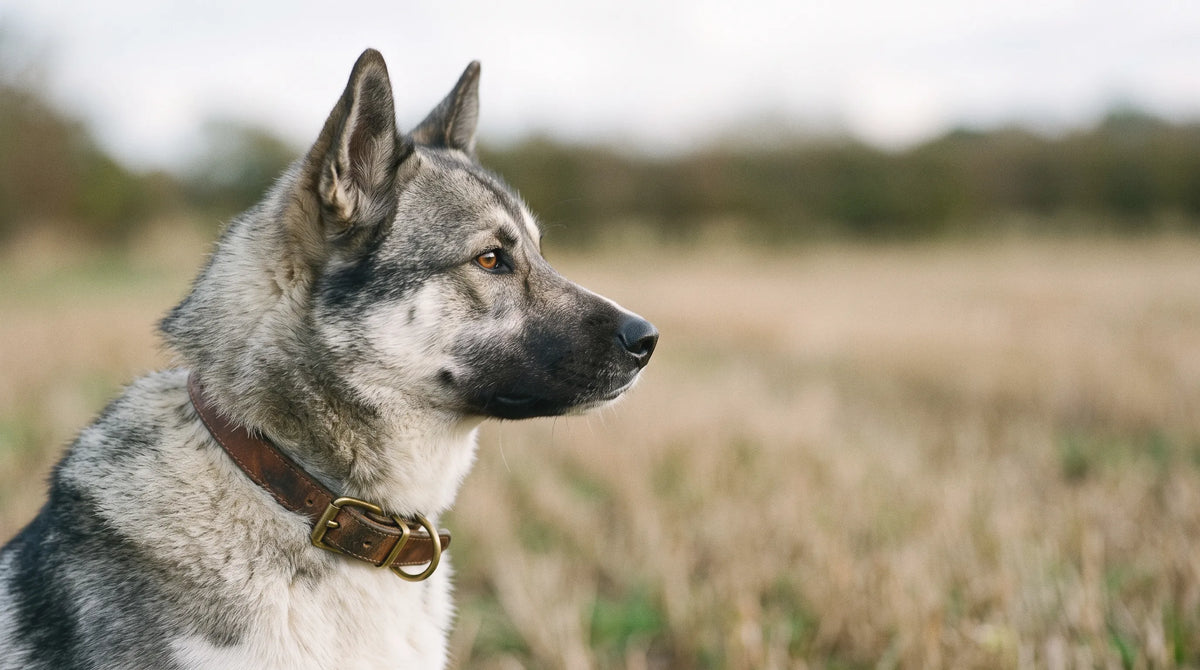
Greenland Dog
- Large
- FCI Group 5 (Spitz and primitive types)
One of the oldest breeds in the world, the Greenland Dog is a hardy, spitz-type sled dog built for endurance in arctic conditions. Stoic and adventure-ready, it bonds with its whole pack and suits an active, outdoorsy family.
- Height
- 20 to 27
- inches at the shoulder
- Weight
- 60 to 105
- pounds, adult
- Life expectancy
- 10 to 14
- years, median 12
- Senior from
- 9
- years, about
Senior starts in the last quarter of a breed's expected lifespan, following the 2019 AAHA canine life stage guidelines. Individual dogs vary.
About the breed
- Origin
- Greenland
- Recognized
- 1967
The Greenland Dog is a muscular, spitz-type breed built for endurance and hard work in arctic conditions. It has a short, rectangular body, strong legs, and big rounded feet with strong nails and pads. This large, energetic dog suits outdoorsy families who love adventure and a hiking companion happy to carry the gear.
Stoic and hardy, Greenland Dogs get along with most people but don't attach to any one person. They form close bonds with the other dogs in their pack. They also don't bark: instead they howl, often serenading their humans and neighbors, and they make a screaming sound that is usually joyful, even if it doesn't seem that way to people new to the breed.
It is one of the oldest breeds, likely descended from dogs the Thule people used for transportation in Siberia more than 1,000 years ago. Genetic testing shows the breed shares similarities with the now-extinct Taimyr wolf. Inuit people brought the dogs to Greenland 850 years ago, where they stayed isolated from other breeds, and work is underway today to preserve the breed's purity and cultural history.
Care
The routines that matter most for this breed. Open one at a time.
Nutrition
Greenland Dogs thrive on a high-quality diet formulated for their life stage. Working dogs need their diets adjusted by season: more protein during the winter months when they're pulling sleds, and less in summer when they're less active.
To help your dog hold a healthy weight, measure portions to avoid overfeeding and watch how many treats you give. As a guideline, treats should make up no more than 10 percent of a dog's daily calories.
Grooming
For most of the year, weekly brushing keeps the Greenland's coat in good shape. When they blow their coat, once a year, more frequent brushing helps remove the loose fur and spare your furniture.
Check the ears regularly and clean them as needed to remove wax and debris, which helps reduce the risk of ear infections. Keep nail trims in the routine too, since overly long nails can cause pain and make running or walking harder.
Good dental hygiene supports your dog's overall health. Along with professional cleanings, set up an at-home routine with regular teeth brushing and veterinarian-recommended dental chews.
Exercise
Greenland Dogs have a strong need to run and pull. Once mature, they need plenty of cycling outings and brisk walks, with cart or sled work preferred. Woodland and mountain walks can also give them the chance to pull or carry gear.
Following a scent trail provides another meaningful task. After puppyhood, Greenland Dogs normally cannot exercise off leash because they may pursue cats, smaller animals, ducks, or chickens as prey.
Training
The Greenland is typically obedient and eager to please. Even so, it helps to establish yourself as the pack leader and set clear boundaries, using a firm but gentle approach with plenty of positive reinforcement.
Greenland Dogs can be territorial around unfamiliar dogs. Socializing them young curbs this and helps them grow into well-mannered adults that handle new people and dogs with ease.
Health conditions
2 conditions are documented for the Greenland Dog.
A predisposition is not a diagnosis. Ask your vet which screenings make sense for your dog's age.
- Bloat (Gastric Dilatation-Volvulus)Digestive
- Hip DysplasiaBone & Joint
Longevity & Vitality soft chew
Longevity & Vitality is a daily chew built on five active ingredients. Each chew carries Turkey Tail at 600mg, Curcuvet® curcumin at 75mg, Quercefit® quercetin at 40mg, Fibalance® at 275mg and EpiCor® at 50mg. The daily serving follows your dog's weight, from half a chew to three.
