

Icelandic Sheepdog
- Medium
- Herding Group
- Popularity rank 138
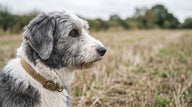
The Icelandic Sheepdog is a foxy-faced herding spitz from Iceland, with pointed ears and a bushy, curling tail. This medium, eager-to-please dog loves the outdoors and thrives in an active, busy family.
- Height
- 16.5 to 18
- inches at the shoulder
- Weight
- 25 to 30
- pounds, adult
- Life expectancy
- 12 to 14
- years, median 13
- Senior from
- 9.8
- years, about
Senior starts in the last quarter of a breed's expected lifespan, following the 2019 AAHA canine life stage guidelines. Individual dogs vary.
About the breed
- Temperament
- Friendly, playful, inquisitive
- Coat
- Double, medium
- Origin
- Iceland
- Recognized
- 2010
2015: rank 140, 2016: rank 153, 2017: rank 144, 2018: rank 155, 2019: rank 134, 2020: rank 154, 2021: rank 138, 2022: rank 132, 2023: rank 146, 2024: rank 143, 2025: rank 138
The Icelandic Sheepdog is a herding breed from Iceland, recognized in 2010. It belongs to the spitz family, the roughly 50 northern breeds known for a dense coat, a foxy face, pointed ears, and a bushy, curling tail.
This is a medium dog, standing 16.5 to 18 inches at the shoulder and weighing 25 to 30 pounds. The double coat comes in several main colors, always with white markings.
A healthy Icelandic Sheepdog typically lives 12 to 14 years. Bred to work livestock, it pairs that herding stamina with the upbeat, outdoor-loving nature of the northern spitz breeds.
Temperament and needs
Scored 1 to 5 for the breed overall. Individual dogs vary.
- Affectionate with family5 out of 5
- Good with young children5 out of 5
- Good with other dogs4 out of 5
- Openness to strangers3 out of 5
- Playfulness3 out of 5
- Watchdog and protective nature4 out of 5
- Adaptability4 out of 5
- Trainability5 out of 5
- Energy level4 out of 5
- Mental stimulation needs5 out of 5
- Barking level4 out of 5
- Shedding3 out of 5
- Grooming frequency2 out of 5
- Drooling2 out of 5
Care
The routines that matter most for this breed. Open one at a time.
Nutrition
Feed a complete diet matched to your dog's life stage and activity level. Puppies need a puppy-formulated food, adults a food made for medium-sized breeds, and seniors a senior-specific formula that meets their changing needs. Keep clean, fresh water available at all times.
There is no single feeding amount that fits every dog. The food packaging gives guidance based on your dog's ideal weight, and your veterinarian can fine-tune it for your dog's health, lifestyle, and age. A general schedule looks like this:
- Adults: twice daily
- Puppies: three times daily, which helps reduce the risk of low blood sugar (hypoglycemia)
- Treats: no more than 10% of daily calories
A healthy Icelandic Sheepdog on a complete, life-stage-appropriate food gets the nutrients it needs. Some dogs, such as those with joint concerns, may benefit from a joint supplement or an omega-3 supplement. Talk with your veterinarian before adding anything, and check in with them if you have questions about your dog's weight or diet. Some human foods are safe for dogs and some are not, so it helps to learn the difference.
Grooming
The Icelandic Sheepdog has a thick double coat, with a longer outer coat over a dense undercoat. The breed sheds a fair amount year-round and more heavily during the two shedding seasons each year. Brush at least once a week, and daily during the spring and fall shed, using a slicker brush or metal comb to remove loose hair, lift dirt, and work out tangles before they mat. With consistent brushing at home, a professional groomer is not needed.
Bathe every month or two. The breed does not need special skin care, but contact your veterinarian if you notice changes in the skin or if your dog seems itchier than usual. Because these dogs love time outdoors, keep them on flea and tick preventative.
The upright ears get more airflow than the floppy ears of breeds like the Basset Hound, but they still need attention. Clean them with a routine ear cleaner about once a month and after baths to keep them clear of wax and debris.
Trim the nails regularly, since overly long nails can be painful. Make dental care part of the routine too: brush the teeth at home and schedule professional cleanings, starting young to support good oral hygiene for life.
Exercise
Icelandic Sheepdogs are energetic dogs that love the outdoors and make good companions on long walks and hikes. Moderate daily exercise keeps them healthy and content, whether through walks, play sessions, or a few miles alongside a runner or hiker. Herding is fast-paced and demands endurance, and this breed is built for it, so without livestock to work they need plenty of activity to burn off their energy.
They are smart, agile, and eager to please, which makes them naturals at dog sports such as obedience, herding, tracking, agility, and rally. Giving them a job to do keeps their busy minds occupied.
This breed does well with active, outdoorsy households. A farm or a home with a fenced yard suits them, but they are small enough for an apartment or condo as long as they get enough time outside. The herding instinct still shows up today: these dogs chase cars and wildlife, so keep yours in a fenced area or on a leash whenever it is outside. They also bark, a trait that served them well when working livestock.
Training
The Icelandic Sheepdog temperament is affectionate, curious, and friendly. These dogs are not known to be fearful or anxious, and they tend to greet strangers as old friends. They are typically good with children and with other pets, including dogs and cats, when introduced properly. They love being the center of the family and are unhappy if left alone for long periods.
Lively, intelligent, and eager to please, this breed is generally easy to train. These dogs learn basic commands and new tricks quickly. They do not respond well to harsh corrections, so focus on positive, rewards-based training and keep sessions engaging.
Start early. Puppy training classes and early socialization help an Icelandic Sheepdog grow into a confident, well-mannered adult. Leash training matters for this breed. Ask your veterinarian how to socialize your puppy safely, getting it used to new people, animals, and situations along the way.
Health conditions
5 conditions are documented for the Icelandic Sheepdog.
A predisposition is not a diagnosis. Ask your vet which screenings make sense for your dog's age.
- CataractsEye
- Elbow DysplasiaBone & Joint
- Hip DysplasiaBone & Joint
- Patellar LuxationBone & Joint
- Retinal DysplasiaEye


Sources
Thank you. Your report is in, and we will check this page.
Longevity & Vitality soft chew
Longevity & Vitality is a daily chew built on five active ingredients. Each chew carries Turkey Tail at 600mg, Curcuvet® curcumin at 75mg, Quercefit® quercetin at 40mg, Fibalance® at 275mg and EpiCor® at 50mg. The daily serving follows your dog's weight, from half a chew to three.
