

Kerry Blue Terrier
- Medium
- Terrier Group
- Popularity rank 155
The Kerry Blue Terrier is a medium-sized Irish terrier known first for its soft, blue-gray coat. Alert, smart, and people-oriented, this farm-bred worker loves close family time and a daily job to do.
- Height
- 17.5 to 19.5
- inches at the shoulder
- Weight
- 33 to 40
- pounds, adult
- Life expectancy
- 12 to 15
- years, median 13.5
- Senior from
- 10.1
- years, about
Senior starts in the last quarter of a breed's expected lifespan, following the 2019 AAHA canine life stage guidelines. Individual dogs vary.
About the breed
- Temperament
- Alert, smart, people-oriented
- Coat
- Wavy, medium
- Origin
- Ireland
- Recognized
- 1922
2015: rank 124, 2016: rank 127, 2017: rank 129, 2018: rank 129, 2019: rank 135, 2020: rank 133, 2021: rank 134, 2022: rank 146, 2023: rank 160, 2024: rank 135, 2025: rank 155
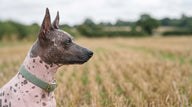
The Kerry Blue Terrier is a medium-sized member of the Terrier Group, and the coat is what people notice first. The shades run from deep slate to a light blue-gray, with a texture soft enough to be as pleasing to the touch as to the eye. That dense coat covers a muscular, well-developed body.
A Kerry stands 17.5 to 19.5 inches at the shoulder and weighs 33 to 40 pounds. A sporty beard and dark, keen eyes mark the long, noble terrier head.
This is an Irish breed, recognized in 1922, that worked farms as a ratter, retriever, and herder. Those working instincts still show today in a dog that is alert, smart, and people-oriented. Most Kerries want to be with their people, doing whatever is happening at the moment, and they typically live 12 to 15 years.
Temperament and needs
Scored 1 to 5 for the breed overall. Individual dogs vary.
- Affectionate with family5 out of 5
- Good with young children4 out of 5
- Good with other dogs2 out of 5
- Openness to strangers3 out of 5
- Playfulness3 out of 5
- Watchdog and protective nature5 out of 5
- Adaptability3 out of 5
- Trainability3 out of 5
- Energy level4 out of 5
- Mental stimulation needs4 out of 5
- Barking level4 out of 5
- Shedding1 out of 5
- Grooming frequency3 out of 5
- Drooling2 out of 5
Care
The routines that matter most for this breed. Open one at a time.
Nutrition
A Kerry Blue Terrier does well on a high-quality dog food, whether commercially made or home-prepared under your veterinarian's supervision and approval. Match the diet to the dog's life stage (puppy, adult, or senior), and choose a complete, balanced food that meets recognized nutritional standards so the dog gets the right balance of proteins, fats, and carbohydrates to stay lean.
Some Kerries gain weight easily. Watch the calorie count and body condition, cut portions if your dog puts on weight, and keep treats in check since too many can lead to obesity. The right amount depends on your dog's size, metabolism, neuter status, health, and activity level. The feeding guide on the package is a starting point, and your veterinarian can calculate specific caloric needs.
A typical feeding routine looks like this:
- Adults: two measured feedings per day
- Puppies: three to four small meals on a regular schedule to keep blood sugar stable, with breed-club guidance suggesting three meals a day until about six months of age
Kerries may also benefit from added omega-3 fatty acids, found in fish oil, skin and joint supplements, and some formulated foods. These support the skin, coat, kidneys, joints, and heart. Keep clean, fresh water available at all times, learn which human foods are safe for dogs, and check with your vet about any concerns over weight or diet.
Grooming
Kerries do not shed, so the coat needs a thorough brush and comb once a week to prevent matting. Combing matters as much as brushing here, and a conditioning spray can make the job easier. An ungroomed Kerry develops mats, which can lead to skin problems.
Plan on professional grooming about every six weeks to shape the coat and beard. When it is time to trim, use clippers on the head, neck, ears, and abdomen, and scissors on the body coat. An experienced Kerry owner is a good resource for learning to trim, and detailed charts, guides, and videos are available from breed-club references.
Kerries have sensitive skin but no special skin-care needs beyond close monitoring. They do well bathed about once a month with a gentle conditioning shampoo. Contact your veterinarian if you notice changes in the skin.
Trim the nails at least once a week. Clean the ears at least twice a month with a vet-approved cleaner, including after baths, and keep the ear hairs trimmed rather than plucked. Redness, odor, or debris can signal a problem, so consult your veterinarian. The eyes need no special grooming; wipe debris from the corners with a damp cloth, and see your vet if you notice squinting, discharge, or redness.
Exercise
Kerries have two speeds. They like outdoor play, fetch, swimming, and jogging alongside their owner, and they also love one-on-one time at your side while the family relaxes. Give them enough outdoor activity, about one hour a day, and they settle into calm family time indoors.
The breed also does well at canine sports: agility, obedience, rally, herding, dock diving, barn hunt, earthdog trials, flyball, hiking, retrieving, tracking, Frisbee, and musical freestyle. These outlets work the mind and body together.
Those farm instincts as a ratter, retriever, and herder still carry over. A Kerry may chase smaller animals like squirrels or cats, so keep your dog in a securely fenced space or on a leash outside. They may also bark to excess, especially without enough exercise or mental stimulation, so plan for plenty of mental work through scent walks, puzzle toys, and training.
Training
Kerries are intelligent and eager to please, which usually makes them less difficult to train than many other breeds. They respond well to reward-based methods, treats, praise, and training games, so offer a favorite treat for a job done well, like dropping a retrieved item. Kerries can be stubborn, which does not make training impossible, just a bit more challenging.
Start socializing your puppy as soon as you bring them home, and ask your breeder how they approached it. Expose your dog early to new people, animals, sounds, smells, and situations so they stay comfortable in new settings. A puppy training class, a beginning obedience class led by an instructor experienced with terriers, and working toward a good-citizen title all help, as do regular outings (though not dog parks).
When introduced properly to children, most Kerries are patient with kids. They can be wary of other dogs if not socialized young, so make introductions slow and positive.
Health conditions
9 conditions are documented for the Kerry Blue Terrier.
A predisposition is not a diagnosis. Ask your vet which screenings make sense for your dog's age.
- Canine Multiple System DegenerationNervous System & Behavioral
- Degenerative MyelopathyNervous System & Behavioral
- Dental DiseaseOral & Dental
- Dry EyeEye
- Factor XI DeficiencyBlood
Show all 9 conditions Show fewer
- Hip DysplasiaBone & Joint
- Skin IssuesSkin & Connective Tissue
- SRY-negative XX testicular or ovotesticular disorder of sex developmentUrinary & Reproductive
- Von Willebrand DiseaseBlood


Sources
Thank you. Your report is in, and we will check this page.
Longevity & Vitality soft chew
Longevity & Vitality is a daily chew built on five active ingredients. Each chew carries Turkey Tail at 600mg, Curcuvet® curcumin at 75mg, Quercefit® quercetin at 40mg, Fibalance® at 275mg and EpiCor® at 50mg. The daily serving follows your dog's weight, from half a chew to three.
