
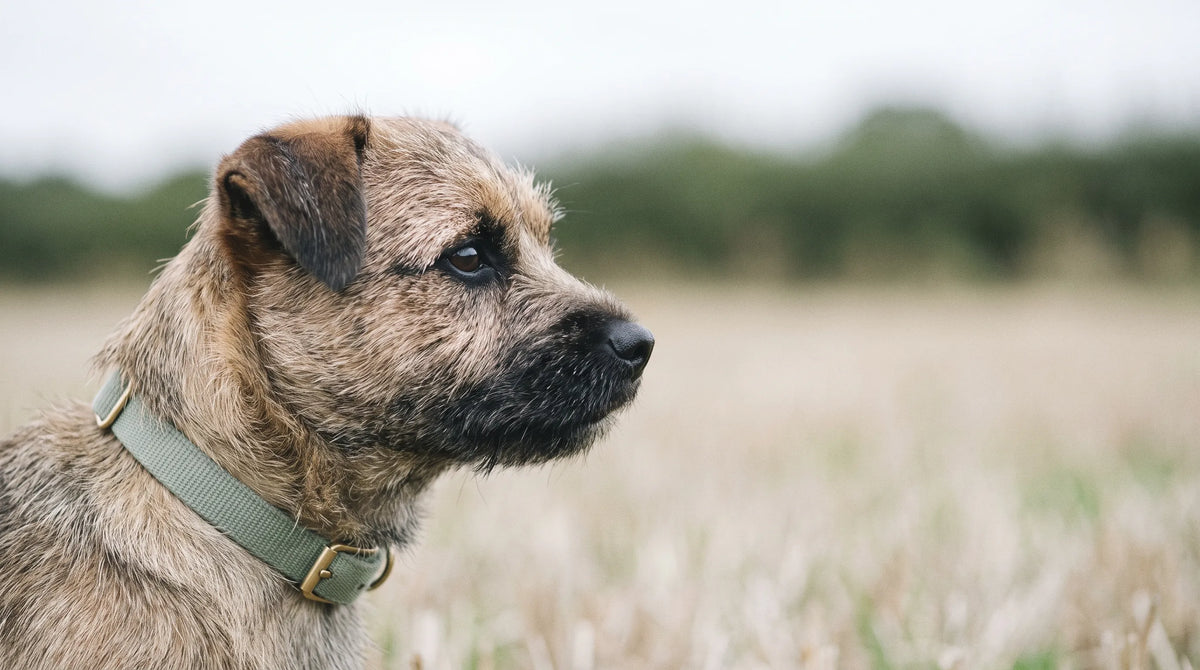
Norwich Terrier
- Small
- Terrier Group
- Popularity rank 109
A small terrier with a big personality, the Norwich is alert, curious, and affectionate. Bred to hunt small vermin such as rodents, this 12 to 17 pound dog packs bold, fearless confidence into a compact frame.
- Height
- 10 to 11
- inches at the shoulder
- Weight
- 12 to 17
- pounds, adult
- Life expectancy
- 12 to 15
- years, median 13.5
- Senior from
- 10.1
- years, about
Senior starts in the last quarter of a breed's expected lifespan, following the 2019 AAHA canine life stage guidelines. Individual dogs vary.
About the breed
- Temperament
- Alert, curious, loyal, affectionate, gregarious
- Coat
- Double, Wiry, short
- Origin
- United Kingdom
- Recognized
- 1936
2015: rank 103, 2016: rank 103, 2017: rank 105, 2018: rank 108, 2019: rank 104, 2020: rank 109, 2021: rank 111, 2022: rank 109, 2023: rank 105, 2024: rank 104, 2025: rank 109
The Norwich Terrier is a small dog from the United Kingdom, a member of the Terrier Group recognized in 1936. Standing 10 to 11 inches tall and weighing 12 to 17 pounds, it carries bold confidence in a compact frame. The breed standard names an ideal weight of about 12 pounds, though Norwich vary in height, bone, and muscle.
Bred to hunt small vermin such as rodents, the Norwich keeps those original hunting instincts along with a jovial, fearless streak. It is alert, curious, loyal, affectionate, and gregarious, an outgoing little dog that often shows no awareness of its small size.
The coat is a hallmark of the breed: a harsh, nearly weatherproof wiry outer coat over a soft insulating undercoat, short in length. Energy runs moderate to high, yet the Norwich adapts well to many living situations and can be content in urban or rural homes.
Temperament and needs
Scored 1 to 5 for the breed overall. Individual dogs vary.
- Affectionate with family5 out of 5
- Good with young children5 out of 5
- Good with other dogs3 out of 5
- Openness to strangers5 out of 5
- Playfulness4 out of 5
- Watchdog and protective nature4 out of 5
- Adaptability4 out of 5
- Trainability3 out of 5
- Energy level4 out of 5
- Mental stimulation needs4 out of 5
- Barking level4 out of 5
- Shedding3 out of 5
- Grooming frequency2 out of 5
- Drooling1 out of 5
Care
The routines that matter most for this breed. Open one at a time.
Nutrition
The Norwich Terrier does well on a high-quality dog food, whether commercially made or home-prepared with your veterinarian's supervision. Match the diet to the dog's life stage, whether puppy, adult, or senior, and keep clean, fresh water available at all times.
Two to three small meals a day suit the breed's small size and energetic nature and help prevent overeating. Puppies may need to eat more often. Slow feeder bowls and puzzle feeders help manage fast eating.
Some Norwich gain weight easily, so watch calorie intake and body condition, and reduce portions if your pup puts on weight. Metabolism tends to slow with age, and too many treats on top of regular meals add up. The right amount of food depends on age, weight, activity level, and overall health, so follow the feeding guidance on the packaging and ask your veterinarian for advice tailored to your dog. Learn which human foods are safe for dogs and which are not.
On a complete, balanced diet, Norwich Terriers generally do not need supplements, though your vet may recommend specific ones based on health. Omega-3 fatty acids support a healthy coat and skin and also support joint health, and joint supplements can benefit dogs with luxating patellas.
Grooming
The Norwich has a double coat: a harsh, nearly weatherproof outer coat over a soft undercoat that insulates against heat and cold. Brush at least twice a week to remove loose hair and prevent matting. Matting is not usually a big issue with regular grooming, but the longer areas of coat can mat, so stay on top of it.
The wiry coat is kept up by hand-stripping, which pulls old outer hairs and excess undercoat so new hair grows in. Hand-stripped coats hold a rich shine and color, while clipping or scissoring cuts the colored tips off, so the color fades and the texture softens. Plan to hand-strip a few times a year, either with a groomer or by learning at home with practice. Learning to hand-strip, or finding a groomer who will, is an important part of choosing this breed.
Limit baths to about once every three months, since too much bathing irritates the skin. The double coat protects the skin well, so no special skin care is needed.
Check and clean the ears regularly with a veterinary-recommended cleaner to reduce wax buildup and the risk of ear infections. Norwich may develop tear stains; wiping the eye area regularly and trimming excess hair around the eyes both help. Brush the teeth at least once a week, or daily if your vet recommends it, and start a puppy early so it stays easy in adulthood. Have the teeth professionally cleaned by your vet at least once a year. Trim the nails about once a month if they do not wear down on their own; if you can hear them tapping the floor, it is time for a trim.
Exercise
The Norwich is an inquisitive, energetic dog that needs ample physical and mental exercise to stay fit and content. A long walk, play with other pets and people, or dog sports all do the job. Earthdog trials, agility, racing, lure coursing, tracking, flyball, musical freestyle, and competitive obedience all suit the breed.
That curiosity can lead to mischief, so keep a Norwich mentally engaged and physically active before it invents its own entertainment. Barking and digging come from its terrier heritage, and those drives run deep, so consistent activity and training help manage them.
Walk Norwich Terriers on leash or release them only inside secure fencing because they may chase small animals. They need regular exercise, mental work, and space to explore.
Training
Norwich are spirited little terriers, usually eager to please and quick to respond to training, though they can turn a bit stubborn and show an independent streak. They are intelligent dogs that respond well to positive, reward-based methods, so work through stubborn moments with treats, favorite toys, and praise. Keep sessions short, engaging, and varied to hold their interest.
Socialize a puppy early so it grows into the amiable, outgoing personality the breed is known for and stays comfortable around new people, animals, and places. Norwich are social dogs that usually get along with children and other pets.
Norwich Terriers can participate in earthdog, barn hunt, obedience, and agility. Early, consistent training and socialization can prepare them for households with limited dog experience.
Health conditions
5 conditions are documented for the Norwich Terrier.
A predisposition is not a diagnosis. Ask your vet which screenings make sense for your dog's age.
- Cystic Renal Dysplasia and Hepatic FibrosisUrinary & Reproductive
- Dental DiseaseOral & Dental
- Norwich Terrier Upper Airway SyndromeAirway & Lung
- Patellar LuxationBone & Joint
- Tracheal CollapseAirway & Lung


Sources
Thank you. Your report is in, and we will check this page.
Longevity & Vitality soft chew
Longevity & Vitality is a daily chew built on five active ingredients. Each chew carries Turkey Tail at 600mg, Curcuvet® curcumin at 75mg, Quercefit® quercetin at 40mg, Fibalance® at 275mg and EpiCor® at 50mg. The daily serving follows your dog's weight, from half a chew to three.
