
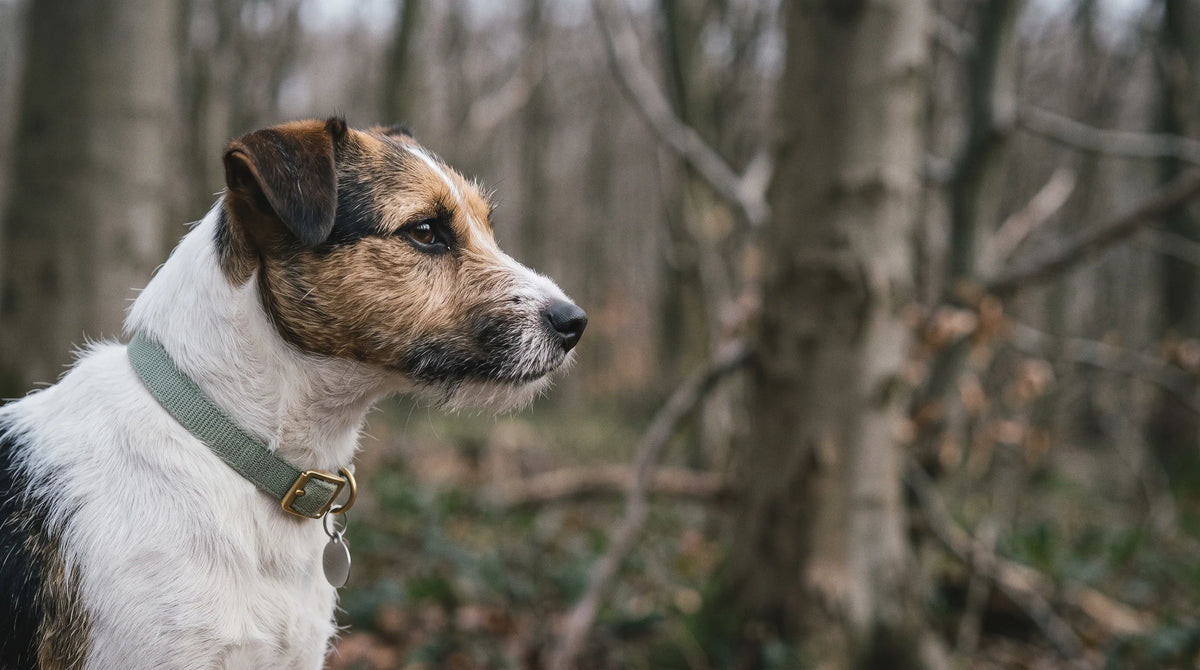
Parson Russell Terrier
- Small
- Terrier Group
- Popularity rank 121
Behind the plush-toy looks sits a tough little terrier bred for England's foxhunting fields. The Parson Russell Terrier is friendly, clever, and athletic, a fast, fearless small dog with energy to spare.
- Height
- 13 to 14
- inches at the shoulder
- Weight
- 13 to 17
- pounds, adult
- Life expectancy
- 13 to 15
- years, median 14
- Senior from
- 10.5
- years, about
Senior starts in the last quarter of a breed's expected lifespan, following the 2019 AAHA canine life stage guidelines. Individual dogs vary.
About the breed
- Temperament
- Friendly, clever, athletic
- Coat
- Double, Smooth, short
- Origin
- United Kingdom
- Recognized
- 1997
2015: rank 111, 2016: rank 109, 2017: rank 119, 2018: rank 117, 2019: rank 120, 2020: rank 115, 2021: rank 117, 2022: rank 121, 2023: rank 117, 2024: rank 112, 2025: rank 121
The Parson Russell Terrier is a small terrier that stands 13 to 14 inches at the shoulder and weighs 13 to 17 pounds in peak condition. An intelligent expression, a mostly white coat, and a balanced body give it the look of a plush toy come to life.
That cuteness hides a tough little dog. Bred in the United Kingdom for England's traditional sport of foxhunting, the Parson Russell is fast enough to follow the hounds and fearless enough to dig into the ground and flush a fox from its lair.
Friendly, clever, and athletic, this is a confident and entertaining companion with a real zest for life. The breed belongs to the Terrier Group and was recognized in 1997.
Temperament and needs
Scored 1 to 5 for the breed overall. Individual dogs vary.
- Affectionate with family5 out of 5
- Good with young children3 out of 5
- Good with other dogs5 out of 5
- Openness to strangers3 out of 5
- Playfulness4 out of 5
- Watchdog and protective nature3 out of 5
- Adaptability4 out of 5
- Trainability4 out of 5
- Energy level5 out of 5
- Mental stimulation needs4 out of 5
- Barking level3 out of 5
- Shedding2 out of 5
- Grooming frequency2 out of 5
- Drooling1 out of 5
Care
The routines that matter most for this breed. Open one at a time.
Nutrition
Parson Russell Terriers do well on a high-quality dog food, whether commercially manufactured or home-prepared with your veterinarian's supervision and approval. Match the diet to the dog's life stage, whether puppy, adult, or senior. This is a high-energy breed that still gains weight easily, so watch calorie intake and keep an eye on your dog's weight.
Feeding two to three small, measured meals a day helps manage that. Recommended calorie intake varies by individual, since size, metabolism, neuter status, and activity level all play a part. Your veterinarian can calculate caloric needs for your dog, and the feeding guide on the food label is useful too. Some terriers may need a light or diet food.
Treats help with training, but too many lead to weight gain, so keep them to no more than 10 percent of daily calories. Learn which human foods are safe for dogs and which are not, and keep clean, fresh water available at all times.
Parson Russells may also benefit from omega-3 fatty acids, found in skin and joint supplements, fish oil, and some specially formulated dog foods. Omega-3s act as anti-inflammatories that help support skin, coat, kidneys, joints, and heart. Check with your vet about any concerns over weight or diet.
Grooming
The Parson Russell Terrier comes in two coat types, smooth and broken (also called rough), and both need regular brushing. Use a thick brush or hound glove on the smooth coat, and a pin or slicker brush on the rough parts to lift loose hair and debris. The rough coat needs plucking or clipping to keep the longer hairs from matting, and a stripping comb works well for removing dead hair.
Weekly brushing with a soft brush helps keep shedding under control. A bath every two to four weeks with a gentle, dog-specific shampoo keeps the coat clean, though once a month is usually enough unless your Parson follows its nature and ends up digging in the mud.
Trim the nails monthly. Check the ears weekly for debris or excess wax and clean as needed, since cleaning every couple of weeks helps keep them comfortable. No special eye care is needed, but if you notice squinting or discharge, contact your veterinarian, as these can signal more serious eye conditions.
Exercise
Parson Russell Terriers are playful, affectionate, fun-loving companions, always ready to join in. They are also high-energy terriers with strong hunting instincts, so this is a dog for someone fairly active. It will not sit alone in a secluded spot for long.
That strong prey drive means a leash or a fenced-in yard is a must on outings, rather than letting them run loose where the urge to chase may be hard to resist. An ideal day for a pet Parson includes a long walk in the woods, where it can explore every hole and sniff every tree trunk, plus play sessions in the backyard.
This breed loves to run, whether in an open field, a woodsy trail, or a neighborhood park, and enjoys fetching, agility, flyball, and frisbee. Its keen sense of smell suits it well for earthdog trials.
The Parson Russell needs to expend a lot of energy and to keep its mind busy. Without enough activity, you may end up with excessive barking, digging, or anxiety, so sports and exercise go a long way toward keeping behavior on track.
Training
Training a Parson Russell Terrier takes consistency, a gentle voice, and a sense of humor. These smart, energetic, happy-go-lucky dogs get bored easily, so keep sessions fun and interesting. The breed is eager to learn and well-suited to reward-based training, but it needs consistent, firm guidance, and positive methods that reward and praise good behavior produce strong results.
This terrier has almost as much personality as energy, which can show up as a clever, playful dog with a stubborn streak. Some are stubborn enough that you will need patience, and since they may get bored with standard training, training games help keep them interested.
Start obedience training and socialization early. Socialize them extensively around other dogs and children in supervised settings while young. Some individuals have a high prey drive and may bolt at the sight of smaller animals, including cats, which can make them hard to walk for a child or unsteady adult.
Properly socialized Parson Russell Terriers can live with children, though they do not tolerate rough handling, and they suit canine sports that require agility, speed, and intelligence.
Health conditions
4 conditions are documented for the Parson Russell Terrier.
A predisposition is not a diagnosis. Ask your vet which screenings make sense for your dog's age.
- Dental DiseaseOral & Dental
- Eye ProblemsEye
- Patellar LuxationBone & Joint
- Pulmonic StenosisHeart


Sources
- American Kennel Club: Parson Russell Terrier
- PetMD: Parson Jack Russell Terrier
- Wisdom Panel: Parson Russell Terrier
Thank you. Your report is in, and we will check this page.
Longevity & Vitality soft chew
Longevity & Vitality is a daily chew built on five active ingredients. Each chew carries Turkey Tail at 600mg, Curcuvet® curcumin at 75mg, Quercefit® quercetin at 40mg, Fibalance® at 275mg and EpiCor® at 50mg. The daily serving follows your dog's weight, from half a chew to three.
