

Pumi
- Small
- Herding Group
- Popularity rank 169
The Pumi is a small Hungarian herding dog with corkscrew curls, semi-erect ears, and a lively, alert mind. Behind the teddy-bear look is an energetic worker that needs daily activity and a job to stay happy.
- Height
- 15 to 18.5
- inches at the shoulder
- Weight
- 22 to 29
- pounds, adult
- Life expectancy
- 12 to 13
- years, median 12.5
- Senior from
- 9.4
- years, about
Senior starts in the last quarter of a breed's expected lifespan, following the 2019 AAHA canine life stage guidelines. Individual dogs vary.
About the breed
- Temperament
- Energetic, lively, ready to work
- Coat
- Wavy, Curly, medium
- Origin
- Hungary
- Recognized
- 2016
2017: rank 162, 2018: rank 151, 2019: rank 158, 2020: rank 156, 2021: rank 153, 2022: rank 140, 2023: rank 172, 2024: rank 169
The Pumi (POO-mee; plural Pumik) is a small herding breed from Hungary, where it was developed as a fast, intelligent helper for shepherds. Compact and fearless, it moved flocks of sheep and cattle along the narrow roads between western Hungary's pastures, working in close cooperation with people while thinking independently.
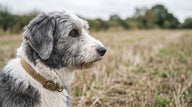
The look does not match the work. Corkscrew curls, a circular tail, semi-erect ears, and dark, expressive eyes give the Pumi a whimsical, teddy-bear face. Under the curls is a lean, deep-chested herder. Full-grown, the breed stands 15 to 18.5 inches tall and weighs 22 to 29 pounds, with a typical lifespan of 12 to 13 years.
The cuddly appearance hides a serious work ethic. Pumik are energetic, lively, and ready to work, with the agility and aptitude for many activities. At home they settle down easily and tend to attach closely to one person, and with proper training and socialization they also fit families well.
Temperament and needs
Scored 1 to 5 for the breed overall. Individual dogs vary.
- Affectionate with family5 out of 5
- Good with young children3 out of 5
- Good with other dogs3 out of 5
- Openness to strangers3 out of 5
- Playfulness4 out of 5
- Watchdog and protective nature4 out of 5
- Adaptability4 out of 5
- Trainability5 out of 5
- Energy level5 out of 5
- Mental stimulation needs5 out of 5
- Barking level3 out of 5
- Shedding1 out of 5
- Grooming frequency2 out of 5
- Drooling2 out of 5
Care
The routines that matter most for this breed. Open one at a time.
Nutrition
The Pumi does well on a high-quality dog food, whether commercially manufactured or home-prepared under your veterinarian's supervision and approval. Match the diet to the dog's life stage: puppy, adult, or senior. Some Pumik are prone to gaining weight, so watch calorie intake and weight, and remember that too many treats can lead to obesity. Learn which human foods are safe for dogs and which are not, and keep clean, fresh water available at all times.
Like many dogs, an adult Pumi should eat two meals a day. Split the recommended daily amount into two servings, one in the morning and one in the evening. Pumi puppies may need to eat more often to help avoid hypoglycemia (low blood sugar), so ask your vet how often to feed yours.
For portion size, follow the feeding guidelines on the food you choose. These are based on your dog's weight and serve as a starting point; adjust the amount if your dog's weight changes. Your veterinarian can give specific guidance based on activity level, age, and other health factors.
When fed a nutritionally complete formula, most Pumik do not require supplements. Your vet may suggest one depending on your dog's health, so never give a supplement without speaking to your veterinarian first.
Grooming
The Pumi coat is half soft hair and half harsher hair, all the same length. The harsh hairs help keep it from matting easily, so an adult needs combing about every two to three weeks to remove loose, dead hair. Pumi puppies lack the harsher outer-coat hair; until it develops, usually by 2 or 3 years of age, they need more frequent combing.
The Pumi does not shed much, but hair comes out during grooming, and the coat keeps growing and needs trimming every few months. The curls are natural but take effort to maintain. After combing, wet, bathe, or soak the coat so the curls form again, then let it air dry. Do not use a blow-dryer, since heat removes the corkscrew curls. An occasional bath is called for when the dog gets especially dirty, and a professional groomer can trim the curly coat to keep it neat. No special skin care is required.
Keep your Pumi's ears free of debris and dirt. Handle and inspect them regularly for excessive wax, redness, discharge, or sensitivity, and consult your veterinarian about these or other ear symptoms; they may recommend cleaning with a vet-recommended cleaner. While grooming or petting, also check the eyes for cloudiness, irritation, or discharge, and contact your vet right away if you notice changes.
Pumik also need regular nail trims and a dental routine that includes at-home brushing and professional cleanings.
Exercise
The Pumi is energetic and needs regular exercise plus mental stimulation every day. Beyond brisk walks, take yours hiking or to the dog park to run out its energy. These dogs are agile; they climb over and under things and like high places where they can watch what is going on.
Favorite toys are often tennis balls and flying discs, and a Pumi will demand a good chase-and-fetch game. Mental work matters just as much: games and puzzle toys keep their minds engaged and prevent boredom, and if their brains are not engaged regularly, mischief follows.
Confident, lively, and alert, the Pumi carries the heritage of driving livestock like sheep and cattle. In Hungary, Pumik remain part of farm life, and in the United States they have herded sheep and cattle along with smaller animals like rabbits and chickens. They stay wary of unusual sights or sounds and often bark to sound the alarm, though whether the alert is justified is sometimes up for debate. They do not bark without reason, but the reason could be a passing butterfly.
With a zest for activity, the Pumi is a strong partner for active people or families who want a companion that thrives on having something to do.
Training
The Pumi is a thinking dog that assesses each new situation, so early socialization as a puppy is essential. It learns quickly and is smart and energetic, which helps it take to training easily. Use positive reinforcement, rewarding your dog with treats, toys, and praise to build good manners. Because the breed is independent, overly repetitive tasks will not hold its attention; raising one is not much different from raising a 5-year-old child who wants to please but also wants to understand why.
This breed tends to be one-person and cautious around new people, and it can be wary or shy with strangers if not introduced early to many experiences. Socialization helps a Pumi feel more comfortable, and consistent training matters most in any household. Pumik are generally good with children as long as they get used to the noise and activity of kids early, and they can adapt to busy family life if exposed to that environment from a young age.
Because Pumik like to use their voices, do not reinforce barking; positive, rewards-based methods help keep it in check. These dogs thrive on a close working relationship with their pet parent, but that closeness can lead to separation anxiety. Teach a Pumi puppy that being left alone is OK, and crate training helps.
Pumik need owners who can provide consistent training throughout life.
Health conditions
4 conditions are documented for the Pumi.
A predisposition is not a diagnosis. Ask your vet which screenings make sense for your dog's age.
- Degenerative MyelopathyNervous System & Behavioral
- Hip DysplasiaBone & Joint
- Patellar LuxationBone & Joint
- Primary Lens LuxationEye


Sources
Thank you. Your report is in, and we will check this page.
Longevity & Vitality soft chew
Longevity & Vitality is a daily chew built on five active ingredients. Each chew carries Turkey Tail at 600mg, Curcuvet® curcumin at 75mg, Quercefit® quercetin at 40mg, Fibalance® at 275mg and EpiCor® at 50mg. The daily serving follows your dog's weight, from half a chew to three.
