
Sapsaree
- Medium
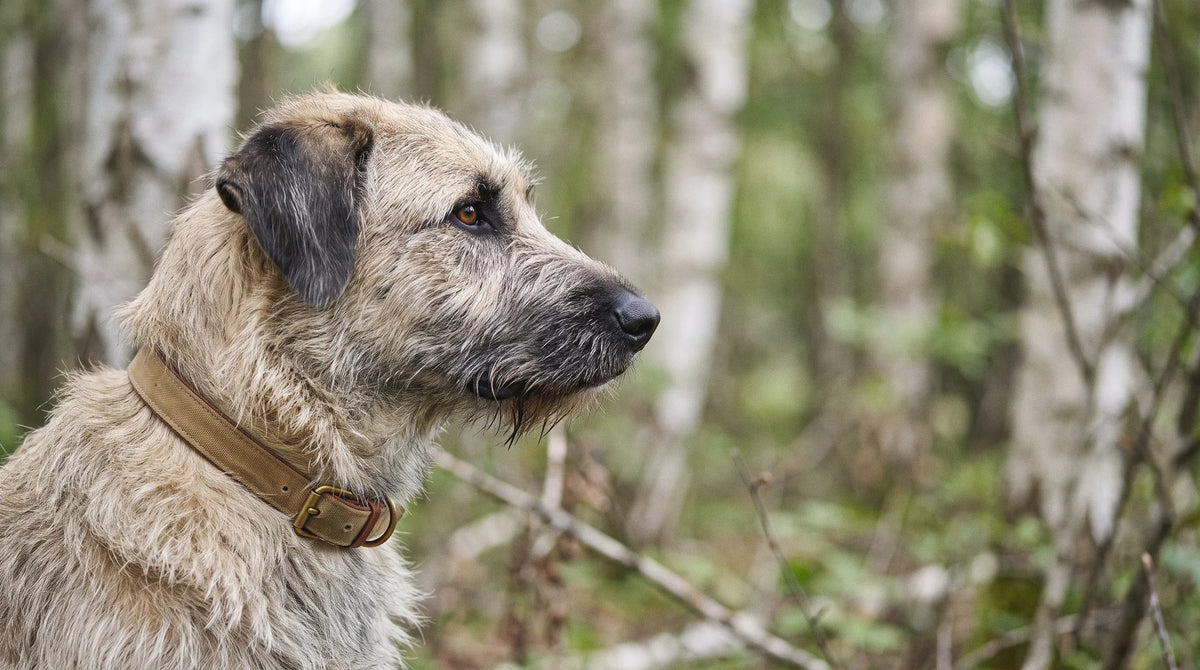
The Sapsaree is a medium-sized, ancient Korean breed, gentle and loyal, with thick head hair that earned it the nickname lion dog. Sapsarees are quiet, devoted, wary of strangers, and prefer to stay near familiar people.
- Height
- 20 to 25
- inches at the shoulder
- Weight
- 37 to 71
- pounds, adult
- Life expectancy
- 10 to 12
- years, median 11
- Senior from
- 8.2
- years, about
Senior starts in the last quarter of a breed's expected lifespan, following the 2019 AAHA canine life stage guidelines. Individual dogs vary.
About the breed
- Origin
- South Korea
The Sapsaree is an ancient breed from South Korea, also spelled Sapsali or Sapsari and originating from Gyeongsan. It is a medium-sized dog with a kind expression, and the thick hair on its head earned it the nickname lion dog.
By temperament the Sapsaree is gentle, obedient, and loyal. It is devoted to its family but can be wary of strangers. The breed is typically quiet and barks only when necessary, though when it does have something to say the bark is loud and strong. That gentle nature has made Sapsarees well suited to therapy work, and they have been used to comfort hospital patients since 1999.
The Sapsaree is one of three native breeds designated cultural treasures by the Republic of Korea, alongside the Jindo and Donggyeongi. Dogs resembling Sapsarees appear in tomb murals dating from 37 B.C. to 668 A.D. Its name means to drive away evil spirits and bring blessings. Royal families and aristocrats kept Sapsarees, and generals used the dogs in war.
The Sapsaree nearly disappeared. During the Japanese occupation of Korea from 1910 to 1945, millions were killed and their fur used to make soldiers' coats. A breeding program began in 1969 after 30 dogs were found in rural Kyungpook province, but the population kept falling, and by the mid-1980s only eight dogs remained.
Geneticist Ha Ji-Hong led the restoration using traditional breeding alongside DNA technology, and the breed was designated a natural treasure in 1992 to protect and fund the effort. Today there are thousands of Sapsarees, some living in homes across South Korea and others raised by the Sapsaree Foundation for continued breeding. Because the gene pool remains small, selection for specific physical traits is being held off until there are at least 10,000 breeding dogs, to avoid unnecessary inbreeding.
Care
The routines that matter most for this breed. Open one at a time.
Nutrition
A Sapsaree should receive complete and balanced food suited to its current life stage. For an adult, the portion should reflect total treats and actual activity, including walking. Meals should be measured, and weight and body shape checked regularly before intake is adjusted.
Treats belong within total daily calories and should contribute no more than 10 percent of the allowance. Unexpected weight changes, medical conditions, and major diet choices should be discussed with a veterinarian. Fresh water should remain clean and accessible, with the supply replaced each day.
Grooming
The Sapsaree's long coat needs daily brushing to work out tangles and remove loose fur.
Check the ears regularly and clean them when needed to clear wax and debris. Keep nails trimmed too, since nails that grow too long can crack, split, or make walking difficult.
Provide at-home teeth brushing and professional dental cleanings.
Exercise
Regular, consistent exercise and walking should shape an adult Sapsaree's routine. Daily walking is useful when circumstances allow, with slow, sniffing walks adding exploration and mental activity. When outdoor walking must be shortened, indoor scent searches, tug, ball play, or simple training can maintain physical and mental activity.
These indoor activities supplement rather than replace walking. On outings, control can come from a lead; if the dog is ever off lead, the handler should remain aware of its actions and have reliable prompt recall.
Training
Sapsarees are intelligent and eager to please, which makes them typically easy to train. Positive reinforcement works well, using treats or a favorite toy to reward the behaviors you want.
Beyond obedience, early socialization matters. Getting your Sapsaree comfortable with different people and environments while young helps them grow into a well-adjusted adult.

Longevity & Vitality soft chew
Longevity & Vitality is a daily chew built on five active ingredients. Each chew carries Turkey Tail at 600mg, Curcuvet® curcumin at 75mg, Quercefit® quercetin at 40mg, Fibalance® at 275mg and EpiCor® at 50mg. The daily serving follows your dog's weight, from half a chew to three.
