
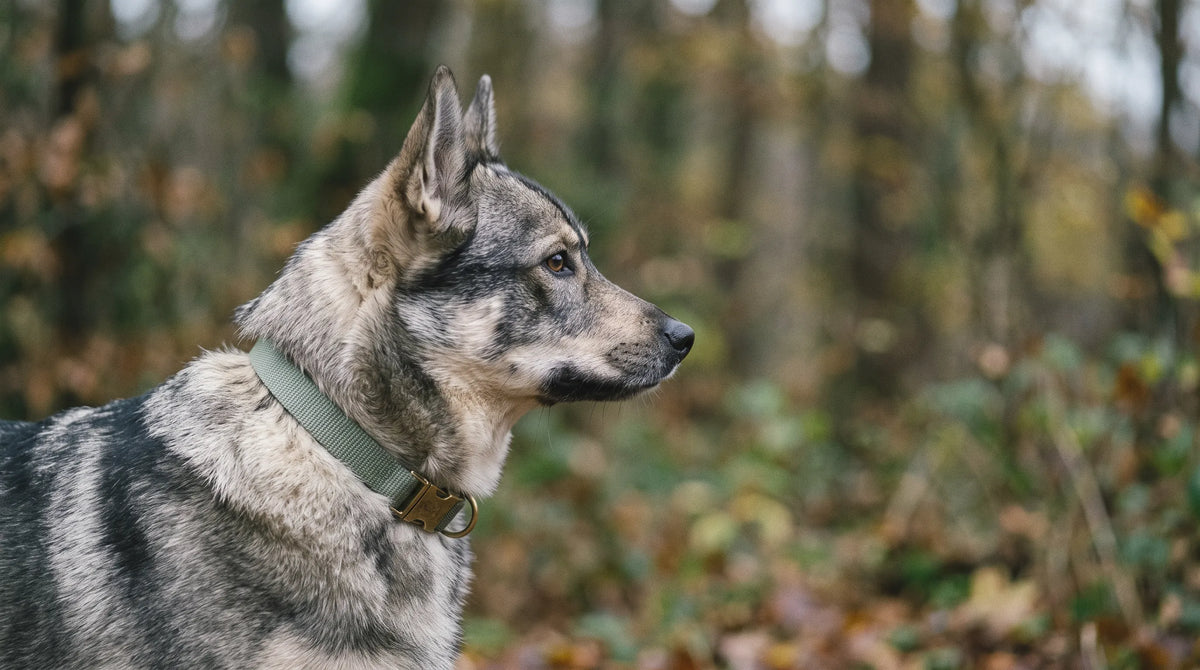
Swedish Vallhund
- Small
- Herding Group
- Popularity rank 152
With a thick coat, sturdy build, and low, long frame, the Swedish Vallhund is a small herding dog with Viking-age roots. The breed is friendly, energetic, and watchful, stands under 14 inches, and weighs 20 to 35 pounds.
- Height
- 11.5 to 13.75
- inches at the shoulder
- Weight
- 20 to 35
- pounds, adult
- Life expectancy
- 12 to 15
- years, median 13.5
- Senior from
- 10.1
- years, about
Senior starts in the last quarter of a breed's expected lifespan, following the 2019 AAHA canine life stage guidelines. Individual dogs vary.
About the breed
- Temperament
- Friendly, energetic, watchful
- Coat
- Double, short
- Origin
- Sweden
- Recognized
- 2007
2015: rank 155, 2016: rank 163, 2017: rank 149, 2018: rank 169, 2019: rank 161, 2020: rank 147, 2021: rank 160, 2022: rank 160, 2023: rank 138, 2024: rank 153, 2025: rank 152
The Swedish Vallhund is a small herding dog with a thick sable double coat, a sturdy build, and a no-frills look. It stands about 11.5 to 13.75 inches tall and weighs 20 to 35 pounds, built long and low to the ground.
The low frame is not as exaggerated as that of the corgi, a distant cousin, but the idea is the same: a low body makes it easier to nip at the heels of cattle and dodge a kick. Balance, power, and smooth movement are breed hallmarks.
The Vallhund is friendly, energetic, watchful, and suited to suburban homes. The breed's history reaches back more than a thousand years. The American Kennel Club recognized the breed in 2007, and it typically lives 12 to 15 years.
Temperament and needs
Scored 1 to 5 for the breed overall. Individual dogs vary.
- Affectionate with family5 out of 5
- Good with young children5 out of 5
- Good with other dogs3 out of 5
- Openness to strangers3 out of 5
- Playfulness4 out of 5
- Watchdog and protective nature3 out of 5
- Adaptability4 out of 5
- Trainability4 out of 5
- Energy level4 out of 5
- Mental stimulation needs4 out of 5
- Barking level3 out of 5
- Shedding4 out of 5
- Grooming frequency2 out of 5
- Drooling2 out of 5
Care
The routines that matter most for this breed. Open one at a time.
Nutrition
The Swedish Vallhund does well on a high-quality dog food, whether commercially made or home-prepared with your veterinarian's supervision and approval. Match the food to the dog's life stage, whether puppy, adult, or senior, and keep clean, fresh water available at all times.
Most Vallhunds are easy keepers and need less food than you might expect, even when very active. They gain weight easily, so measure meals rather than free-feeding. Grazing also makes it harder to notice quickly if your dog stops eating well.
- Puppies: at least three meals a day on a consistent schedule, using a food formulated for puppies, to help prevent low blood sugar (hypoglycemia).
- Adults: a measured amount twice a day, at the same times each day, to set a routine.
A dog's calorie needs depend on size, metabolism, neuter status, and activity level, so your veterinarian is the surest guide to how much to feed. AAFCO-compliant food packaging also gives portion guidance and provides essential nutrients. A lean body and healthy weight help protect the joints, which matters for a breed prone to patellar luxation and hip dysplasia.
Some dogs benefit from added omega-3 fatty acids (DHA and EPA) if your veterinarian recommends them. Omega-3s appear in skin and joint supplements, fish oil, and some dog foods, and they support the skin, coat, joints, and heart. Never give your dog a supplement without speaking to your vet first.
Grooming
Vallhunds have a manageable double coat that sheds year-round, with heavier shedding in spring and fall.
Brush at least once a week down to the skin to remove cast-off hair, and increase the frequency during spring and fall. When shedding peaks, a warm bath and massage while shampooing, followed by a dryer and a thorough brushing, clears the worst of it. A gentle dog shampoo and conditioner works well, and a bath is needed only a few times a year or when the dog is dirty.
Clean the ears every week or two to help prevent infections, and ask your veterinarian which dog-friendly ear cleaner they recommend. See your vet if you notice redness, odor, or debris, since these can signal an infection.
Vallhunds have no special eye care needs. If debris collects in the corner of the eyes, wipe it away gently with a damp cloth, and visit the vet if you notice squinting, discharge, or redness. Trim the nails and brush the teeth regularly.
Exercise
Exercise needs vary across the breed, and some Vallhunds carry more energy than others. This is not a dog meant to run all day, but it is a working farm dog that needs regular exercise. One solid daily walk plus some fetch, a sport, or another activity suits most, though some need more.
They need mental work alongside the physical. Puzzle games, clicker training, and canine sports such as agility, rally, or competitive obedience all support their well-being, and a romp at the dog park helps burn energy.
This breed may bark a lot, which steady exercise, training, and mental stimulation can curb. Its herding history can also bring a strong prey drive, so it may chase small animals. Keep your Vallhund leashed or inside a fenced space when outdoors. A household too busy to meet these exercise and mental needs may see destructive behavior or excess barking.
Training
Most Vallhunds want to work with you, and that eagerness is a hallmark of the breed. Use positive, reward-based training and clear instructions. The breed is strong-willed and responds better to rewards than harsh discipline.
Intelligent and alert, Vallhunds tend to pick up cues quickly. Most are very biddable, and clicker training is especially effective. Scent walks around the neighborhood help keep their minds focused, and once basic commands are mastered, activities like agility or nose work keep them challenged.
Some Vallhunds are reserved around new dogs or unfamiliar people, so slow introductions and early socialization help build confidence. Begin socializing the puppy early, ideally within the first 16 weeks, and ask your vet for tips; puppy classes help too.
The Vallhund temperament is generally affectionate, and these dogs suit active families. Supervise all dogs and children and teach them how to interact, but most Vallhunds are patient and gentle with children when socialized as puppies.
Health conditions
6 conditions are documented for the Swedish Vallhund.
A predisposition is not a diagnosis. Ask your vet which screenings make sense for your dog's age.
- CataractsEye
- Dental DiseaseOral & Dental
- Hip DysplasiaBone & Joint
- Patellar LuxationBone & Joint
- Swedish Vallhund RetinopathyEye
Show all 6 conditions Show fewer
- Urate Kidney & Bladder StonesUrinary & Reproductive


Sources
Thank you. Your report is in, and we will check this page.
Longevity & Vitality soft chew
Longevity & Vitality is a daily chew built on five active ingredients. Each chew carries Turkey Tail at 600mg, Curcuvet® curcumin at 75mg, Quercefit® quercetin at 40mg, Fibalance® at 275mg and EpiCor® at 50mg. The daily serving follows your dog's weight, from half a chew to three.
