
Thai Ridgeback
- Medium
- Foundation Stock Service
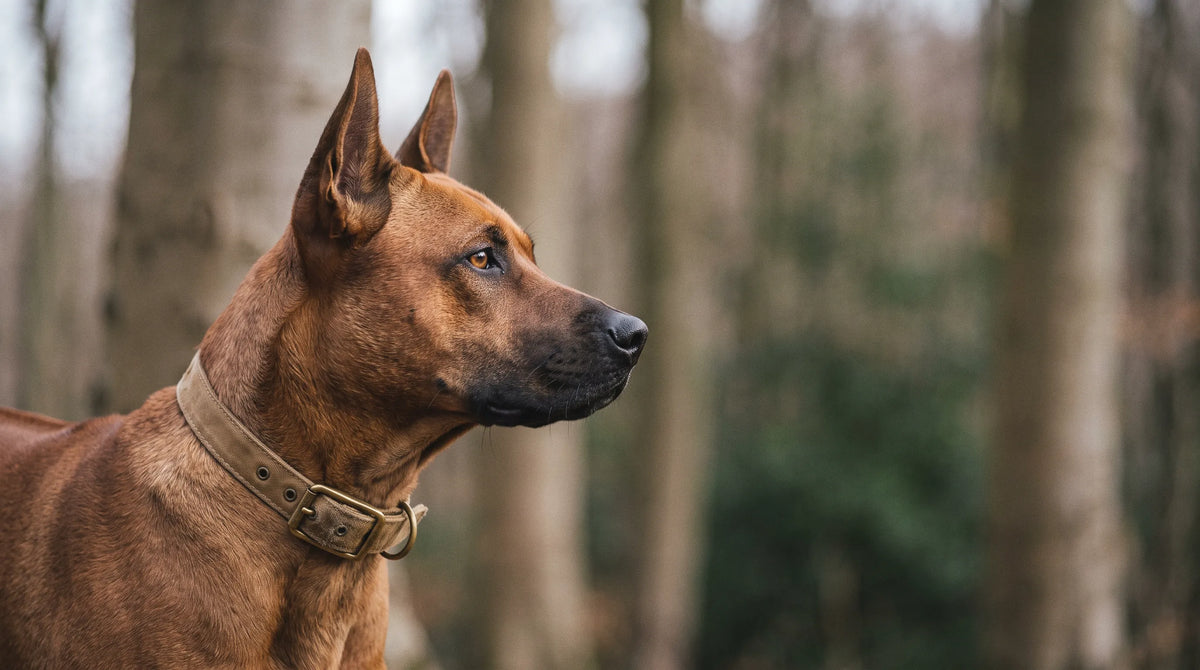
The Thai Ridgeback is a muscular, athletic dog known for the ridge of hair that runs along its back. Loyal, alert, and intelligent, this independent Thai breed is devoted to its family yet reserved and watchful with strangers.
- Height
- 20 to 24
- inches at the shoulder
- Weight
- 35 to 75
- pounds, adult
- Life expectancy
- 14 to 15
- years, median 14.5
- Senior from
- 10.9
- years, about
Senior starts in the last quarter of a breed's expected lifespan, following the 2019 AAHA canine life stage guidelines. Individual dogs vary.
About the breed
- Temperament
- Loyal, Alert, Intelligent
- Coat
- Smooth, short
- Origin
- Thailand
The Thai Ridgeback is a muscular, medium-sized dog from Thailand, standing 20 to 24 inches tall and weighing 35 to 75 pounds. Its streamlined body makes it agile and athletic, and its lifespan runs about 14 to 15 years.
The breed is named for the ridge on its back, where hair grows in the opposite direction from the rest of the coat. There are up to eight different ridge patterns, and some puppies are born without a ridge at all. Coat colors include solid blue, black, red, or fawn, sometimes with a black mask on red dogs, and many Thai Ridgebacks have spotted, solid black, or solid blue tongues.
Bred to hunt and guard, the Thai Ridgeback had to be independent and self-sufficient, which gave it a high prey drive and sharp intelligence. Most today are companions, but those instincts remain.
Well bred and properly socialized, the Thai Ridgeback is loyal and loving with its family while staying reserved and suspicious toward strangers. It needs a patient, consistent, experienced owner who understands dog behavior, and it is not a good match for first-time owners.
Temperament and needs
Scored 1 to 5 for the breed overall. Individual dogs vary.
- Affectionate with family5 out of 5
- Good with young children3 out of 5
- Good with other dogs3 out of 5
- Openness to strangers1 out of 5
- Playfulness3 out of 5
- Watchdog and protective nature5 out of 5
- Adaptability1 out of 5
- Trainability3 out of 5
- Energy level3 out of 5
- Mental stimulation needs4 out of 5
- Barking level1 out of 5
- Shedding3 out of 5
- Grooming frequency3 out of 5
- Drooling1 out of 5
Care
The routines that matter most for this breed. Open one at a time.
Nutrition
The Thai Ridgeback does well on a high-quality dog food, whether commercially made or home-prepared with your veterinarian's supervision and approval. Match the diet to the dog's life stage, whether puppy, adult, or senior. Some dogs gain weight easily, so watch calorie intake and body condition, and check with your vet about any weight or diet concerns. Keep clean, fresh water available at all times.
Follow these general feeding guidelines:
- Puppies: two to three meals a day
- Adults: two meals, one in the morning and one in the evening
- Treats: no more than 10% of the daily diet, with about 90% coming from well-balanced dog food
Follow the portions on the food packaging and confirm the right amount with your veterinarian, since it depends on ideal body weight, life stage, health, and activity level. Measure each meal so you feed the proper amount, and if your dog eats too quickly, a slow feeder bowl can help. Learn which human foods are safe for dogs and which are not.
A healthy Thai Ridgeback on a complete-and-balanced food generally needs no extra supplementation. If your dog has hip dysplasia or a dermoid sinus, your veterinarian may recommend a joint supplement, an omega-3 supplement, or a prescription joint diet.
Grooming
The Thai Ridgeback's coat is short, hard, and straight, so occasional brushing to clear loose hair is all it needs. Brush more often during shedding, which happens only once or twice a year. With no undercoat, the breed produces less dander, and people with dog-dander allergies may find it bothers them less than other breeds.
Bathe only when the coat gets dirty or smelly. This breed needs no special skin care.
The strong, fast-growing nails need regular trimming with a clipper or grinder to prevent overgrowth, splitting, and cracking. Brush the teeth regularly, since an at-home dental routine alongside professional cleanings supports overall health.
Check the ears regularly for wax and debris, and clean them every three to four weeks and after baths or swimming to reduce ear problems. Watch the eyes for discharge, redness, or changes in vision that may signal a health issue.
Exercise
These active, athletic dogs need plenty of exercise, with several brisk on-leash walks or runs every day. Good outlets include fenced backyard play and indoor games like hide-and-seek or chasing a ball rolled along the floor. Swimming, hiking, and retrieving balls or flying discs give the energy somewhere to go, and in an apartment even short walks in the hallways help in bad weather.
Dog sports such as agility, rally, lure coursing, and obedience suit the breed and give it mental stimulation. They are not great candidates for dog parks or group play.
Because of their strong prey drive, Thai Ridgebacks should run off-leash only in securely fenced areas. Keep the dog on a leash or in a fenced yard outdoors, and make the fence tall, about 6 feet, since these dogs jump high and clear lower fences easily. A tall backyard fence gives room to run while keeping the dog from roaming or chasing prey.
Training
Naturally protective and reserved with strangers, the Thai Ridgeback responds well to proper socialization and training, though its independent, self-sufficient nature can make training hard. Even experienced owners have to work to get one to obey, which is a big reason this breed is not a good choice for a first-time pet parent.
Use consistent, patient, reward-based training with positive reinforcement. Keep sessions engaging and fun, and Thai Ridgebacks pick up cues quickly.
Early socialization is as important as training. Enroll your puppy in socialization, puppy, and obedience classes so it learns that new people and situations are not a threat. Without that work, the breed can be standoffish toward strangers.
Thai Ridgebacks can do well with young children and other dogs when introductions are supervised, done properly, and started from a young age. Their strong prey drive means they may not fit homes with smaller pets like cats, rabbits, or hamsters. After daily exercise, the breed can settle indoors with the family.
Health conditions
2 conditions are documented for the Thai Ridgeback.
A predisposition is not a diagnosis. Ask your vet which screenings make sense for your dog's age.
- Dermoid SinusSkin & Connective Tissue
- Hip DysplasiaBone & Joint



Sources
Thank you. Your report is in, and we will check this page.
Longevity & Vitality soft chew
Longevity & Vitality is a daily chew built on five active ingredients. Each chew carries Turkey Tail at 600mg, Curcuvet® curcumin at 75mg, Quercefit® quercetin at 40mg, Fibalance® at 275mg and EpiCor® at 50mg. The daily serving follows your dog's weight, from half a chew to three.
