
Craniomandibular Osteopathy in Dogs
- Category
- Bone & Joint
- Inheritance
- Multifactorial
- Breeds documented
- 3
- Published sources
- 5
Overview
Signs to watch for
When to get help Book a vet visit for mouth pain, difficulty eating or unexplained weight loss.
Diagnosis and tests
Breeds with documented risk
3 breeds
- 3 Small

Inheritance
This condition has more than one known form, and different breeds inherit it in different ways. The sources list the form found in each breed.
Multifactorial
Several genes and the environment together set the risk. Diet, growth rate, weight and exercise can all play a part. There is no single DNA test. Screening the parents (for example hip or elbow scores) and choosing from lines with good results lowers the risk, but does not remove it.
As stated by OMIA
Autosomal recessive
West Highland White Terrier
A dog is affected only if it inherits two copies of the gene variant, one from each parent. A dog with one copy is a carrier: usually healthy, but able to pass the variant on. When two carriers are bred, on average one puppy in four is affected. A DNA test can tell clear, carrier and at-risk dogs apart.
As stated by OMIA
Autosomal dominant, incomplete penetrance
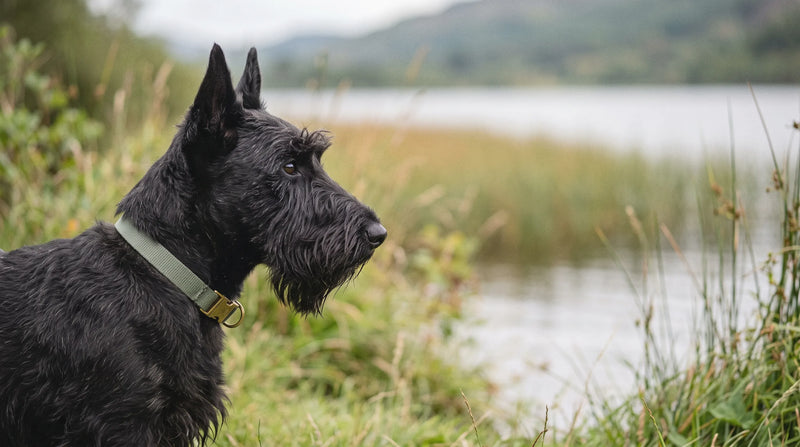
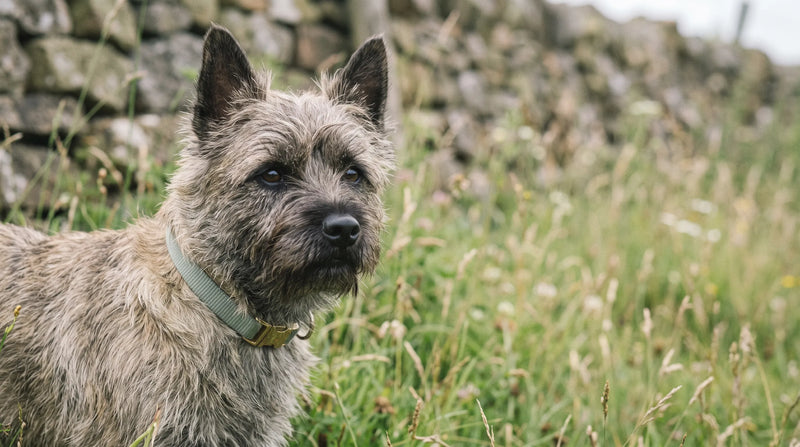
West Highland White Terrier, Cairn Terrier, Scottish Terrier
One copy can be enough, but not every dog with the variant develops the condition, and severity can vary. A DNA result shows risk, not certainty.
As stated by OMIA
We've gathered what published sources say about this condition, so you can talk it through with your vet. It isn't veterinary advice: you and your vet know your dog best.
Sources
- merckvetmanual.com
- merckvetmanual.com
- vet.cornell.edu
- Cairn Terrier: pubmed.ncbi.nlm.nih.gov
- Cairn Terrier: omia.org
Thank you. Your report is in, and we will check this page.