Exfoliative cutaneous lupus erythematosus in Dogs

Breeds documented
1
Published sources
2

Overview

Exfoliative cutaneous lupus erythematosus affects the skin and hair follicles, causing widespread scaling and hair loss. It is a form of cutaneous lupus, meaning lupus that mainly affects the skin. Crusts, patches of altered skin color, and scarring may develop as lesions spread. Some affected dogs also develop a stiff gait or lameness associated with joint pain.

Signs to watch for

  • Persistent flakes and scales across the coat
  • Patches of hair loss
  • Crusts or sores on the skin
  • Changes in skin color or scarring
  • A stiff walk or limping

Signs usually begin in young dogs; the reported median onset was 8 months.

When to get help Book a vet visit for persistent scaling, hair loss, skin sores, or a new stiff gait.

Diagnosis and tests
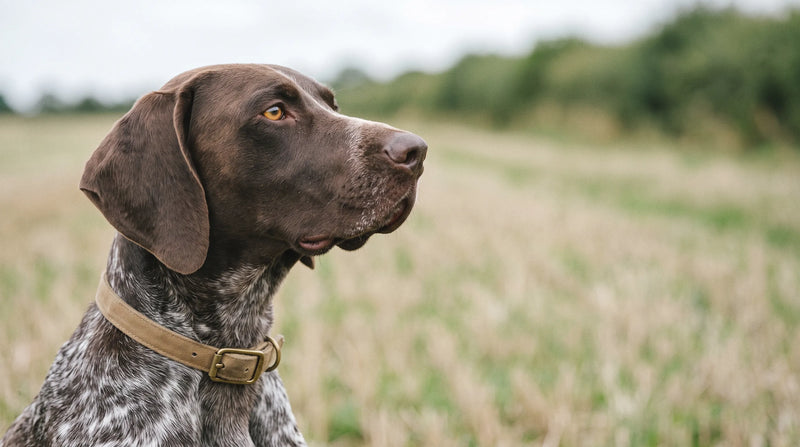
Vets use the pattern of skin changes together with a biopsy, a small skin sample examined under a microscope. The sample can show inflammation where skin layers meet and around hair follicles. This matters because another disorder of the skin's oil glands can look very similar.

Breeds with documented risk

1 breed

By breed size
  • 1 Medium

Inheritance

  • Not yet known

    None of the sources we use states how this is inherited in dogs yet.

We've gathered what published sources say about this condition, so you can talk it through with your vet. It isn't veterinary advice: you and your vet know your dog best.

Sources

  1. ebi.ac.uk
  2. German Shorthaired Pointer: pmc.ncbi.nlm.nih.gov