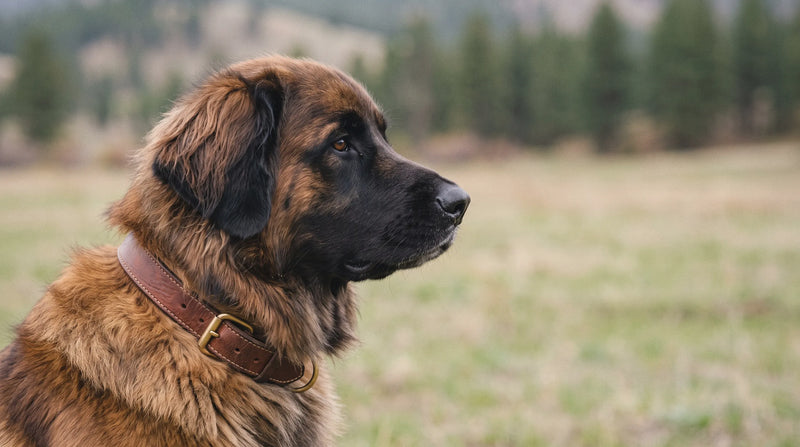
Leonberger Polyneuropathy 1 in Dogs

Breeds documented
2
Published sources
5

Overview

In this inherited nerve disorder, damage to nerves gradually weakens the muscles they supply. The back legs are often noticeably affected, with an unusual high-stepping walk and loss of muscle. Nerves controlling the voice box can also be damaged, making breathing noisy or difficult. LPN1 is linked to a change in the ARHGEF10 gene and is associated with a severe form that begins early in life.

Signs to watch for

  • Tiring sooner than expected during exercise
  • Lifting the back feet unusually high when walking
  • Weak back legs with smaller-looking muscles
  • Harsh or noisy breathing
  • A change in the sound of the bark

The severe form linked to two LPN1 gene copies usually appears before three years of age.

Emergency Go to an emergency vet now if your dog is struggling to breathe.

Diagnosis and tests
DNA testing can identify the ARHGEF10 change linked to LPN1 and help guide breeding decisions. Vets may also examine the voice box and test samples of nerve or muscle tissue to assess the disease. A clear LPN1 result does not exclude other genetic causes of polyneuropathy.

Breeds with documented risk

2 breeds

By breed size
  • 2 Giant

Inheritance

  • Not yet known

    None of the sources we use states how this is inherited in dogs yet.

We've gathered what published sources say about this condition, so you can talk it through with your vet. It isn't veterinary advice: you and your vet know your dog best.

Sources

  1. ebi.ac.uk
  2. vetmed.umn.edu
  3. acvs.org
  4. Leonberger: pubmed.ncbi.nlm.nih.gov
  5. Leonberger: omia.org