Leonberger Polyneuropathy 2 in Dogs

Breeds documented
1
Published sources
5

Overview

Several nerves can gradually lose function in this inherited disorder, causing weakness and wasting of the muscles they serve. It is linked to a change in the GJA9 gene and has been described in Leonbergers. The legs and the nerves controlling the voice box may be affected, so walking and breathing can change. Some dogs with the gene change never develop obvious disease.

Signs to watch for

  • Weakness during movement
  • Tiring easily during activity
  • An exaggerated step, especially with the back legs
  • Shrinking leg muscles
  • A changed bark or noisy breathing

Signs began at an average age of about six years in the study, with wide variation.

Emergency Go to an emergency vet now if your dog is struggling to breathe.

Diagnosis and tests
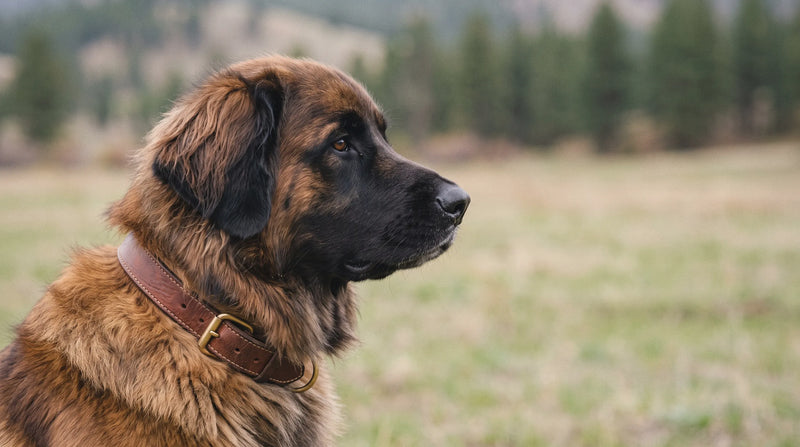
A DNA test can identify the GJA9 change associated with LPN2. A positive result shows susceptibility, but cannot establish when signs will develop or whether they will appear. Vets assess the voice box and nerve function, and may test samples of nerve and muscle tissue.

Breeds with documented risk

1 breed

By breed size
  • 1 Giant

Inheritance

  • Not yet known

    None of the sources we use states how this is inherited in dogs yet.

We've gathered what published sources say about this condition, so you can talk it through with your vet. It isn't veterinary advice: you and your vet know your dog best.

Sources

  1. ebi.ac.uk
  2. vetmed.umn.edu
  3. acvs.org
  4. Leonberger: pubmed.ncbi.nlm.nih.gov
  5. Leonberger: omia.org