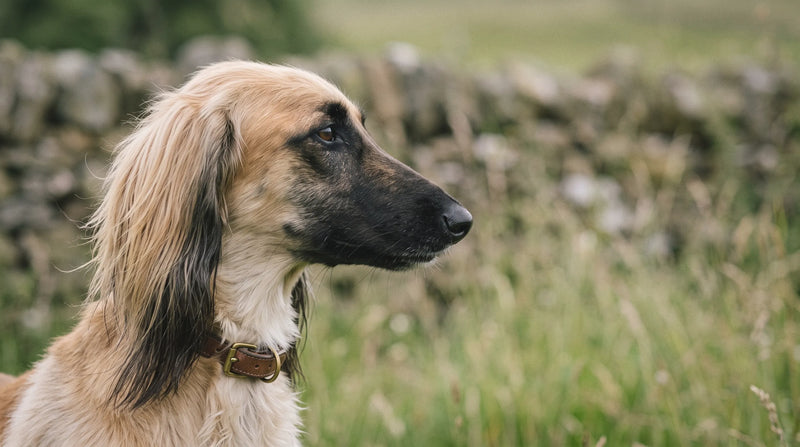
Lung Lobe Torsion in Dogs

Breeds documented
2
Published sources
3

Overview

A lung lobe can twist around its attachment to the chest, blocking the blood vessels that supply it. The damaged tissue may die, and fluid can collect around the lungs, making breathing difficult. This rare problem can occur without an obvious cause or alongside another chest disorder or injury. It can be life-threatening and usually requires surgery.

Signs to watch for

  • Fast breathing
  • Struggling to breathe
  • Coughing
  • Unusual tiredness
  • Loss of appetite

Reported from 3 months to more than 12 years of age.

Emergency Go to an emergency vet now if your dog is struggling to breathe.

Diagnosis and tests

Chest X-rays may reveal fluid around the lungs and changes in the affected lobe. Ultrasound, a CT scan or a camera examination of the airways can provide more evidence of a twist. Some cases can only be confirmed during surgery, when the vet can directly inspect the lung.

Breeds with documented risk

2 breeds

By breed size
  • 1 Small
  • 1 Large

Inheritance

  • Not yet known

    None of the sources we use states how this is inherited in dogs yet.

We've gathered what published sources say about this condition, so you can talk it through with your vet. It isn't veterinary advice: you and your vet know your dog best.

Sources

  1. pmc.ncbi.nlm.nih.gov
  2. Afghan Hound: pubmed.ncbi.nlm.nih.gov
  3. Pug: pubmed.ncbi.nlm.nih.gov