Progressive Retinal Atrophy 5 in Dogs

Category
Eye
Breeds documented
5
Published sources
5

Overview

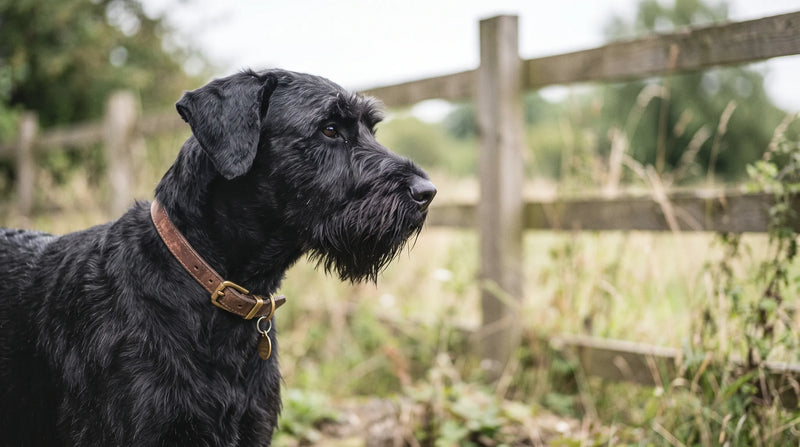
A change in the NECAP1 gene has been linked to an inherited retinal disorder in Giant Schnauzers. The retina, the light-sensitive tissue lining the back of the eye, gradually loses function as its cells degenerate. Vision worsens over time, and affected dogs can become blind. The original evidence came from a small family, and the gene change was described as a likely cause rather than a fully proven mechanism.

Signs to watch for

  • Hesitating in poorly lit places
  • Bumping into objects in unfamiliar surroundings
  • Reluctance to go down stairs
  • Unusually wide pupils

In the original Giant Schnauzer family, affected dogs were recognized around four years old.

When to get help Book a vet visit if your dog's vision seems worse in low light.

Diagnosis and tests

A veterinary eye specialist checks the retina for changes associated with progressive retinal atrophy. A DNA test is available for this variant. The NECAP1 gene change was identified in affected Giant Schnauzer littermates, and genetic findings should be interpreted with the clinical eye examination.

Breeds with documented risk

5 breeds

By breed size
  • 1 Toy
  • 2 Small
  • 1 Medium
  • 1 Large

Inheritance

  • Not yet known

    None of the sources we use states how this is inherited in dogs yet.

We've gathered what published sources say about this condition, so you can talk it through with your vet. It isn't veterinary advice: you and your vet know your dog best.

Sources

  1. mdpi.com
  2. vet.cornell.edu
  3. laboklin.com
  4. Dachshund: pubmed.ncbi.nlm.nih.gov
  5. Giant Schnauzer: omia.org