Progressive Retinal Atrophy, crd1 in Dogs

Category
Eye
Breeds documented
1
Published sources
6

Overview

This inherited form of progressive retinal atrophy damages the retina, the light-sensitive tissue at the back of the eye. Vision deteriorates while affected dogs are young and may be lost completely by early adulthood. As retinal cells stop working, everyday navigation becomes harder. The retinal degeneration itself is not painful.

Signs to watch for

  • Hesitating in dark rooms or outside after sunset.
  • Bumping into objects in unfamiliar places.
  • Pupils that look unusually large.

Vision loss begins early in life, with severe loss possible by early adulthood.

When to get help Book a vet visit when you notice changes in your dog's vision.

Diagnosis and tests
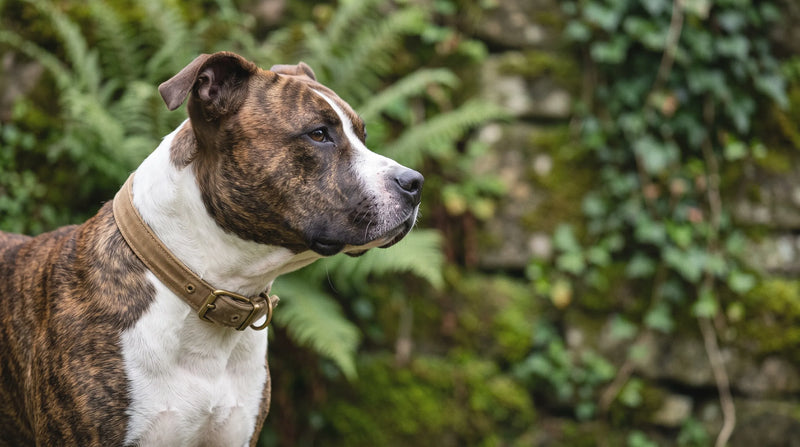
A veterinary eye specialist checks the retina for signs of degeneration. An electroretinogram measures how the retina responds to light and can detect problems before obvious changes appear. A DNA test is available for the PDE6B variant associated with this form.

Breeds with documented risk

1 breed

By breed size
  • 1 Medium

Inheritance

  • Not yet known

    None of the sources we use states how this is inherited in dogs yet.

We've gathered what published sources say about this condition, so you can talk it through with your vet. It isn't veterinary advice: you and your vet know your dog best.

Sources

  1. ofa.org
  2. vet.cornell.edu
  3. vet.tufts.edu
  4. merckvetmanual.com
  5. American Staffordshire Terrier: pubmed.ncbi.nlm.nih.gov
  6. American Staffordshire Terrier: omia.org