Saluki Neuronal Ceroid Lipofuscinosis in Dogs

Breeds documented
1
Published sources
5

Overview

Abnormal deposits collect inside nerve cells in this inherited disorder, gradually damaging their function. The Saluki form has been linked to a change in the CLN8 gene. Stored material can also build up in the retina, the light-sensitive tissue at the back of the eye. Affected dogs can become confused or anxious, have trouble eating, lose vision and develop seizures as signs worsen.

Signs to watch for

  • Appearing confused or disoriented
  • Unusual anxiety
  • Difficulty eating
  • Loss of vision
  • Seizures

Published Saluki cases developed signs at about one year of age.

Emergency Go to an emergency vet now if your dog is having a seizure.

Diagnosis and tests
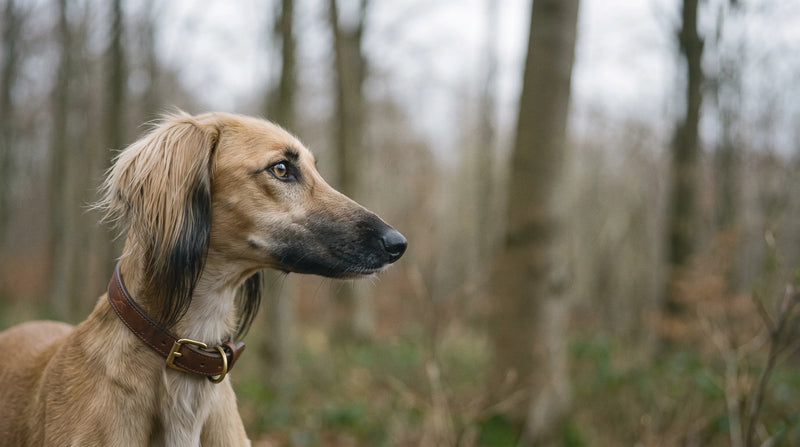
A DNA test exists for this variant. In a published Saluki study, researchers identified a change in the CLN8 gene in one affected dog and found the same change in a second case. Microscopic examination of brain and eye tissue in the first dog showed abnormal deposits consistent with this disorder.

Breeds with documented risk

1 breed

By breed size
  • 1 Large

Inheritance

  • Autosomal recessive

    Saluki

    A dog is affected only if it inherits two copies of the gene variant, one from each parent. A dog with one copy is a carrier: usually healthy, but able to pass the variant on. When two carriers are bred, on average one puppy in four is affected. A DNA test can tell clear, carrier and at-risk dogs apart.

    As stated by OMIA

We've gathered what published sources say about this condition, so you can talk it through with your vet. It isn't veterinary advice: you and your vet know your dog best.

Sources

  1. pubmed.ncbi.nlm.nih.gov
  2. europepmc.org
  3. pmc.ncbi.nlm.nih.gov
  4. vetmed.tamu.edu
  5. embarkvet.com