Spinal Muscle Atrophy in Dogs

Breeds documented
1
Published sources
4

Overview

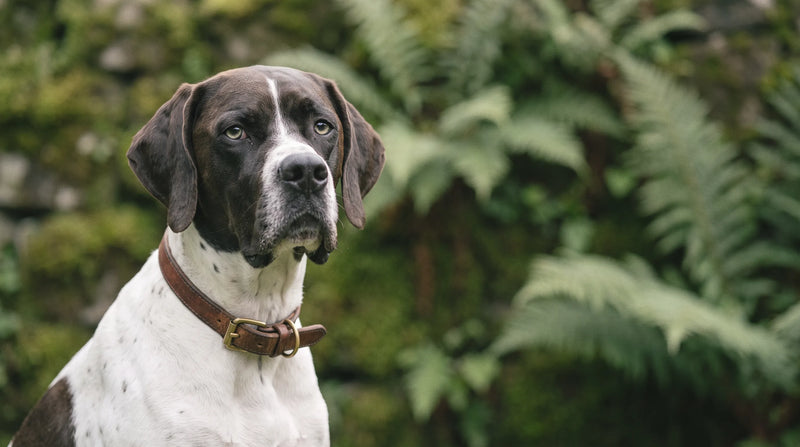
Damage to the nerve cells that control movement causes muscles to weaken and shrink. This disorder is also called spinal muscular atrophy. Affected dogs may shake, lose muscle and become progressively less able to move their legs. Different forms have been reported, with signs starting at different ages; English Pointers can be affected as young dogs.

Signs to watch for

  • Leg weakness that gradually gets worse
  • Shaking
  • Muscles becoming smaller

Some forms begin in early puppyhood; others start after a year of age.

Emergency Go to an emergency vet now if your dog cannot walk.

Diagnosis and tests
A vet examines muscle strength, muscle loss and reflexes. Electrical muscle testing and a muscle sample can help show that muscles have lost their nerve supply. A definite diagnosis relies on microscopic examination showing loss of movement-controlling nerve cells in the spinal cord and brainstem after death.

Breeds with documented risk

1 breed

By breed size
  • 1 Large

Inheritance

  • Autosomal dominant

    Brittany Spaniel

    One copy of the variant, from either parent, is enough to put a dog at risk. On average, an affected dog passes the variant to half of its puppies. Males and females are affected equally.

    As stated by OMIA

We've gathered what published sources say about this condition, so you can talk it through with your vet. It isn't veterinary advice: you and your vet know your dog best.

Sources

  1. merckvetmanual.com
  2. merckvetmanual.com
  3. merckvetmanual.com
  4. vetmed.tamu.edu