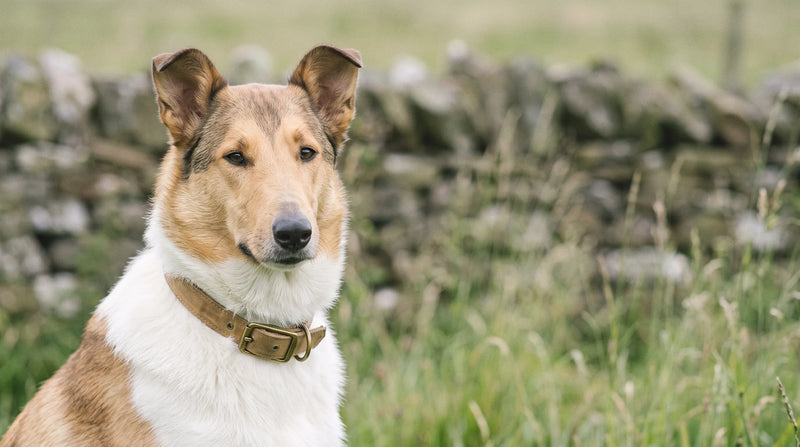
Vesicular cutaneous lupus erythematosus in Dogs

Breeds documented
3
Published sources
2

Overview

In this form of skin lupus, the immune system damages cells near the base of the outer skin layer. Fragile blisters break open and leave raw areas, usually on the belly, armpits, groin, and inner thighs. Sunlight can trigger or worsen the disease. The reported illness mainly affects the skin rather than causing general sickness.

Signs to watch for

  • Red patches with curved or ring-shaped edges
  • Fragile blisters that open into raw sores
  • Sores on the belly, groin, armpits, or inner thighs
  • Occasional sores near the lips or inside the ears
  • Licking raw areas, even without much scratching

Reported onset ranges from 2 to 11 years, often beginning in summer.

When to get help Arrange a vet visit promptly if red patches develop blisters or open sores.

Diagnosis and tests

Diagnosis combines the appearance and location of the sores with microscopic examination of skin samples. The vet looks for a particular pattern of immune-cell damage along the base of the outer skin layer. Other blistering and inflammatory skin diseases can look similar and must be considered.

Breeds with documented risk

3 breeds

By breed size
  • 1 Small
  • 2 Medium

Inheritance

  • Not yet known

    None of the sources we use states how this is inherited in dogs yet.

We've gathered what published sources say about this condition, so you can talk it through with your vet. It isn't veterinary advice: you and your vet know your dog best.

Sources

  1. pmc.ncbi.nlm.nih.gov
  2. merckvetmanual.com