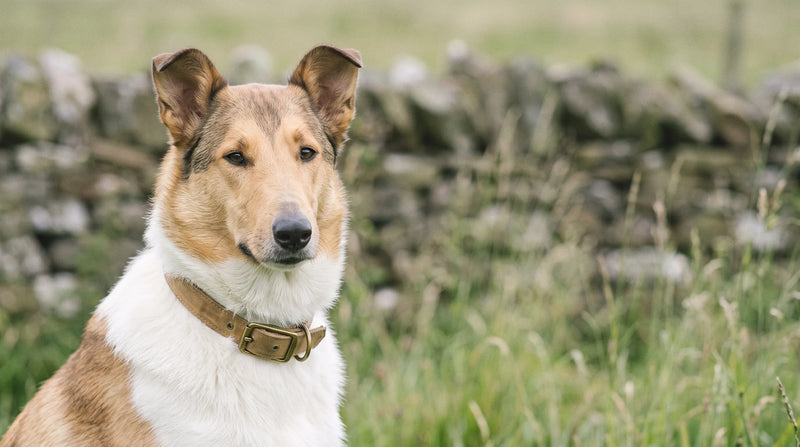
Vitiligo in Dogs

Breeds documented
3
Published sources
1

Overview

Patches of skin or hair can lose their normal color when pigment-producing cells are lost. With vitiligo, this often begins around the face, especially the lips, gums, nose, or eyelids. Some dogs develop changes in other areas, including the feet and coat. The color change is generally cosmetic rather than a sign of damaged skin.

Signs to watch for

  • Pale or white patches where skin was previously darker
  • Lightening of the lips, gums, nose, or eyelids
  • White hairs or lighter patches in the coat
  • Occasional lightening of the footpads or claws

It often starts in young adults, but reported onset ranges from puppyhood to older age.

When to get help Book a routine vet visit if you notice new pale patches on the skin or coat.

Diagnosis and tests

A vet reviews when the color changes began and examines the affected areas. Many cases can be recognized without a skin biopsy. When a tissue sample is needed, it can show loss of pigment-producing cells while the skin structure remains largely normal.

Breeds with documented risk

3 breeds

By breed size
  • 1 Medium
  • 2 Large

Inheritance

  • Not yet known

    None of the sources we use states how this is inherited in dogs yet.

We've gathered what published sources say about this condition, so you can talk it through with your vet. It isn't veterinary advice: you and your vet know your dog best.

Sources

  1. pmc.ncbi.nlm.nih.gov