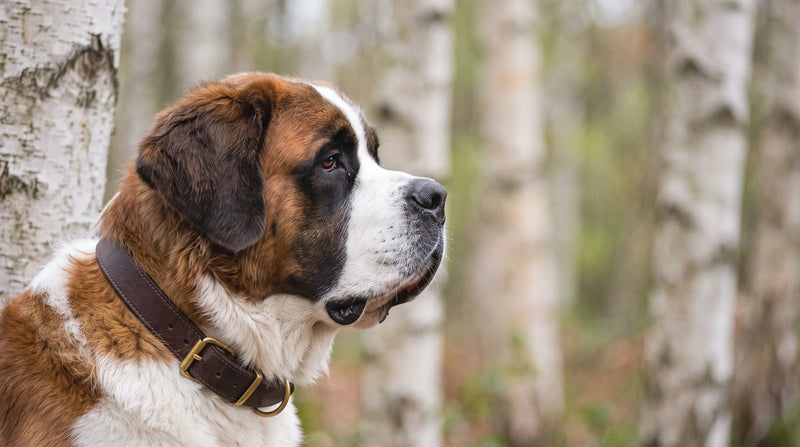
Wobbler Syndrome in Dogs

Breeds documented
2
Published sources
1

Overview

Pressure on the spinal cord in the neck can make a dog walk unsteadily and become weak. Known as Wobbler syndrome, this problem mainly affects large and giant dogs, although smaller dogs can develop it too. Changes in the neck bones, cushioning discs, or surrounding space can compress the cord and nearby nerves. Some dogs also have neck pain, and advanced disease can affect all four legs.

Signs to watch for

  • A wobbly walk, especially in the hind legs
  • Walking with the head held low
  • Difficulty standing up
  • Weakness affecting several legs
  • Front legs that buckle

Onset varies by form: some dogs are affected young, while others develop signs in middle or older age.

When to get help Arrange a vet visit promptly for an unsteady walk, weakness, or neck pain.

Diagnosis and tests

The vet performs physical and nervous system examinations to check whether walking problems come from the neck. X-rays can help reveal bone changes and exclude some other conditions, but advanced imaging is needed to confirm Wobbler syndrome. MRI scans give detailed views of the spinal cord and nearby tissues; CT scans may also be used.

Breeds with documented risk

2 breeds

By breed size
  • 2 Giant

Inheritance

  • Not yet known

    None of the sources we use states how this is inherited in dogs yet.

We've gathered what published sources say about this condition, so you can talk it through with your vet. It isn't veterinary advice: you and your vet know your dog best.

Sources

  1. vet.osu.edu