
Kai Ken
- Medium
- Miscellaneous Class
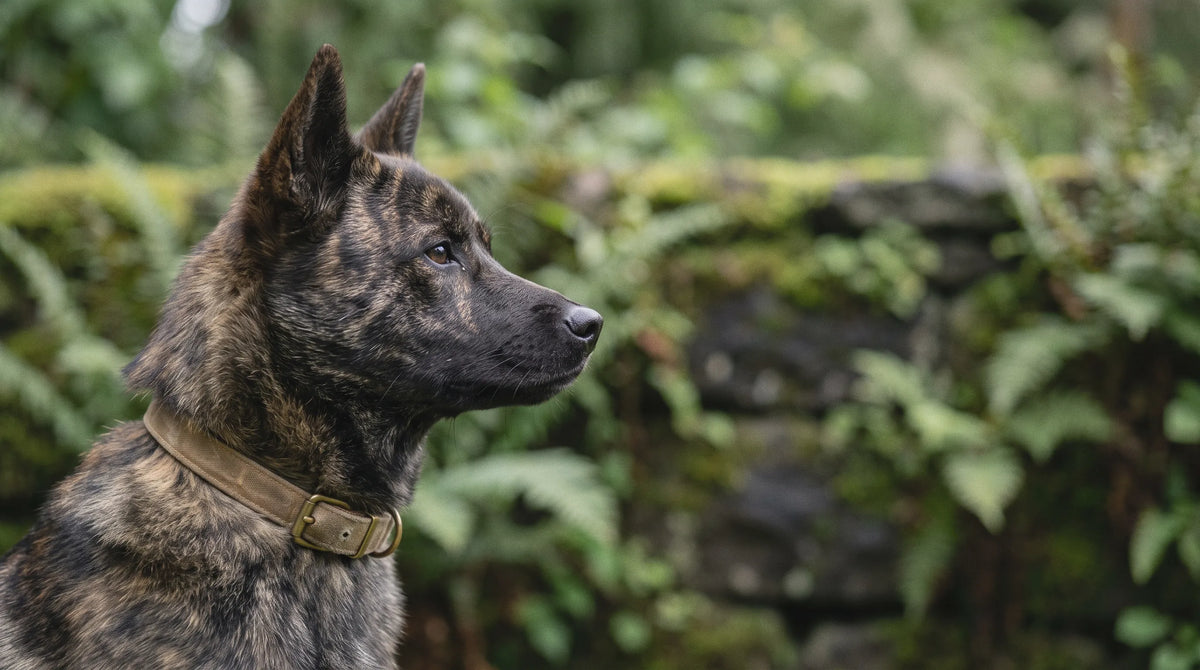
The Kai Ken is an agile Japanese hunting dog known for its tiger-striped brindle coat and deep loyalty to family. Athletic, intelligent, and naturally clean, this medium breed thrives in an active, attentive home.
- Height
- 15.5 to 19.5
- inches at the shoulder
- Males 18.5 to 19.5, females 15.5 to 17 in
- Weight
- 25 to 40
- pounds, adult
- Males 30 to 40, females 25 to 35 lb
- Life expectancy
- 12 to 15
- years, median 13.5
- Senior from
- 10.1
- years, about
Senior starts in the last quarter of a breed's expected lifespan, following the 2019 AAHA canine life stage guidelines. Individual dogs vary.
About the breed
- Temperament
- Loyal, intelligent, agile
- Coat
- Double, medium
- Origin
- Japan
The Kai Ken is a medium-sized Japanese breed, athletic and intelligent with a strong drive to hunt. An independent thinker, the Kai forms a close bond with its family. These dogs swim and climb well, and they have been known to climb trees and cross rivers in pursuit of game.
The breed's signature is its brindle coat, which comes in three colors: Black Brindle (Kuro-Tora), Brindle (Chu-Tora), and Red Brindle (Aka-Tora). Red brindle is the rarest. The coloring and pattern once let the dog blend into the mountainous forests where it hunted, hiding it from prey and predators.
The amount and pattern of brindle vary from dog to dog. Most puppies are born completely black, and their brindle emerges with age, continuing to change for about the first five years of life.
Temperament and needs
Scored 1 to 5 for the breed overall. Individual dogs vary.
- Affectionate with family5 out of 5
- Good with young children3 out of 5
- Good with other dogs3 out of 5
- Openness to strangers1 out of 5
- Playfulness3 out of 5
- Watchdog and protective nature5 out of 5
- Adaptability3 out of 5
- Trainability3 out of 5
- Energy level3 out of 5
- Mental stimulation needs3 out of 5
- Barking level3 out of 5
- Shedding3 out of 5
- Grooming frequency1 out of 5
- Drooling1 out of 5
Care
The routines that matter most for this breed. Open one at a time.
Nutrition
The Kai Ken does well on high-quality dog food, whether commercially manufactured or home-prepared with your veterinarian's supervision and approval. Match the diet to the dog's life stage: puppy, adult, or senior.
Kai Ken tend to self-regulate their intake, so the amount they eat can vary from day to day. Free-feeding works fine for this breed as long as the dog holds a healthy weight. Treats help with training, but too many can lead to weight gain, so account for them in the daily total.
Learn which human foods are safe for dogs and which are not, and keep clean, fresh water available at all times. Check with your vet if you have any concerns about your dog's weight or diet.
Grooming
The Kai Ken carries a medium-length double coat and is a low-maintenance, naturally clean breed. These dogs need few baths and usually don't develop a smell, so bathe only when the dog is dirty.
As a double-coated breed, the Kai sheds its undercoat twice a year. During those semi-annual coat blows, extra brushing and bathing help clear the thick undercoat. The rest of the year, occasional brushing to remove loose fur keeps the coat in good condition.
Trim the nails regularly with a clipper or grinder to prevent overgrowth, splitting, and cracking. Check the ears regularly for wax and debris, and brush the teeth regularly.
Exercise
The Kai Ken is a moderately active breed that needs daily exercise and mental stimulation. Good options include play in a fenced backyard or several walks a day. Indoor activities work too, such as hide-and-seek, chasing a ball rolled along the floor, or learning new tricks. Without enough exercise, a Kai can grow stressed and turn destructive indoors.
Fast-paced sports use the Kai Ken's speed and stamina. Tracking, hunting, lure coursing, dock diving, flyball, agility, and obedience provide exercise, and Kai Ken are strong swimmers.
In an unsecured outdoor area, always keep your Kai Ken on a leash, or the dog may follow its instinct to hunt and run off. With regular walks and enough activity, the breed adapts well to apartment living.
Training
Kai Ken are smart and eager to please, which makes them a pleasure to train. They are often considered soft dogs in training, so use positive, reward-based methods. Praise, treats, and toys strengthen your bond and lead to more training success, while harsh methods do not work with this breed.
Start early to build a solid foundation. The Kai Ken is less independent and more willing to please its owner than other native Japanese breeds, but consistent training still matters, since it tempers the dog's guarding instincts.
Early socialization, including calm introductions to strangers and unfamiliar dogs, reduces defensive or aggressive tendencies and helps the Kai settle into family life.
Health conditions
2 conditions are documented for the Kai Ken.
A predisposition is not a diagnosis. Ask your vet which screenings make sense for your dog's age.

Sources
Thank you. Your report is in, and we will check this page.
Longevity & Vitality soft chew
Longevity & Vitality is a daily chew built on five active ingredients. Each chew carries Turkey Tail at 600mg, Curcuvet® curcumin at 75mg, Quercefit® quercetin at 40mg, Fibalance® at 275mg and EpiCor® at 50mg. The daily serving follows your dog's weight, from half a chew to three.
