

Norwegian Lundehund
- Small
- Non-Sporting Group
- Popularity rank 202
The Norwegian Lundehund is a small Norwegian spitz with six toes on each foot, a neck that bends back to the spine, and ears that fold shut. Bred to hunt puffins on rocky cliffs, it is alert, loyal, and full of energy.
- Height
- 12 to 15
- inches at the shoulder
- Weight
- 13 to 20
- pounds, adult
- Males 15 to 18 lb
- Life expectancy
- 12 to 15
- years, median 13.5
- Senior from
- 10.1
- years, about
Senior starts in the last quarter of a breed's expected lifespan, following the 2019 AAHA canine life stage guidelines. Individual dogs vary.
About the breed
- Temperament
- Alert, loyal, energetic
- Coat
- Double, short
- Origin
- Norway
- Recognized
- 2011
2015: rank 182, 2016: rank 188, 2017: rank 190, 2018: rank 191, 2019: rank 194, 2020: rank 195, 2021: rank 197, 2022: rank 198, 2023: rank 198, 2024: rank 198, 2025: rank 202
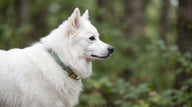
The Norwegian Lundehund is a small northern spitz with triangular ears, a curving tail, and a dense double coat. Each foot has at least six fully functioning toes and extra paw pads. Its elastic neck can bend until the head touches the spine, its ears can fold completely shut, and its flexible shoulders allow the forelegs to extend straight out to the side. The shoulder flexibility produces the breed's distinctive rotary gait.
This spitz stands 12 to 15 inches tall and weighs 13 to 20 pounds. It comes from Norway, where its nickname, the Puffin dog, points to its history. Those flexible feet, spine, shoulders, and folding ears once helped it navigate rocky crags and caves while hunting puffins.
Lundies are alert, loyal, and energetic, with a fox-like face that is usually the first thing people notice. The small size makes them adaptable to an apartment or a house, and their loyal, playful nature makes them good family dogs. The breed is prone to a few gastrointestinal issues, so diet and care need attention. With proper care, the average Norwegian Lundehund lives 12 to 15 years.
Temperament and needs
Scored 1 to 5 for the breed overall. Individual dogs vary.
- Affectionate with family5 out of 5
- Good with young children3 out of 5
- Good with other dogs3 out of 5
- Openness to strangers3 out of 5
- Playfulness3 out of 5
- Watchdog and protective nature3 out of 5
- Adaptability3 out of 5
- Trainability3 out of 5
- Energy level3 out of 5
- Mental stimulation needs3 out of 5
- Barking level4 out of 5
- Shedding3 out of 5
- Grooming frequency2 out of 5
- Drooling1 out of 5
Care
The routines that matter most for this breed. Open one at a time.
Nutrition
Feed adults two meals a day. Puppies may need to eat more often, up to four times a day. Some Lundies gain weight easily, so watch calorie intake and weight. Treats help with training, but too many lead to obesity. A healthy Lundie also needs enough calories to fuel an active nature, so follow the feeding guidelines for your chosen formula or ask your vet.
Because the breed has a sensitive digestive tract, follow your veterinarian's advice on the type and amount of food closely. If you notice lethargy or weight loss, more calories may not be the answer; these can be signs of gastrointestinal trouble, so make a vet appointment right away.
Because the breed is prone to small intestinal bacterial overgrowth, discuss diet and treatment with your veterinarian. If blood work shows low B12, follow the veterinary plan rather than adding anything independently.
Grooming
The Norwegian Lundehund has a low-maintenance double coat, with a harsh outer coat over a dense, soft undercoat. A weekly brushing removes dirt and loose hair and keeps the coat in good shape. The double coat repels dirt well and protects the skin underneath, so the breed needs no special skin care. An occasional bath helps when a Lundie gets especially dirty from outdoor activity.
Twice a year, in fall and spring, a Lundehund sheds far more than usual. Increase brushing during those weeks to keep up with the heavier coat.
Inspect the ears regularly and clean them when needed, including after the dog has been in water such as a bath, using a veterinarian-recommended ear cleaner. Watch for signs of infection or irritation. Keep an eye on the eyes too, and contact your veterinarian right away if you notice cloudiness, irritation, or discharge.
Check the Lundehund's six-toed feet regularly and trim overgrown nails before they interfere with movement. Maintain a consistent dental-care routine.
Exercise
The Norwegian Lundehund has a medium to high energy level and needs physical exercise every day. A brisk 30-minute walk or a couple of ball-chasing sessions can meet that need. Daily activity provides mental stimulation and helps the dog stay content, and Lundehunds often prefer activities they can do with their people, such as a walk around the block or a game of fetch.
Most Lundehunds have a balanced disposition: they are not overly hyperactive, skittish, or needy. They enjoy time with their people but are not especially cuddly and rarely behave as lap dogs. They alert-bark at unfamiliar sights and sounds but are less likely to bark persistently when they receive enough exercise and mental activity to prevent boredom.
The Norwegian Lundehund has an unusual appearance, an inquisitive personality, and a compact but sturdy build. The breed is hard to house train, and its gastrointestinal health calls for a more experienced owner.
Training
The Lundehund is very sensitive and can develop trust issues, so harsh training methods should never be used. Early socialization and puppy classes help the dog grow into a well-adjusted, well-mannered companion.
Lundehunds are intelligent, playful, independent, and loyal dogs with problem-solving ability. They can be easy to train and learn quickly, but they need clear motivation. Training should be patient, consistent, and adaptable, with positive reinforcement and short sessions; a heavy hand should be avoided.
The breed can take longer than some to potty train and leash train, owing to that independent nature.
With proper socialization, the Lundehund's playful nature lets it get along with other pets and children, though it can stay aloof and reserved with strangers. These challenges mean a Lundie is not always the right choice for a first-time owner, and guidance from an experienced trainer can help.
Health conditions
4 conditions are documented for the Norwegian Lundehund.
A predisposition is not a diagnosis. Ask your vet which screenings make sense for your dog's age.
- Inflammatory Bowel DiseaseDigestive
- Lundehund SyndromeDigestive
- Protein-Losing EnteropathyDigestive
- Small Intestinal Bacterial OvergrowthDigestive
Sources
- American Kennel Club: Norwegian Lundehund
- PetMD: Norwegian Lundehund
- Wisdom Panel: Norwegian Lundehund
Thank you. Your report is in, and we will check this page.
Longevity & Vitality soft chew
Longevity & Vitality is a daily chew built on five active ingredients. Each chew carries Turkey Tail at 600mg, Curcuvet® curcumin at 75mg, Quercefit® quercetin at 40mg, Fibalance® at 275mg and EpiCor® at 50mg. The daily serving follows your dog's weight, from half a chew to three.
