Lundehund Syndrome in Dogs

Category
Digestive
Breeds documented
1
Published sources
4

Overview

A diseased small intestine can lose proteins and fail to absorb nutrients properly. Lundehund syndrome combines this problem with intestinal inflammation and abnormal widening of the intestinal lymph vessels. It is particularly associated with the Norwegian Lundehund. Affected dogs can develop vomiting, diarrhea, weight loss and swelling as blood protein levels fall.

Signs to watch for

  • Diarrhea that may return repeatedly
  • Vomiting
  • Weight loss
  • Low energy or unusual listlessness
  • A swollen belly or swollen legs

First signs varied from 2.5 to 10.5 years of age in one study.

Emergency See a vet immediately if your dog has vomiting, diarrhea and lethargy.

Diagnosis and tests
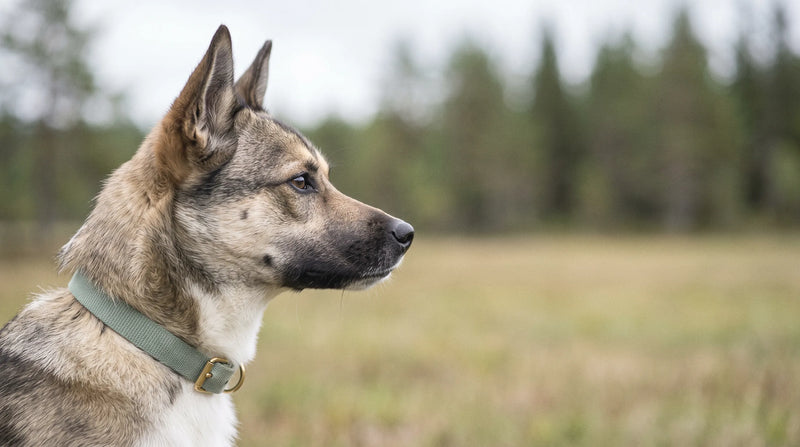
Blood tests look for loss of proteins, especially albumin, alongside the digestive signs. The vet also checks for other causes of diarrhea, weight loss and low blood protein. For the intestinal disease, imaging and small tissue samples called biopsies may help identify inflammation and abnormal lymph vessels.

Breeds with documented risk

1 breed

By breed size
  • 1 Small

Inheritance

  • Autosomal recessive

    A dog is affected only if it inherits two copies of the gene variant, one from each parent. A dog with one copy is a carrier: usually healthy, but able to pass the variant on. When two carriers are bred, on average one puppy in four is affected. A DNA test can tell clear, carrier and at-risk dogs apart.

    As stated by OMIA

We've gathered what published sources say about this condition, so you can talk it through with your vet. It isn't veterinary advice: you and your vet know your dog best.

Sources

  1. OMIA: Lundehund syndrome: omia.org
  2. msdvetmanual.com
  3. europepmc.org
  4. europepmc.org