
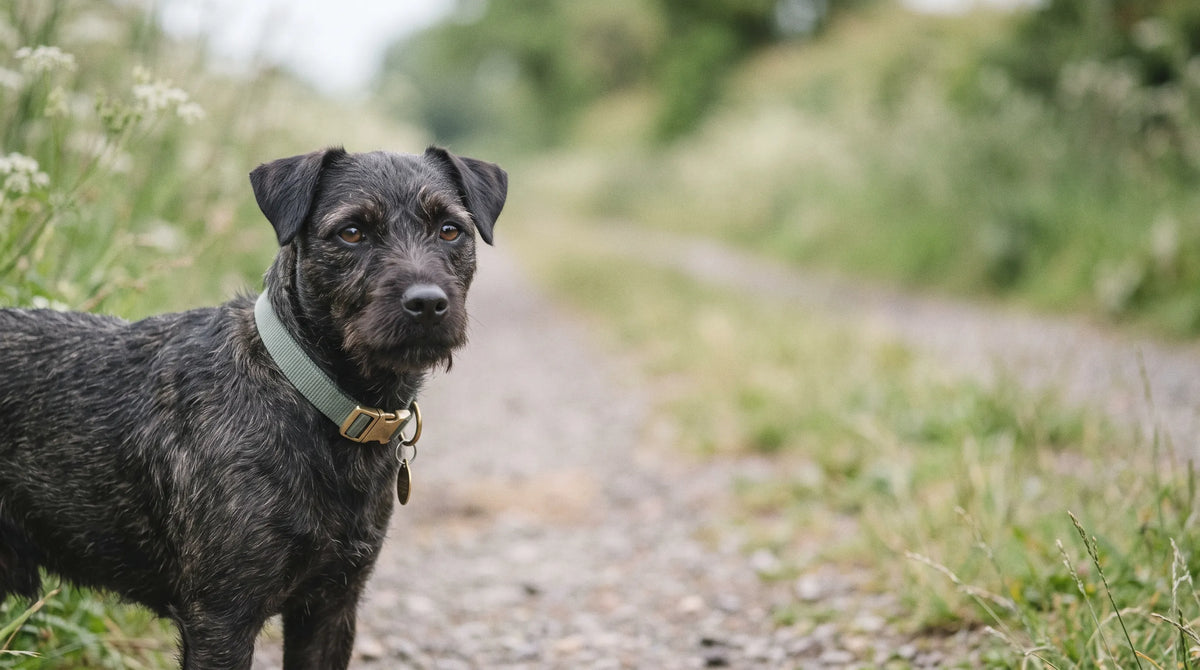
Patterdale Terrier
- Small
- UKC Terrier Group
The Patterdale Terrier is a small, sturdy working terrier from northern England, feisty and loyal with energy to spare. Bred to flush foxes from rocky dens, this high-energy dog is best suited to experienced owners.
- Height
- 10 to 15
- inches at the shoulder
- Weight
- 10 to 17
- pounds, adult
- Life expectancy
- 10 to 12
- years, median 11
- Senior from
- 8.2
- years, about
Senior starts in the last quarter of a breed's expected lifespan, following the 2019 AAHA canine life stage guidelines. Individual dogs vary.
About the breed
- Origin
- United Kingdom
- Recognized
- 1995
The Patterdale Terrier is a small, sturdy dog with a square body, a strong neck, and strong jaws, plus enough flexibility to squeeze through tight passageways when tracking quarry. It is a terrier through and through: feisty, loyal, and a good fit for experienced pet parents who want a hard-working, high-energy companion.
These are social dogs that like to be around their people. They are prone to separation anxiety and can be destructive if left alone for long periods. A strong prey drive may make the breed a poor match for homes with other small pets, so a secure, fenced yard helps keep both the dog and the neighborhood critters safe.
The breed originated in the rugged Lake District of northern England. Experts believe it descends from the fell terrier, a group of long-legged working terriers from Great Britain rather than a single breed. Sometimes called the Fell Patterdale or Borderlakeland, the Patterdale is considered a subtype of the Lakeland Terrier.
British farmers used the Patterdale to hunt foxes that threatened their flocks, either flushing them from rocky dens or dispatching them if they fought back. When the breed reached the United States it kept working, hunting raccoons, nutria, and fox. A major US kennel registry recognized the Patterdale Terrier in 1995. The breed is responsive and eager to please.
Care
The routines that matter most for this breed. Open one at a time.
Nutrition
Patterdale Terriers do well on a high-quality diet formulated for their life stage, whether puppy, adult, or senior, and matched to their energy level.
To help your dog hold a healthy weight, watch food intake and measure portions to avoid overfeeding. Treats should make up no more than 10 percent of daily calories.
Patterdales may become possessive of food at mealtimes. If you notice signs of aggression or resource guarding, talk with your veterinarian or a trainer about ways to address the behavior.
Grooming
Brush your Patterdale's coat weekly with a slicker brush to remove loose hair. This also helps prevent tangles on the longer-haired coat types.
Trim the nails, clean the ears, and bathe the dog as needed.
Start a good dental hygiene program too. Dental disease is one of the most common health conditions in adult dogs, so professional cleanings and at-home teeth brushing help keep your pup's mouth healthy.
Exercise
Patterdale Terriers need regular, consistent exercise that engages both body and mind. Outdoors, the dog needs firm control through a lead or a secure enclosure.
Free roaming is unsafe even in remote country, and yard time requires supervision because a Patterdale may dig beneath fencing. Containing a Patterdale that pursues game calls for an enclosure tall enough to prevent a jump, with the fence base secured firmly in the ground.
Training
True to their terrier ways, Patterdales are both intelligent and stubborn. Use a firm but gentle approach, and keep sessions fun and engaging with plenty of positive reinforcement.
Early socialization matters. Introducing a puppy to different people and environments while young helps it grow into a well-adjusted adult and keeps it from becoming fearful of or reactive toward strangers.
Health conditions
1 condition is documented for the Patterdale Terrier.
A predisposition is not a diagnosis. Ask your vet which screenings make sense for your dog's age.
Longevity & Vitality soft chew
Longevity & Vitality is a daily chew built on five active ingredients. Each chew carries Turkey Tail at 600mg, Curcuvet® curcumin at 75mg, Quercefit® quercetin at 40mg, Fibalance® at 275mg and EpiCor® at 50mg. The daily serving follows your dog's weight, from half a chew to three.
