

Schipperke
- Small
- Non-Sporting Group
- Popularity rank 110
The Schipperke is a small Belgian dog with a foxy face and a thick black coat. Bred as a ratter and watchdog, this alert, curious, and confident little companion packs big energy and a busy mind into a 10 to 16 pound frame.
- Height
- 10 to 13
- inches at the shoulder
- Weight
- 10 to 16
- pounds, adult
- Life expectancy
- 12 to 16
- years, median 14
- Senior from
- 10.5
- years, about
Senior starts in the last quarter of a breed's expected lifespan, following the 2019 AAHA canine life stage guidelines. Individual dogs vary.
About the breed
- Temperament
- Alert, curious, confident
- Coat
- Double, short
- Origin
- Belgium
- Recognized
- 1904
2015: rank 109, 2016: rank 112, 2017: rank 110, 2018: rank 105, 2019: rank 108, 2020: rank 114, 2021: rank 115, 2022: rank 115, 2023: rank 113, 2024: rank 106, 2025: rank 110
The Schipperke is a small dog from Belgium, standing 10 to 13 inches tall and weighing 10 to 16 pounds. It was created as a ratter and watchdog, with strong jaws, neck, and forequarters and a stealthy, catlike hunting style that made it an efficient rat-catcher.
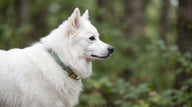
The look is distinctive. A profuse black coat grows thick around the neck, shoulders, and legs, framing a substantial body, and a foxy face completes the silhouette. The breed belongs to the Non-Sporting Group and was recognized in 1904.
Temperament is alert, curious, and confident. Schipperkes are busy, playful little dogs that stay interested in everything around them, loyal to their people while keeping an independent streak.
Temperament and needs
Scored 1 to 5 for the breed overall. Individual dogs vary.
- Affectionate with family5 out of 5
- Good with young children3 out of 5
- Good with other dogs3 out of 5
- Openness to strangers3 out of 5
- Playfulness4 out of 5
- Watchdog and protective nature5 out of 5
- Adaptability4 out of 5
- Trainability4 out of 5
- Energy level3 out of 5
- Mental stimulation needs3 out of 5
- Barking level4 out of 5
- Shedding3 out of 5
- Grooming frequency2 out of 5
- Drooling1 out of 5
Care
The routines that matter most for this breed. Open one at a time.
Nutrition
Feed your Schipperke a high-quality dog food matched to its life stage (puppy, adult, or senior) and activity level. The right amount depends on size, metabolism, health, and lifestyle, so measure each meal and avoid free-feeding, which can lead to obesity. Your veterinarian can help calculate caloric needs, and the food label gives useful guidance too. Keep clean, fresh water available at all times.
A typical feeding schedule looks like this:
- Adults: a measured amount split into two meals a day
- Puppies: at least three meals a day to help keep blood sugar steady
Serving meals in a snuffle mat or slow feeder adds a little mental work at mealtime. Schipperkes may also benefit from added omega-3 fatty acids, found in fish oil, some skin and joint supplements, and certain formulated dog foods. Omega-3s support the skin, coat, joints, kidneys, and heart.
Check with your vet or breeder if you have questions about your dog's weight or diet.
Grooming
Brush the Schipperke double coat weekly for most of the year to remove dead hair. Professional grooming is not usually required.
Shedding picks up once or twice a year, usually in spring and fall. During these seasons, daily brushing helps clear the cast-off undercoat and keeps loose hair under control. A bath every so often is plenty, and a monthly bath at most will do.
Trim the nails regularly, since overly long nails cause discomfort. Schipperkes have no special ear-care needs. Clean the ears every couple of weeks and brush the teeth regularly. There are no special eye-care needs either. Contact your veterinarian if you notice skin changes, squinting, or eye discharge.
Exercise
Schipperkes are active, energetic little dogs. A brisk daily walk or a romp in a fenced yard usually covers their exercise needs, and they will happily race around the house to burn off extra steam. This breed needs plenty of outlets for its energy, including brain work like puzzles and games.
Without enough to do, a bored Schipperke may turn into a barker, chewer, or digger, and leaving one alone for long stretches with nothing to occupy its mind can mean coming home to shredded pillows or a dug-up flower bed. Many also enjoy canine sports such as rally, agility, flyball, and competitive obedience.
Keep your Schipperke on leash or inside a fenced space outdoors. The little explorer tends to wander off, ignore the recall, and may dart after a squirrel. Its history as a rodent hunter gives some Schipperkes a high prey drive, and they will chase small birds, rodents, reptiles, and sometimes cats.
A Schipperke can settle at home after adequate exercise and mental stimulation. The breed suits active families prepared to provide exercise and socialization.
Training
Schipperkes are intelligent and trainable, but their independent nature can make training a challenge, since they often follow instinct over a command. Patience and persistence are the keys. With consistent, patient training, Schipperkes can learn obedience skills and may do well in agility or herding.
Use positive, rewards-based methods with treats, toys, and praise; harsh criticism does not work. These dogs can be strong-willed and may get bored with standard drills, so keep sessions quick and interesting, and lean on fast-paced games and puzzles to hold their attention. Because watchdog instincts can lead to barking, early guidance and regular reinforcement help build good habits, including reduced barking. Train the recall as early as possible, since the urge to go exploring runs strong.
Do not skip socialization. Expose your dog to children, cats, and other dogs in supervised settings early so it feels confident around unfamiliar people, pets, and situations. Careful introductions can teach a Schipperke that feline family members are not for chasing, though homes with smaller pets can still be tricky.
Schipperkes are confident, devoted, and patient with children who handle them gently.
Health conditions
7 conditions are documented for the Schipperke.
A predisposition is not a diagnosis. Ask your vet which screenings make sense for your dog's age.
- Dental DiseaseOral & Dental
- HypothyroidismHormonal
- Legg-Calve-Perthes DiseaseBone & Joint
- Mucopolysaccharidosis Type IIIBNervous System & Behavioral
- Patellar LuxationBone & Joint
Show all 7 conditions Show fewer
- Pemphigus foliaceusSkin & Connective Tissue
- Progressive Retinal AtrophyEye
Sources
Thank you. Your report is in, and we will check this page.
Longevity & Vitality soft chew
Longevity & Vitality is a daily chew built on five active ingredients. Each chew carries Turkey Tail at 600mg, Curcuvet® curcumin at 75mg, Quercefit® quercetin at 40mg, Fibalance® at 275mg and EpiCor® at 50mg. The daily serving follows your dog's weight, from half a chew to three.
