Mucopolysaccharidosis Type IIIB in Dogs

Breeds documented
1
Published sources
5

Overview

A shortage of an enzyme called NAGLU allows heparan sulfate to collect in the cell recycling compartments, called lysosomes. This inherited storage disorder mainly harms the nervous system. In Schipperkes, it leads to movement problems that gradually become more severe, sometimes with tremors and changes in behavior. A dog may look healthy when young and develop signs only as an adult.

Signs to watch for

  • An increasingly unsteady walk
  • Trembling
  • Becoming less alert or unusually tired
  • Loss of interest in food
  • Unexpected changes in behavior, including aggression

Signs often begin at around two years of age in Schipperkes.

When to get help Book a vet visit for an unsteady walk, tremors or changes in behavior.

Diagnosis and tests
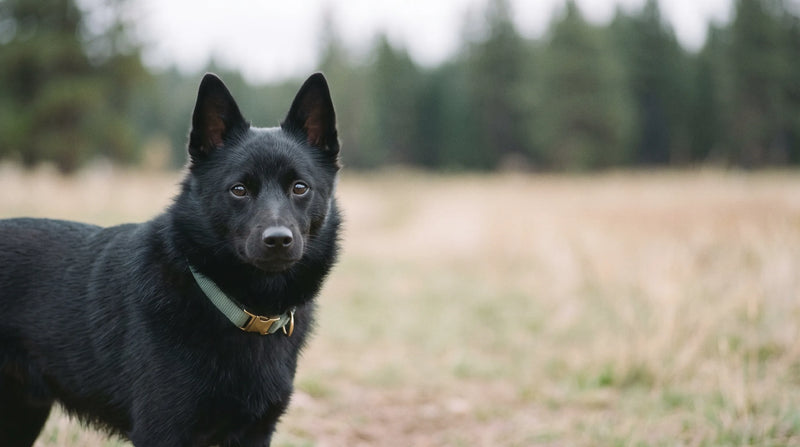
A DNA test can identify the NAGLU variant responsible for the reported Schipperke form of MPS IIIB. Testing can distinguish dogs with two copies of the variant from healthy carriers and dogs without it. Specialist laboratories can also arrange enzyme testing when this storage disorder is suspected.

Breeds with documented risk

1 breed

By breed size
  • 1 Small

Inheritance

  • Not yet known

    None of the sources we use states how this is inherited in dogs yet.

We've gathered what published sources say about this condition, so you can talk it through with your vet. It isn't veterinary advice: you and your vet know your dog best.

Sources

  1. ebi.ac.uk
  2. netapps.vet.upenn.edu
  3. netapps.vet.upenn.edu
  4. Schipperke: pubmed.ncbi.nlm.nih.gov
  5. Schipperke: omia.org