
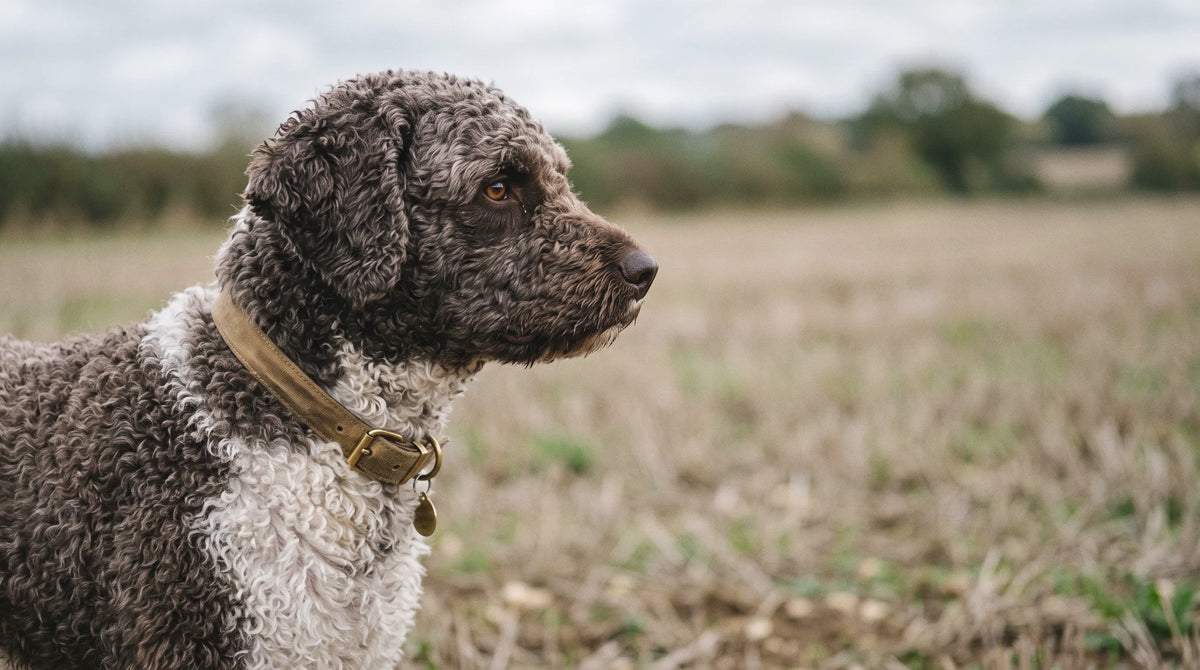
Spanish Water Dog
- Medium
- Herding Group
- Popularity rank 167
The Spanish Water Dog is a rustic, medium-sized herder from Spain, known for a curly, wooly coat that can grow into tight cords. Upbeat, very active, and eager to please, it thrives with a job to do and steady activity.
- Height
- 15.75 to 19.75
- inches at the shoulder
- Weight
- 31 to 49
- pounds, adult
- Life expectancy
- 12 to 14
- years, median 13
- Senior from
- 9.8
- years, about
Senior starts in the last quarter of a breed's expected lifespan, following the 2019 AAHA canine life stage guidelines. Individual dogs vary.
About the breed
- Temperament
- Upbeat, Playful but also work-oriented, Very Active
- Coat
- Curly, Corded, medium
- Origin
- Spain
- Recognized
- 2015
2015: rank 167, 2016: rank 162, 2017: rank 148, 2018: rank 153, 2019: rank 146, 2020: rank 149, 2021: rank 145, 2022: rank 163, 2023: rank 144, 2024: rank 147, 2025: rank 167
The Spanish Water Dog, also known as the Perro de Agua Espanol, is a sturdy, athletic, medium-sized member of the Herding Group. For over 800 years it has been a steady presence in the Spanish countryside, working as a versatile dog skilled at herding, hunting, and helping people as they fished. Its water-repellent coat suits varied weather and water work like swimming.
The breed stands about 15 to 20 inches at the shoulder and weighs 31 to 49 pounds, with males standing a little under 20 inches. "Rustic" is the word often used for this dog. Its look starts with the coat, which is curly and wooly head to toe and, when grown out, often forms tight, tapered cords. In full coat, the facial hair covers the expressive brown eyes. Colors include black, brown, beige, white, or particolor (black, brown, or beige with white).
The breed is upbeat, playful, work-oriented, active, intelligent, loyal, friendly, and affectionate. It needs regular exercise and mental activity.
Temperament and needs
Scored 1 to 5 for the breed overall. Individual dogs vary.
- Affectionate with family5 out of 5
- Good with young children4 out of 5
- Good with other dogs3 out of 5
- Openness to strangers3 out of 5
- Playfulness4 out of 5
- Watchdog and protective nature3 out of 5
- Adaptability3 out of 5
- Trainability4 out of 5
- Energy level4 out of 5
- Mental stimulation needs5 out of 5
- Barking level3 out of 5
- Shedding1 out of 5
- Grooming frequency4 out of 5
- Drooling2 out of 5
Care
The routines that matter most for this breed. Open one at a time.
Nutrition
Spanish Water Dogs do well on a high-quality dog food, whether commercially manufactured or home-prepared with your veterinarian's supervision and approval. Match the diet to the dog's life stage (puppy, adult, or senior), and factor in activity level when you choose a food and its protein and fat levels. Some owners run into occasional food allergies, so check with your vet about any concerns over diet.
Some dogs gain weight easily, so watch calorie intake and weight. Treats help with training, but too many can lead to obesity, and it helps to learn which human foods are safe for dogs and which are not. Keep clean, fresh water available at all times.
These dogs are strong chewers and enjoy a substantial knuckle-bone from time to time, which can help keep their teeth clean.
Grooming
Two rules matter most: never brush the coat, and keep it the same length all over. The curly coat sheds very little. How often you clip is up to your preference for length, and some owners let it grow for many months to form cords. The coat is otherwise low-maintenance, but the cording process takes ongoing attention and some skill. Because cording this breed differs from cording others such as the Komondor or Bergamasco, first-timers should find someone experienced with Spanish Water Dog coats; the breed's parent club has members willing to help.
Plan on clipping at least once a year, ideally by a professional groomer, with some dogs clipped up to three times a year. If the hair mats, gently work the clumps out with your fingers. To bathe, use a gentle, dog-friendly shampoo and never rub the coat hard. Wash the dog like a sweater: squeeze the water and shampoo through the fur, then blot with a towel or let it air-dry to prevent mats. These dogs usually don't need special skin care beyond regular grooming, though it's worth watching the skin for irritation, dryness, or inflammation.
Floppy ears and a love of water make ear infections easy to develop, so clean the ears regularly with a vet-recommended cleaner and ask your vet how often to do it. Nails wear down some through activity, but inspect them routinely for splits or cracks and trim as needed, since overgrown nails can hurt and make walking or running harder. For dental care, schedule professional cleanings and build an at-home routine that includes regular teeth brushing. The eyes rarely need special care, but watch for irritation, discharge, or redness.
Exercise
This is a very active breed that needs plenty of daily physical and mental activity, and it benefits from a good run at least once a day. With their moderate size and natural athleticism, these dogs like being active but also have a good off switch for settled time at home. Once they reach full maturity and the bone growth plates close, they can handle long, strenuous exercise and make good companions for running, hiking, or snowshoeing.
They are usually strong swimmers and excel at dog sports such as herding, agility, water work, flyball, and obedience. Swimming or fetch in a lake or river is a good way to burn pent-up energy, and fetch in the water avoids the impact-injury risk of repetitive retrieving on land.
Spanish Water Dogs typically aren't prone to fearfulness, though anxiety can show up in dogs that aren't well socialized. They aren't excessive barkers, but they may vocalize to alert or express excitement, and like many breeds they may dig if bored. Supervise your dog in the yard so they don't jump or dig under the fence to explore, or try to herd cars.
Training
This is a highly intelligent breed that is biddable and eager to please, which makes it relatively easy to train. These dogs thrive on the problem-solving nature of positive, reward-based training using a clicker or favorite treats and toys, with ample praise. Use a gentle tone, since harsh methods can cost a Spanish Water Dog its enthusiasm for the work and it may shut down.
Temperament deserves special thought. These dogs are loyal to their owners but can be wary of strangers, so ongoing socialization and positive new experiences are essential from an early age. Start as soon as you bring your dog home, exposing it to new people, animals, sounds, and situations to help it grow into a calm, confident dog. Crate training a puppy can help with house training and settling into a routine.
When socialized young, Spanish Water Dogs are generally good with other pets and children, though you may need to teach them that kids and the family cat aren't there to be herded. As herding dogs, some have a high prey drive and need a reliable recall; even with diligent training, some can't resist a squirrel, rabbit, or deer. Because of their working history, they are happiest with a job to focus on, even if it's just a puzzle toy.
Health conditions
6 conditions are documented for the Spanish Water Dog.
A predisposition is not a diagnosis. Ask your vet which screenings make sense for your dog's age.
- Congenital HypothyroidismHormonal
- Hip DysplasiaBone & Joint
- HypothyroidismHormonal
- Neuroaxonal DystrophyNervous System & Behavioral
- Progressive Retinal AtrophyEye
Show all 6 conditions Show fewer


Sources
Thank you. Your report is in, and we will check this page.
Longevity & Vitality soft chew
Longevity & Vitality is a daily chew built on five active ingredients. Each chew carries Turkey Tail at 600mg, Curcuvet® curcumin at 75mg, Quercefit® quercetin at 40mg, Fibalance® at 275mg and EpiCor® at 50mg. The daily serving follows your dog's weight, from half a chew to three.
