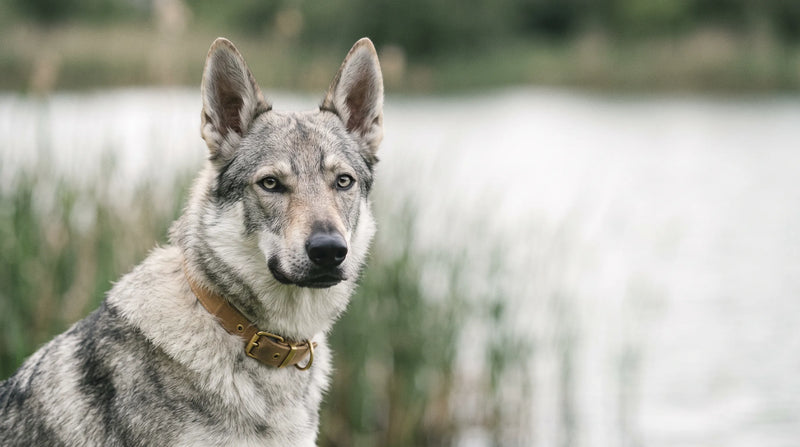
Pituitary Dwarfism in Dogs

Category
Hormonal
Breeds documented
2
Published sources
2

Overview

Poor development of the pituitary gland can leave a puppy short of growth hormone and other hormones that control growth and body functions. Affected puppies grow slowly but usually keep normal body proportions. Other hormone shortages may affect the thyroid gland and reproductive development. The coat may remain soft and puppy-like before hair loss develops, and associated hormone problems can shorten life.

Signs to watch for

  • Growing more slowly than littermates
  • Keeping a soft puppy coat
  • Hair loss on both sides of the body
  • Adult teeth coming through late or not appearing
  • An unusually high-pitched bark

Puppies often look normal at first; slower growth becomes apparent after about 2 months.

When to get help Book a vet visit if a puppy's growth falls behind or its coat does not mature.

Diagnosis and tests

Diagnosis combines a growth assessment with tests for hormone shortages. A blood test for insulin-like growth factor 1, a marker of growth hormone activity, can support the diagnosis. The vet may also use X-rays to check bone development and tests of thyroid and adrenal function. DNA testing can identify the known LHX3-related form in relevant breeds.

Breeds with documented risk

2 breeds

By breed size
  • 2 Medium

Inheritance

  • Autosomal recessive

    Czechoslovakian Wolfdog, German Shepherd Dog, Saarloos Wolfhond, Tibetan Terrier, White Swiss Shepherd Dog

    A dog is affected only if it inherits two copies of the gene variant, one from each parent. A dog with one copy is a carrier: usually healthy, but able to pass the variant on. When two carriers are bred, on average one puppy in four is affected. A DNA test can tell clear, carrier and at-risk dogs apart.

    As stated by OMIA

  • Autosomal recessive

    Karelian Bear Dog

    As stated by OMIA

We've gathered what published sources say about this condition, so you can talk it through with your vet. It isn't veterinary advice: you and your vet know your dog best.

Sources

  1. merckvetmanual.com
  2. Czechoslovakian Wolfdog: onlinelibrary.wiley.com