Pulmonary Edema in Dogs

Breeds documented
2
Published sources
6

Overview

When fluid accumulates in lung tissue and air sacs, breathing can become difficult. The problem is called pulmonary edema, and the fluid can interfere with oxygen moving into the blood. Heart disease is one cause, but lung injury, blocked airways, and other problems can also lead to it. An affected dog may breathe rapidly and resist lying down.

Signs to watch for

  • Fast breathing
  • Working harder to breathe
  • Breathing with the mouth open
  • Sitting or standing instead of lying down

Heart-related cases tend to affect middle-aged or older dogs; other forms can occur at any age.

Emergency Go to an emergency vet now if your dog has labored breathing.

Diagnosis and tests
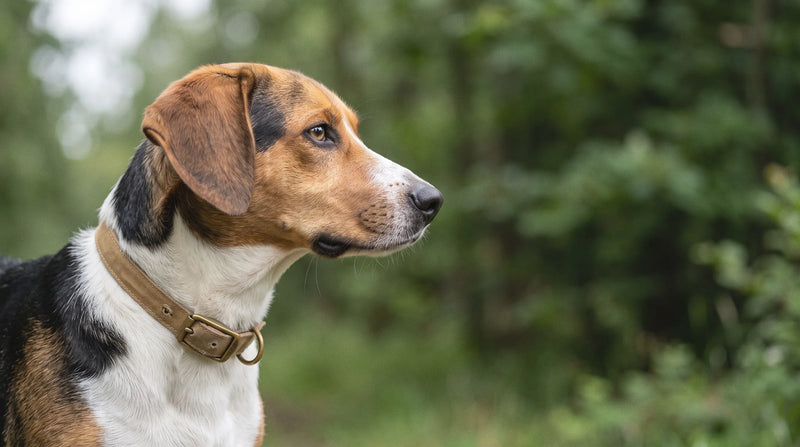
Vets first assess breathing and stabilize a dog in severe distress before stressful testing. Once it is safe, chest X-rays and ultrasound can help distinguish fluid buildup caused by heart disease from other lung problems. The examination and recent medical history also guide the search for the cause.

Breeds with documented risk

2 breeds

By breed size
  • 2 Medium

Inheritance

  • Not yet known

    None of the sources we use states how this is inherited in dogs yet.

We've gathered what published sources say about this condition, so you can talk it through with your vet. It isn't veterinary advice: you and your vet know your dog best.

Sources

  1. merckvetmanual.com
  2. pmc.ncbi.nlm.nih.gov
  3. vet.cornell.edu
  4. ebi.ac.uk
  5. Drever: skk.se
  6. Swedish Elkhound (jämthund): skk.se