

Azawakh
- Large
- Hound Group
- Popularity rank 195
A lean African sighthound bred to course gazelle across the Sahara, the Azawakh is a swift, elegant hound with a short, fine coat. Independent and loyal, it bonds deeply with its people and stays reserved with strangers.
- Height
- 23.5 to 29
- inches at the shoulder
- Weight
- 33 to 55
- pounds, adult
- Life expectancy
- 12 to 15
- years, median 13.5
- Senior from
- 10.1
- years, about
Senior starts in the last quarter of a breed's expected lifespan, following the 2019 AAHA canine life stage guidelines. Individual dogs vary.
About the breed
- Temperament
- Independent, loyal, deeply affectionate
- Coat
- Smooth, short
- Origin
- Mali and Niger
- Recognized
- 2019
2019: rank 192, 2020: rank 193, 2021: rank 185, 2022: rank 194, 2023: rank 196, 2024: rank 192, 2025: rank 195
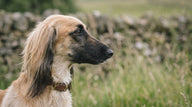
The Azawakh (pronounced oz-a-wok) is an ancient hunting hound from the Sahel region of sub-Saharan Africa, where tribes in Mali, Niger, and Burkina Faso kept it as a hunter and guardian. It is so lean and rangy that the bone structure and muscle show beneath the skin, with smooth S-shaped contours, a deep chest, and an aerodynamic head that mark it as a sighthound.
This is a large dog, standing 23.5 to 29 inches at the shoulder and weighing 33 to 55 pounds. The breed must be lean to thrive in desert heat, and some visibility of the ribs is normal and correct rather than a sign of poor condition. The ultrafine coat comes in several colors and patterns.
This is a tough, durable hound that has coursed prey across the sands for more than a thousand years, relying on keen vision and speed.
In temperament the Azawakh is independent, loyal, and deeply affectionate with its own people. It is perceptive and sensitive, reserved by nature, and energetic without being overly excitable. Given enough exercise and mental work, it settles easily indoors.
Temperament and needs
Scored 1 to 5 for the breed overall. Individual dogs vary.
- Affectionate with family3 out of 5
- Good with young children3 out of 5
- Good with other dogs3 out of 5
- Openness to strangers1 out of 5
- Playfulness3 out of 5
- Watchdog and protective nature3 out of 5
- Adaptability3 out of 5
- Trainability2 out of 5
- Energy level3 out of 5
- Mental stimulation needs3 out of 5
- Barking level1 out of 5
- Shedding2 out of 5
- Grooming frequency2 out of 5
- Drooling1 out of 5
Care
The routines that matter most for this breed. Open one at a time.
Nutrition
The Azawakh does well on a high-quality dog food, whether commercially made or home-prepared with your veterinarian's supervision and approval. Match the food to the dog's life stage (puppy, adult, or senior), and keep clean, fresh water available at all times.
Most full-grown Azawakhs do well on two meals a day, fed at regular times in the morning and evening. Puppies can eat smaller, more frequent meals to support their growth. As a basic guideline, follow the feeding instructions on your chosen food's packaging.
Some dogs gain weight as they age, so watch calorie intake and reduce portions if needed. Treats help with training, but too many can lead to obesity, and it helps to know which human foods are safe for dogs and which are not. Remember that in this breed, the outline of the ribs and hip bones showing through the coat is normal and not a sign of being underfed, so do not overfeed to cover them. Your vet can tell you what a healthy weight looks like for your dog.
When you feed a nutritionally complete formula, you likely will not need supplements. If your dog needs specific nutritional support, ask your veterinarian for recommendations.
Grooming
The short, fine coat needs little upkeep. A weekly once-over with a soft bristle brush, a rubber grooming mitt, or a hound glove keeps it in good condition and removes loose fur. Brushing distributes natural oils and removes dead skin cells, and matting is not a concern with a coat this short.
Bathing is rarely needed. Azawakhs do not carry a doggy odor, and even after a muddy outing you can often let the mud dry and brush it away rather than bathe the dog.
The folded, triangular ears droop against the head and need frequent cleaning, since wax and debris can build up in the canal. Use a vet-recommended ear cleaner and watch for any signs of infection. Some Azawakhs have very thin ears prone to splitting, so ask your vet for guidance if that happens.
Trim the nails regularly, as overly long nails are uncomfortable and can affect the dog's gait, and brush the teeth as part of the routine. Keep an eye on eye health too: redness, discharge, or cloudiness can signal a problem, so contact your vet right away if you notice these signs.
Exercise
The Azawakh is an active dog that needs daily exercise to stay healthy in mind and body. Adults can make good running companions, and failing that, a daily half-hour play session in a well-fenced field, park, or yard keeps the hound content.
An Azawakh left alone in a yard will not exercise itself. It gets the activity it needs in the company of its owner or another dog, so be intentional about keeping it moving.
Despite the energy, these are quiet, low-key dogs indoors. Like other sighthounds, they have a natural off switch and settle easily once their needs are met, and you will not often hear them bark.
Always keep your Azawakh on a leash or within a fenced yard outdoors, since this sprinter will chase anything that catches its eye. Azawakhs generally coexist peacefully with other dogs, but the sighthound instinct can lead them to chase small household pets such as cats, so introduce a cat slowly and carefully.
Training
The Azawakh is highly intelligent and fiercely independent, so start training and socialization early. Puppy classes with a trainer who uses a positive, reward-based approach work well, paired with gentle but firm corrections.
This breed carries a great deal of dignity and does not respond to harsh, punishment-based methods, which can produce a hound that is either broken in spirit or unmanageable. Azawakhs are smart but can be stubborn and territorial, which is one more reason to begin young.
The personality reflects the breed's history as a camp guardian and hunting dog: attentive, reserved, slow to warm up to strangers, and tightly bonded to its people. It is quick to notice anything strange or out of place, though it should never be overly fearful or timid. A well-socialized Azawakh tends to do fine with children who understand proper boundaries, and with other dogs.
These dogs thrive on a job and on a partnership built on trust and consistency. An Azawakh can be very loyal and obedient, yet it is always on alert, so how well it responds to a cue may depend on what is happening nearby. Nearby commotion such as construction or wildlife can make a watchful Azawakh hesitant to comply, so practice patience, consistency, and positive reinforcement. This breed suits an experienced, adaptable owner.
Health conditions
2 conditions are documented for the Azawakh.
A predisposition is not a diagnosis. Ask your vet which screenings make sense for your dog's age.
- HypothyroidismHormonal
- Masticatory Muscle MyositisMuscle

Sources
Thank you. Your report is in, and we will check this page.
Longevity & Vitality soft chew
Longevity & Vitality is a daily chew built on five active ingredients. Each chew carries Turkey Tail at 600mg, Curcuvet® curcumin at 75mg, Quercefit® quercetin at 40mg, Fibalance® at 275mg and EpiCor® at 50mg. The daily serving follows your dog's weight, from half a chew to three.
