

Harrier
- Medium
- Hound Group
- Popularity rank 199
The Harrier is a working pack hound, like a Beagle built for a long day in the field. Friendly, outgoing, and people-oriented, this medium scenthound brings stamina and a sweet face to an active home.
- Height
- 19 to 21
- inches at the shoulder
- Weight
- 45 to 60
- pounds, adult
- Life expectancy
- 12 to 15
- years, median 13.5
- Senior from
- 10.1
- years, about
Senior starts in the last quarter of a breed's expected lifespan, following the 2019 AAHA canine life stage guidelines. Individual dogs vary.
About the breed
- Temperament
- Friendly, outgoing, people-oriented
- Coat
- Double, short
- Origin
- United Kingdom
- Recognized
- 1885
2015: rank 183, 2016: rank 186, 2017: rank 183, 2018: rank 189, 2019: rank 188, 2020: rank 190, 2021: rank 188, 2022: rank 193, 2023: rank 190, 2024: rank 183, 2025: rank 199
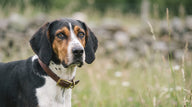
The Harrier is a medium pack hound from the United Kingdom, recognized as a breed in 1885 and a member of the Hound Group. Picture a Beagle with a gym membership: larger and stronger than that smaller cousin, yet smaller than the English Foxhound used in its development.
It stands 19 to 21 inches at the shoulder and weighs 45 to 60 pounds, carrying the timeless look of a working hound. The short, smart coat, low-set velvety ears, and sweet face sit on a body with enough muscle and sinew to last a long day's hunt. A well-built Harrier covers the ground with a smooth, efficient gait.
Friendly, outgoing, and people-oriented, the Harrier is a sociable companion that thrives on time with its family. With a typical lifespan of 12 to 15 years, it pairs an active outlook with an easygoing, affable nature.
Temperament and needs
Scored 1 to 5 for the breed overall. Individual dogs vary.
- Affectionate with family5 out of 5
- Good with young children5 out of 5
- Good with other dogs5 out of 5
- Openness to strangers4 out of 5
- Playfulness4 out of 5
- Watchdog and protective nature3 out of 5
- Adaptability4 out of 5
- Trainability4 out of 5
- Energy level4 out of 5
- Mental stimulation needs4 out of 5
- Barking level5 out of 5
- Shedding3 out of 5
- Grooming frequency1 out of 5
- Drooling2 out of 5
Care
The routines that matter most for this breed. Open one at a time.
Nutrition
Feed your Harrier a high-quality dog food matched to its life stage, whether puppy, adult, or senior, and to its activity level. The diet should also suit the dog's size and any health concerns your vet has flagged.
This breed loves its food and will happily beg for more, so keep an eye on portions. Monitor how much your Harrier eats and adjust meals and treats as needed to support a healthy weight.
Give table scraps sparingly, if at all, and avoid cooked bones and foods high in fat. Learn which human foods are safe for dogs and which are not. Your veterinarian can help you set the right nutrition and feeding guidelines, and is the person to check with about any weight or diet concerns.
Grooming
The Harrier's short, glossy double coat asks for little maintenance. A weekly brushing with a soft-bristle brush or a hound glove removes dirt and loose hair and keeps the coat in good shape. An occasional bath with a gentle shampoo helps keep a doggy odor away.
Inspect the ears regularly and clean them when needed with soft gauze and an ear-cleaning solution; your veterinarian can recommend a suitable product. Trim the nails often if they do not wear down naturally, since overly long nails cause discomfort and make walking and running harder.
Brush the teeth, trim the nails, and clean the ears regularly.
Exercise
Harriers were bred to spend hours in the field chasing prey, so they need plenty of exercise every day. Without it, a Harrier can grow bored and destructive. Give it the activity it needs and it adapts to a range of home situations, happiest living indoors with its family and glad to join long walks and hikes.
This breed was built to hunt, chase, and follow a scent, and the nose always wins. Keep off-leash time to securely fenced areas and walks on a leash, because a Harrier on a trail will follow that scent.
Mind and body both stay sharp through canine sports such as tracking, rally, and coursing ability tests. Their hunting background makes them strong at tracking and coursing, and these are activities that dog and owner can share.
Training
Like many hounds, Harriers are loving and amiable, with an independent streak and a stubborn side. They respond well to calm, loving, firm leadership, and reward-based methods help too. Training takes consistency, patience, and an understanding of scent-hound temperament.
Early socialization and puppy classes help a Harrier grow into a well-adjusted, well-mannered companion. This is a friendly, outgoing, people-oriented breed that enjoys being part of family life.
Health conditions
1 condition is documented for the Harrier.
A predisposition is not a diagnosis. Ask your vet which screenings make sense for your dog's age.
- HypocatalasiaOral & Dental

Sources
Thank you. Your report is in, and we will check this page.
Longevity & Vitality soft chew
Longevity & Vitality is a daily chew built on five active ingredients. Each chew carries Turkey Tail at 600mg, Curcuvet® curcumin at 75mg, Quercefit® quercetin at 40mg, Fibalance® at 275mg and EpiCor® at 50mg. The daily serving follows your dog's weight, from half a chew to three.
