

Ibizan Hound
- Large
- Hound Group
- Popularity rank 174
The Ibizan Hound is a lithe, leggy sighthound from Spain's Balearic Islands, with large erect ears and a quiet, deer-like grace. Even-tempered and family-oriented, this rare hunter is a polite, athletic companion for active homes.
- Height
- 22.5 to 27.5
- inches at the shoulder
- Weight
- 45 to 50
- pounds, adult
- Life expectancy
- 11 to 14
- years, median 12.5
- Senior from
- 9.4
- years, about
Senior starts in the last quarter of a breed's expected lifespan, following the 2019 AAHA canine life stage guidelines. Individual dogs vary.
About the breed
- Temperament
- Family-oriented, even-tempered, polite
- Coat
- Smooth, Wiry, short
- Origin
- Spain
- Recognized
- 1978
2015: rank 160, 2016: rank 152, 2017: rank 165, 2018: rank 152, 2019: rank 173, 2020: rank 171, 2021: rank 182, 2022: rank 172, 2023: rank 166, 2024: rank 174, 2025: rank 174
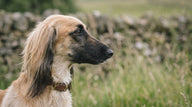
The Ibizan Hound is a lithe, leggy sighthound with an ancient history. The elongated head and large erect ears echo the slender hunting dogs depicted in ancient Egyptian art, and the quiet, racy grace is often described as deer-like.
The breed takes its name from Ibiza, one of Spain's Balearic Islands, where it earned its keep as a rabbit-hunting companion. Its slight, fine-boned build and long legs let it cover hilly terrain in search of small game. Recognized in 1978, these elegant hounds remain rare today.
A full-grown Ibizan Hound stands 22.5 to 27.5 inches at the shoulder and weighs 45 to 50 pounds, with a muscular, fine-boned frame. The short coat comes in red, white, or a combination of the two, and can be smooth or wiry. Rosy leathers on the nose, eye rims, and lips, paired with amber eyes, complete the look.
Even-tempered and polite, the Ibizan Hound is reserved around strangers but warm with close companions, and it keeps a playful streak. With the right outlets for its energy, it makes a steady, family-oriented friend.
Temperament and needs
Scored 1 to 5 for the breed overall. Individual dogs vary.
- Affectionate with family5 out of 5
- Good with young children3 out of 5
- Good with other dogs5 out of 5
- Openness to strangers3 out of 5
- Playfulness4 out of 5
- Watchdog and protective nature3 out of 5
- Adaptability4 out of 5
- Trainability3 out of 5
- Energy level5 out of 5
- Mental stimulation needs5 out of 5
- Barking level3 out of 5
- Shedding2 out of 5
- Grooming frequency1 out of 5
- Drooling1 out of 5
Care
The routines that matter most for this breed. Open one at a time.
Nutrition
Feed the Ibizan Hound a high-quality dog food matched to its life stage, whether puppy, adult, or senior, and whether commercially made or home-prepared with your veterinarian's supervision. Check with your vet if you have questions about your dog's weight or diet.
Most adult dogs do well on two meals a day, fed morning and evening. Puppies can take smaller, more frequent meals to support their growth. Monitor how much food and how many treats you give, since some dogs gain weight as they age, and ask your vet for portion guidance based on age, activity level, and overall health.
Hip dysplasia can be a concern for the breed, so you might support your dog's diet with a joint-health supplement. Common ingredients to look for include omega fatty acids, glucosamine, MSM, and chondroitin. Consult your veterinarian for suggestions specific to your dog, and never start a supplement without their guidance.
Grooming
The Ibizan Hound's short coat comes in smooth and wiry varieties, with a wide range in how heavy the wiry coat can be. Brush either variety weekly. The short coat resists tangling, but weekly brushing distributes natural oils for a healthy sheen and removes loose hair before it reaches your furniture and clothes. Bathe on a fairly regular schedule, and as needed for odor or dirt.
The erect, pointy ears are one of the breed's most distinctive features. No special care is required, but check inside the ear weekly and clear any buildup of wax and debris. Ask your vet how often to clean your dog's ears and which products to use.
The nails grow very fast, so an electric trimmer helps keep them in check. Brush the teeth often, daily if possible, with a toothpaste made for dogs, alongside regular professional cleanings.
The breed has no particular skin care needs, but inspect the eyes regularly. Any notable redness, discharge, or cloudiness can signal a developing problem, so contact your vet right away if these symptoms appear.
Exercise
Ibizan Hounds are very athletic and need plenty of exercise, with a moderate to high requirement of about two hours of activity each day. They enjoy vigorous daily play with their owner or other dogs, long walks, and outdoor activities like hiking and running. With long legs and plenty of stamina, the Ibizan Hound makes a good jogging partner.
This energetic breed also needs mental engagement. Without enough exercise, it can become anxious and show unwanted behaviors such as excessive barking or destruction, so plan on regular, intense activity to keep it content.
As a sighthound, the Ibizan Hound has a strong prey drive and may take off after perceived prey at a moment's notice. It should never be off leash in an unfenced area, where smaller animals like cats, pocket pets, and squirrels can trigger the chase.
These dogs are accomplished jumpers, often clearing five or six feet from a standing position, so a secure fence at least 6 feet tall is the minimum for safe outdoor time.
Training
Versatile and trainable, the Ibizan Hound is even-tempered, affectionate, and loyal, a little aloof but sweet-natured. These dogs are alert and watchful of strangers, yet friendly once they know you, and they take well to almost all forms of training.
The breed is also an independent thinker, so consistent training with positive reinforcement works best. Reward-based methods motivate an Ibizan Hound to learn and comply, while force only erodes trust. Without appropriate training, it can become strong-willed and resistant to cues.
Early socialization and puppy classes help the Ibizan Hound grow confident with new people and learn that cats and other animals are not something to chase. With that foundation, it is a steady companion around children and other pets, and its love of play means it engages well with active kids and other dogs.
Bred to work closely with a handler and alongside other dogs, the Ibizan Hound does not prefer a solitary life. Left alone for long stretches it may develop separation anxiety, so crate training and an interactive toy while you are gone can help.
Health conditions
4 conditions are documented for the Ibizan Hound.
A predisposition is not a diagnosis. Ask your vet which screenings make sense for your dog's age.
- DeafnessEar & Hearing
- Eye ProblemsEye
- Hip DysplasiaBone & Joint
- HypothyroidismHormonal


Sources
Thank you. Your report is in, and we will check this page.
Longevity & Vitality soft chew
Longevity & Vitality is a daily chew built on five active ingredients. Each chew carries Turkey Tail at 600mg, Curcuvet® curcumin at 75mg, Quercefit® quercetin at 40mg, Fibalance® at 275mg and EpiCor® at 50mg. The daily serving follows your dog's weight, from half a chew to three.
