
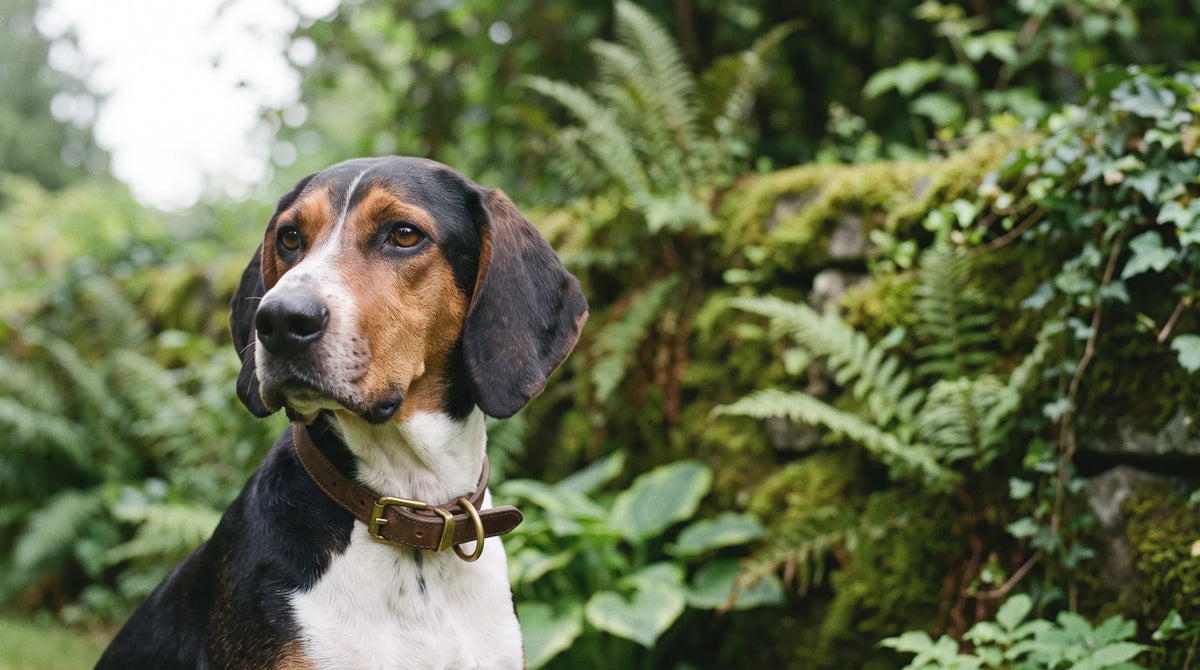
Treeing Walker Coonhound
- Large
- Hound Group
- Popularity rank 143
The Treeing Walker Coonhound is a swift, high-energy tricolored hunting hound with long legs, standing 20 to 27 inches. It needs an active household and substantial daily exercise, and it typically lives 12 to 13 years.
- Height
- 20 to 27
- inches at the shoulder
- Weight
- 50 to 70
- pounds, adult
- Life expectancy
- 12 to 13
- years, median 12.5
- Senior from
- 9.4
- years, about
Senior starts in the last quarter of a breed's expected lifespan, following the 2019 AAHA canine life stage guidelines. Individual dogs vary.
About the breed
- Temperament
- Smart, brave, courteous
- Coat
- Smooth, short
- Origin
- United States
- Recognized
- 2012
2015: rank 117, 2016: rank 137, 2017: rank 131, 2018: rank 137, 2019: rank 131, 2020: rank 153, 2021: rank 151, 2022: rank 159, 2023: rank 155, 2024: rank 152, 2025: rank 143
The Treeing Walker Coonhound is a large hound from the United States, recognized by the registry in 2012 and nicknamed the People's Choice. It is a swift, tricolored dog built for the chase, with long, muscular legs, propulsive hindquarters, and a streamlined frame that covers ground with little wasted effort.
Males and females stand 20 to 27 inches at the shoulder and weigh 50 to 70 pounds, with a typical lifespan of 12 to 13 years. The coat is short and smooth, and the expression appears pleading.
These smart, brave, courteous working hounds were bred to track and tree raccoons. They are people-oriented companions that settle with family after exercise.
Temperament and needs
Scored 1 to 5 for the breed overall. Individual dogs vary.
- Affectionate with family5 out of 5
- Good with young children5 out of 5
- Good with other dogs5 out of 5
- Openness to strangers3 out of 5
- Playfulness4 out of 5
- Watchdog and protective nature3 out of 5
- Adaptability4 out of 5
- Trainability5 out of 5
- Energy level5 out of 5
- Mental stimulation needs5 out of 5
- Barking level4 out of 5
- Shedding3 out of 5
- Grooming frequency1 out of 5
- Drooling3 out of 5
Care
The routines that matter most for this breed. Open one at a time.
Nutrition
The Treeing Walker Coonhound does well on a high-quality dog food, whether commercially made or home-prepared with your veterinarian's supervision. Match the diet to the dog's life stage, whether puppy, adult, or senior, and keep clean, fresh water available at all times.
Most adults manage two to three well-portioned meals a day, while puppies need more frequent feeding, about three or four. The right amount depends on the brand and type of food, so discuss your dog's ideal calorie intake with your vet and monitor weight and body condition. A hound that isn't working can put on pounds, so watch the calories.
Treats help with training, but too many lead to extra weight, so account for treats, dental chews, and training snacks in the daily total. A puzzle feeder suits these intelligent dogs and keeps boredom at bay.
A well-balanced maintenance diet covers a coonhound's needs. Very active dogs may benefit from joint support and omega-3 fatty acid supplementation; your veterinarian can help you decide whether any products would suit your dog.
Grooming
The Treeing Walker is a low-maintenance breed. The short, smooth coat repels dirt and mud and needs only the occasional bath to stay handsome. Wiping it down with a damp towel or a hound glove keeps the coat shining, and weekly brushing removes loose hair. These coonhounds are moderate shedders.
Bathe monthly, and whenever it gets dirty, with a shampoo made for dogs. Trim the nails every couple of weeks, since long nails cause discomfort and structural problems. Like all dogs, it needs regular dental care, including at-home brushing and professional cleanings.
Treeing Walkers have long, floppy ears and are more prone to ear infections than many other dogs. Inspect the ears often and clean them at least once a week with an appropriate ear cleaner. If your hound keeps developing ear infections despite routine cleanings, talk to your vet about possible allergies.
The breed has no unique skin or eye care needs. Contact your veterinarian if you notice skin changes, or eye changes such as cloudiness, redness, or discharge. Use grooming sessions for calm, routine handling.
Exercise
Like most coonhounds, the Treeing Walker is high-energy and loves a good, long run, which makes it a strong choice for anyone who wants a running or hiking companion. Tracking raccoons through the woods takes endurance and athleticism, so these dogs need plenty of exercise. Daily hour-long walks are a bare minimum, with running or hiking several times a week on top.
Romps in the backyard, chasing a ball, or playing with friends keep it both mentally and physically healthy. Field trials are a good way to stimulate its desire to hunt and track, even if you aren't a hunter yourself.
The Treeing Walker has a very high prey drive, so keep it on a leash for walks and hikes; it may be unable to resist pursuing an interesting scent. Coonhounds are also prized for their howling bark, or bay, which once told the hunter they had cornered their quarry.
Even when well-trained, these dogs are very vocal and not well-suited to close neighbors, so an apartment complex may not be the right fit. Bred mainly as working dogs, Treeing Walkers still make fine companions for families with the time and space to meet their needs.
Training
The Treeing Walker Coonhound is intelligent and eager to learn but also independent and sometimes stubborn. Keep lessons engaging and reward desired behavior with treats and praise.
Early training and socialization matter for every dog, and the Treeing Walker responds well to positive reinforcement. Begin socializing your puppy early, at 8 to 10 weeks, so it develops confidence in new situations. These hounds are slow to mature, and the high-energy puppy stage may last until they are 2 years old or longer, so their exuberance calls for extra patience.
Generally even-tempered and people-oriented, Treeing Walkers are known to be good with children and other dogs, especially when well-socialized and introduced properly. Because of their long history as hunting dogs, introduce them carefully to cats and other small animals, since their prey drive means they may see smaller creatures as something to chase.
Health conditions
4 conditions are documented for the Treeing Walker Coonhound.
A predisposition is not a diagnosis. Ask your vet which screenings make sense for your dog's age.
- Ear InfectionsEar & Hearing
- Hip DysplasiaBone & Joint
- HypocatalasiaOral & Dental
- HypothyroidismHormonal

Sources
- American Kennel Club: Treeing Walker Coonhound
- PetMD: Treeing Walker Coonhound
- Wisdom Panel: Treeing Walker Coonhound
Thank you. Your report is in, and we will check this page.
Longevity & Vitality soft chew
Longevity & Vitality is a daily chew built on five active ingredients. Each chew carries Turkey Tail at 600mg, Curcuvet® curcumin at 75mg, Quercefit® quercetin at 40mg, Fibalance® at 275mg and EpiCor® at 50mg. The daily serving follows your dog's weight, from half a chew to three.
