
Noise aversion (noise sensitivity; noise phobia when clinically diagnosed) in Dogs
- Category
- Nervous System & Behavioral
- Breeds documented
- 11
- Published sources
- 7
Overview
Signs to watch for
When to get help Book a veterinary visit soon when noises cause marked distress or reactions are getting worse.
Diagnosis and tests
Breeds with documented risk
11 breeds
- 1 Toy
- 4 Small
- 6 Medium
Most popular breeds on this list


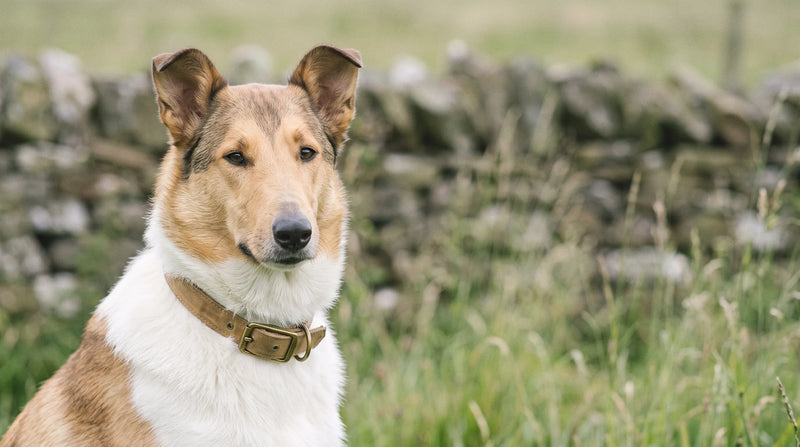

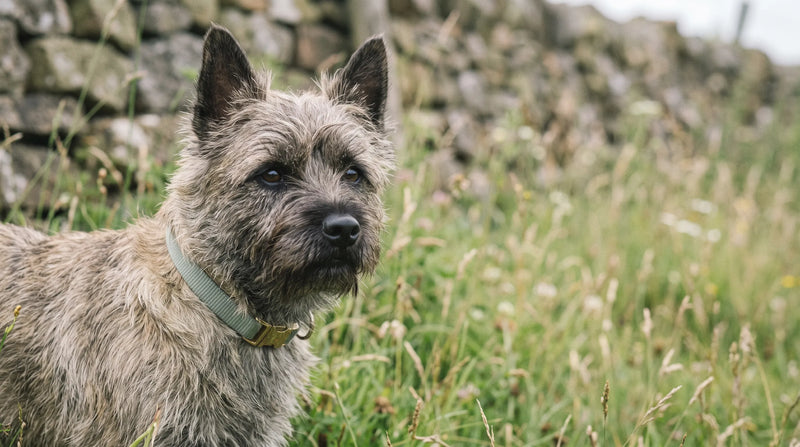

All 11 breeds, A to Z
-
Cairn Terrier
Sources nmbu.brage.unit.no nature.com -
Collie
Sources nmbu.brage.unit.no nature.com
-
Miniature Poodle
Source orbit.dtu.dk
-
Pembroke Welsh Corgi
Source nature.com
-
Shiba Inu
Source nmbu.brage.unit.no -
Soft Coated Wheaten Terrier
Sources nmbu.brage.unit.no nature.com -
Standard Poodle
Source orbit.dtu.dk
-
Toy Poodle
Source orbit.dtu.dk
Inheritance
-
Not yet known
None of the sources we use states how this is inherited in dogs yet.
We've gathered what published sources say about this condition, so you can talk it through with your vet. It isn't veterinary advice: you and your vet know your dog best.
Sources
- merckvetmanual.com
- ebi.ac.uk
- pmc.ncbi.nlm.nih.gov
- Cairn Terrier: nmbu.brage.unit.no
- Cairn Terrier: nature.com
- Miniature Poodle: orbit.dtu.dk
- Soft Coated Wheaten Terrier: nature.com
Thank you. Your report is in, and we will check this page.