
Transitional Vertebra in Dogs
- Category
- Bone & Joint
- Breeds documented
- 10
- Published sources
- 8
Overview
Signs to watch for
Emergency Go to an emergency vet now if your dog develops difficulty walking.
Diagnosis and tests
Breeds with documented risk
10 breeds
- 5 Medium
- 4 Large
- 1 Giant
Most popular breeds on this list


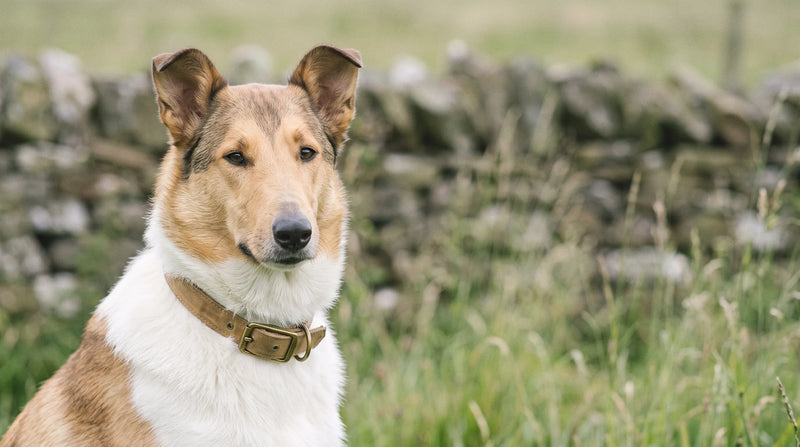


All 10 breeds, A to Z
-
Boxer
Source researchgate.net -
Brittany
Source researchgate.net
-
Collie
Source researchgate.net
-
Eurasier
Source researchgate.net
-
Slovak Cuvac
Source bin.yhdistysavain.fi
-
Yakutian Laika
Source jakutianlaika.fi
Inheritance
-
Not yet known
None of the sources we use states how this is inherited in dogs yet.
We've gathered what published sources say about this condition, so you can talk it through with your vet. It isn't veterinary advice: you and your vet know your dog best.
Sources
- kennelliitto.fi
- merckvetmanual.com
- merckvetmanual.com
- merckvetmanual.com
- Boxer: researchgate.net
- German Shepherd: pubmed.ncbi.nlm.nih.gov
- Slovak Cuvac: bin.yhdistysavain.fi
- Yakutian Laika: jakutianlaika.fi
Thank you. Your report is in, and we will check this page.