
Seizures and Epilepsy in Dogs
- Category
- Nervous System & Behavioral
- Inheritance
- Multifactorial
- Breeds documented
- 28
- Published sources
- 27
Overview
Signs to watch for
When to get help Contact a vet promptly after a seizure; go to an emergency vet immediately for a seizure lasting more than five minutes or two or more seizures within 24 hours.
Diagnosis and tests
Breeds with documented risk
28 breeds
- 1 Toy
- 4 Small
- 20 Medium
- 3 Large
Most popular breeds on this list



All 28 breeds, A to Z
-
Barbet
Source jalostus.kennelliitto.fi -
Basset Artésien Normand
Source skk.se -
Brittany
Source jalostus.kennelliitto.fi
-
Drever
Source uusi.dreeveri.fi
-
Giant Schnoodle
Source petmd.com -
Gotlandsstövare
Source skk.se
-
Hamiltonstovare
Source skk.se
-
Lapponian Herder
Source kennelliitto.fi
-
Maltipoo
Source petmd.com -
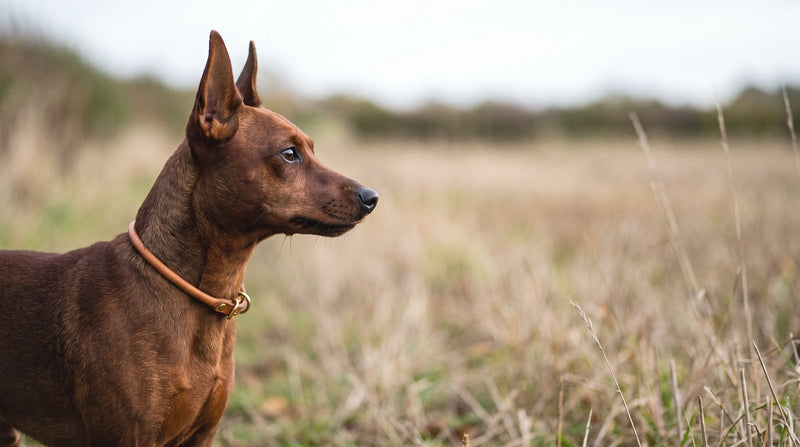
Miniature Pinscher
Source jalostus.kennelliitto.fi -
Miniature Schnoodle
Source petmd.com
-
Nederlandse Kooikerhondje
Source kooikerhondje.nl -
Norrbottenspets
Source skk.se
-
Polish Hunting Dog
Source skk.se -
Portuguese Podengo Grande
Source podengo.net -
Portuguese Podengo Medio
Source podengo.net -
Portuguese Podengo Pequeno
Source podengo.net -
Portuguese Sheepdog
Source csac.ch
-
Russian Hound
Source ajokoirajarjesto.fi
-
Small Munsterlander
Source kleine-muensterlaender.org -
Spinone Italiano
Source ebi.ac.uk -
Stabyhoun
Source nvsw.nl -
Standard Schnoodle
Source petmd.com -
Swedish Elkhound (jämthund)
Source skk.se -
Swedish Lapphund
Source skk.se -
Swiss Hound
Source skk.se
Inheritance
Multifactorial
Several genes and the environment together set the risk. Diet, growth rate, weight and exercise can all play a part. There is no single DNA test. Screening the parents (for example hip or elbow scores) and choosing from lines with good results lowers the risk, but does not remove it.
As stated by OMIA
We've gathered what published sources say about this condition, so you can talk it through with your vet. It isn't veterinary advice: you and your vet know your dog best.
Sources
- OMIA: Epilepsy: omia.org
- Cornell Riney Canine Health Center: Idiopathic epilepsy in dogs: vet.cornell.edu
- msdvetmanual.com
- Barbet: jalostus.kennelliitto.fi
- Basset Artésien Normand: skk.se
- Brittany: jalostus.kennelliitto.fi
- Drever: uusi.dreeveri.fi
- Field Spaniel: jalostus.kennelliitto.fi
- Finnish Hound: ajokoirajarjesto.fi
- Giant Schnoodle: petmd.com
- Gotlandsstövare: skk.se
- Hamiltonstovare: skk.se
- Lapponian Herder: kennelliitto.fi
- Maltipoo: petmd.com
- Miniature Pinscher: jalostus.kennelliitto.fi
- Nederlandse Kooikerhondje: kooikerhondje.nl
- Norrbottenspets: skk.se
- Polish Hunting Dog: skk.se
- Portuguese Podengo Grande: podengo.net
- Portuguese Sheepdog: csac.ch
- Russian Hound: ajokoirajarjesto.fi
- Small Munsterlander: kleine-muensterlaender.org
- Spinone Italiano: ebi.ac.uk
- Stabyhoun: nvsw.nl
- Swedish Elkhound (jämthund): skk.se
- Swedish Lapphund: skk.se
- Swiss Hound: skk.se
Thank you. Your report is in, and we will check this page.